Source:Best Coffee > News Author:qjroot Published:2026-09-16 14:40:10
After waking in the morning, the body's nervous system and endocrine system are in a stage of spontaneous arousal, and at this time it is not suitable to immediately consume strong, bitter coffee on an empty stomach. After a night of metabolism, the digestive system craves a gentler way to wake up. After eating a little warm oatmeal or whole wheat bread, starting the day's coffee tasting not only reduces direct irritation to the gastric mucosa, but also makes the senses more acute in capturing the delicate floral and fruity aromas in the coffee beans.
Understanding the release patterns of caffeine is the key to building healthy drinking habits. Arabica coffee beans grown in high-altitude regions generally have a lower natural caffeine ratio than low-altitude Robusta varieties because of their long growth cycle and lower temperatures. Reasonable light or medium roasting preserves the green beans' organic acids and sugars while also allowing caffeine to be extracted gently through a moderate extraction time, thereby helping the body maintain stable and lasting vitality in the morning.
Between 9 and 10 a.m., the body's metabolism enters a high-functioning period, making it the perfect opportunity to savor bright fruit acidity and juicy mouthfeel. At this time, it is suitable to choose a single-origin coffee with lively fruit acidity and a clean, bright texture, such as Qianjie Kenya Small Tomato. This bean has a complex aroma reminiscent of cherry tomatoes, red currants and melting yellow sugar. Its fresh acidity quickly awakens a working state, and its brisk finish will not leave a sticky, heavy feeling on the palate.
When brewing Qianjie Kenya Small Tomato, it is recommended to use a pour-over dripper to showcase its clean sweet-and-sour taste. Use 15g of coffee grounds, pour in 91°C hot water, and control the coffee-to-water ratio at 1:15 (total water volume 225ml). First pour in 30ml of water for a full 30-second bloom, then use a three-stage pour, pouring the remaining water in two steady, thin streams, with the total extraction time controlled at 2 minutes 05 seconds. When drinking this cup of coffee full of juicy texture, keep a cup of warm water nearby and alternate sips to better cleanse the palate.
After lunch, the digestive system needs an ample blood supply, and fluctuations in blood sugar concentration can easily bring on mild drowsiness. If you choose extremely dark-roasted or over-extracted coffee at this time, the heavy bitter and burnt sensation may increase the burden on the stomach. A more reasonable plan is to leave a half-hour digestion interval, then choose a bean with soft acidity and an oriental tea character or ripe-fruit sweetness. This can help the mouth cut through greasiness while also allowing the afternoon state to recover naturally.

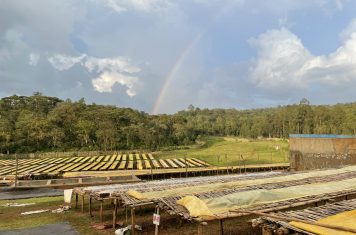
Qianjie Kafa Forest, from Ethiopia's native forests, is very well suited to the need for afternoon relaxation. This coffee bean has the warm fruit sweetness of ripe citrus and juicy apricot, and after the temperature drops slightly it reveals a clear, lingering sweetness like oolong tea. Its mouthfeel is light and delicate, with no sharp astringency and no burnt or bitter off-flavors, like drinking a cup of mellow hot tea with gentle fruit aromas.
When brewing Qianjie Kafa Forest, you can moderately lower the water temperature to emphasize the sweet tea-like character. Weigh out 15g of coffee grounds, use 89°C hot water, and maintain a coffee-to-water ratio of 1:15 (water volume 225ml). After completing a 30-second bloom with 30ml of water, use a two-stage pour: slowly circle from the center outward and pour to 130ml, pause briefly, then after the liquid level drops, steadily pour to 225ml, with the total time controlled at 1 minute 55 seconds. Pair with a few unsalted almonds or cashews; the nut oils and the coffee's tea-like character blend together to bring an especially comfortable sense of satisfaction.

Once the clock passes 3:30 p.m., the body's caffeine metabolism window gradually narrows. To ensure deep sleep quality at night, total caffeine intake should be controlled at this time. If you still want to enjoy the aromatic comfort that coffee brings, you can shorten the extraction process to reduce the release of bitter compounds in the middle and later stages, or choose a naturally processed batch with rich aromatic substances and full tropical fruit sweetness.
Qianjie Ethiopia Huakui, which showcases rich strawberry and passion fruit aromas, is very suitable at this time of day for making a mild light coffee or iced pour-over. Because its natural processing brings extremely abundant ripe berry sweetness, we can use 15g of grounds with 90°C water and brew at a 1:15 coffee-to-water ratio. First place 90g of pure ice cubes in the carafe, then use 135ml of hot water above for a 30-second bloom and a two-stage pour, with the total time controlled at 1 minute 50 seconds. After being chilled and diluted, the fruit sweetness dances lightly, refreshing without bringing extra burden on the nervous system.
A healthy and pleasant coffee life lies not in stacking up stronger concentrations in a single drink, but in arranging flavor directions in accordance with the rhythms of the body's functions. Keep daily coffee intake within the gentle range of two to three cups, and choose suitable beans and brewing parameters according to the different physiological states of morning awakening, afternoon palate cleansing and evening relaxation, so that every cup of coffee, while protecting the balance of body and mind, reveals an elegant and pure taste of terroir.
Related Reading






Comments (0)
Loading comments...
You May Be Interested



Trending Reviews
Popular Videos

With you, wherever you are! We provide useful features to help you find new things you'll love






