Source:Best Coffee > News Author:qjroot Published:2026-10-01 15:55:22
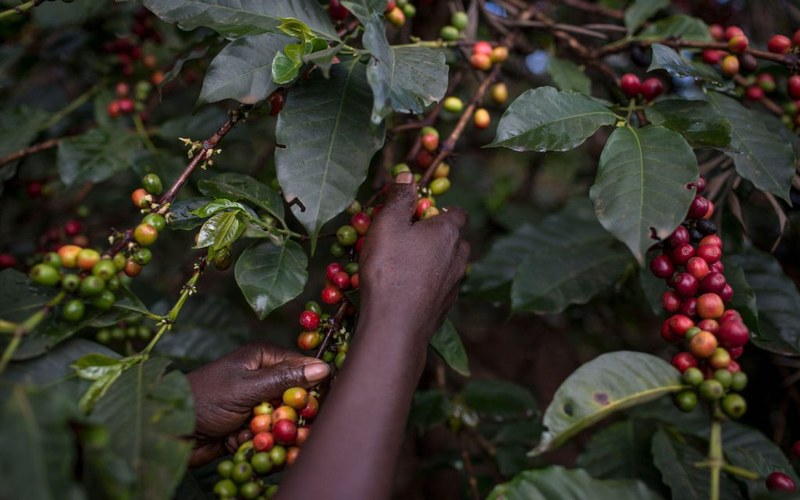
Many people are unfamiliar with Papua beans. It is actually a neighbor of Indonesia, separated only by a straight national border. But the flavor takes a completely different path: it lacks the heavy spiciness common in Indonesian beans, and instead carries floral and fruity notes with nutty sweetness, more like the character of South America. This is thanks to the genetics of Jamaican Blue Mountain Typica, combined with highland volcanic soil and spring water washed processing, making it clean and lively to drink.
When choosing Papua beans, water temperature tolerance is a key indicator. Light-roasted beans have a tight structure, with aroma compounds locked in deeply, requiring higher water temperatures to wake them up. For pour-over, 90 to 93°C is recommended; medium-dark roasted beans have already loose fibers, and too high a water temperature easily forces out bitter burnt flavors, so 88 to 90°C is more reliable. If the water temperature is too low, light roasts will be sour, astringent and green, like unripe mango; if the water temperature is too high, medium-dark roasts will be bitter and woody, like biting into the edge of burnt toast.
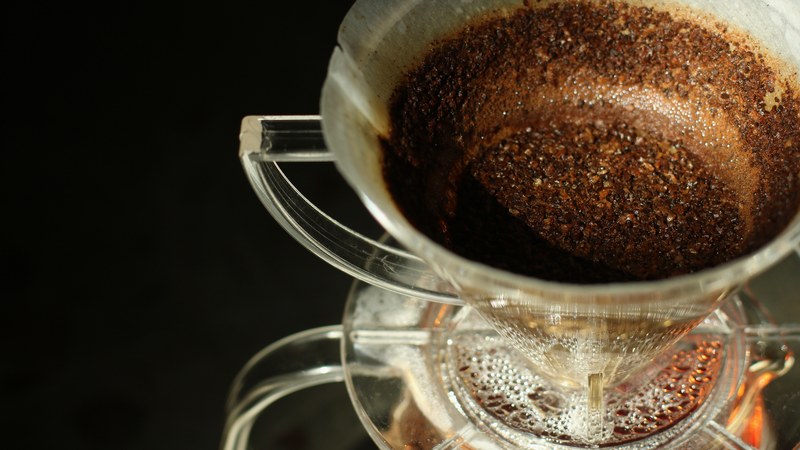
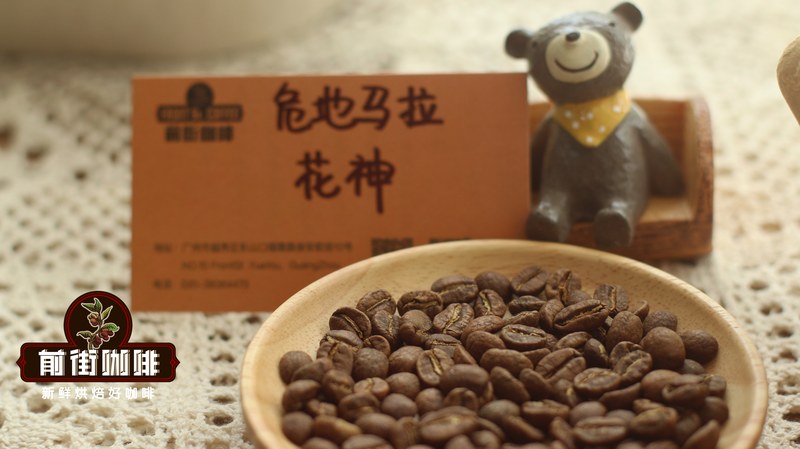
Pour-over enthusiasts can try Qianjie Paradise Bird, medium roast, with good tolerance for water temperature. 15 g of grounds, 1:15 coffee-to-water ratio, pour 30 ml of 90°C water first for a 30-second bloom, then pour in stages to 225 ml, with total time controlled at around two minutes. This produces a toasted bread sweetness mixed with nutty aroma, a tail note of mild spice sweetness, and bright but not sharp acidity.
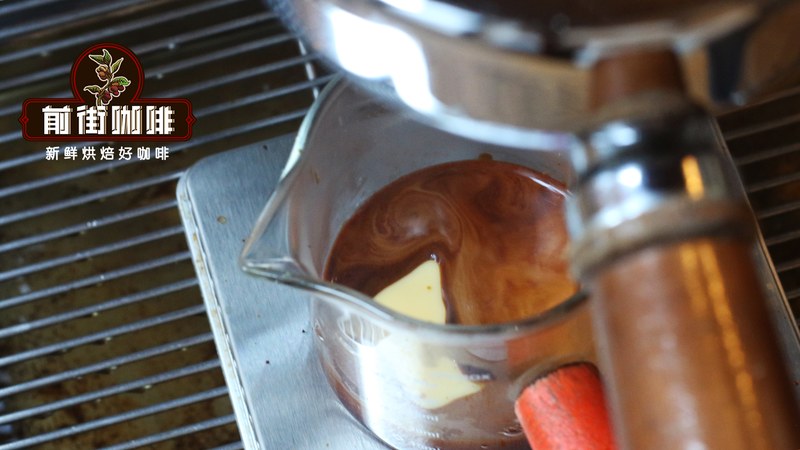
Espresso machine users usually set the water temperature between 92 and 96°C, but for Papua beans as SOE, it is recommended to go two degrees lower. Using Qianjie Paradise Bird for espresso, extract 36 to 38 g of liquid from 18 g of grounds in 25 to 28 seconds, and the crema comes out with a caramel color. Add water for an Americano, and the floral and fruity notes jump out more clearly; add milk for a latte, and the nutty sweetness and milk lactose match perfectly, like toasted almond slices falling into hot milk.
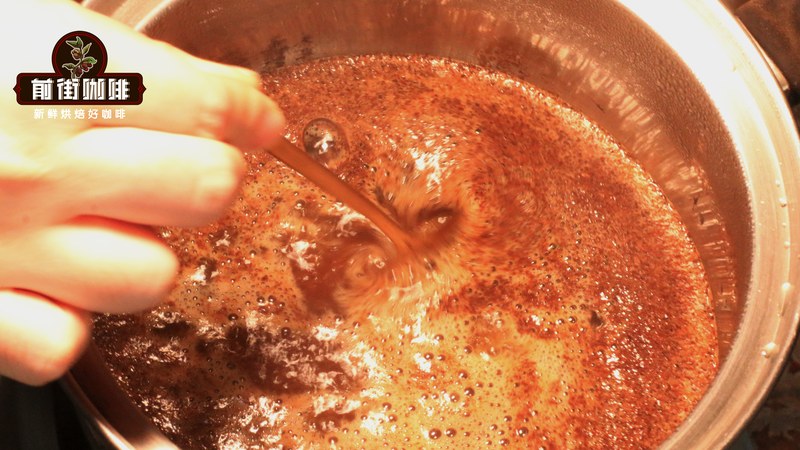
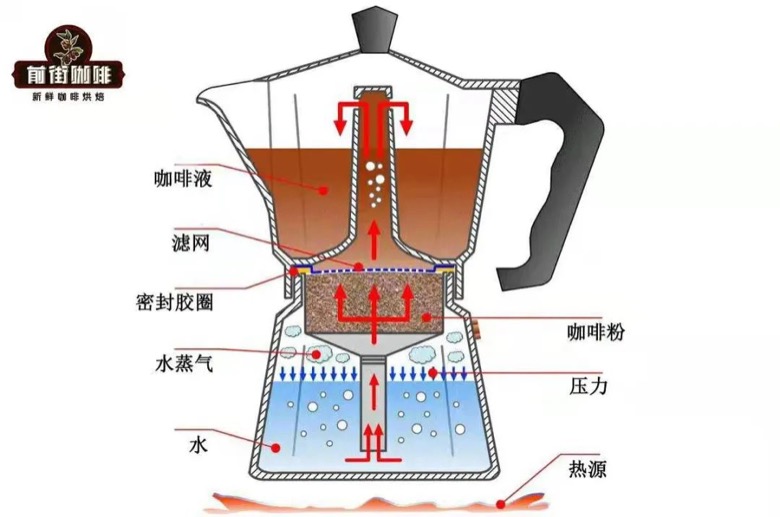
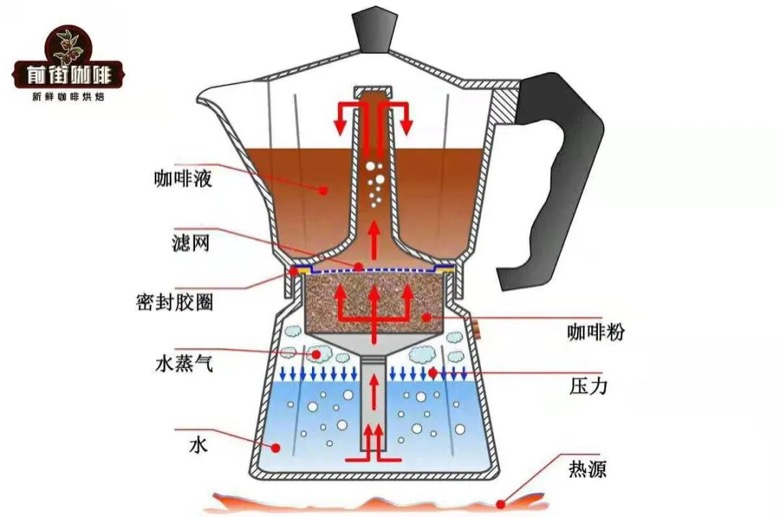
The moka pot is another approach, where water temperature control is achieved indirectly through heat. Pour 120 ml of cold water into the lower chamber, level the grounds without tamping, heat over medium-low heat, and the extraction time is between one and a half to two and a half minutes. Brewing Qianjie Paradise Bird in a moka pot yields a concentration noticeably higher than pour-over, with more concentrated nutty character, suitable for rainy days when you want a thick mouthfeel.
If you want to compare side by side, Qianjie also has two Papua beans worth trying. Qianjie Papua Typica is a more traditional light roast; at 93°C, the floral aroma and citrus acidity are especially clear. The pour-over parameters are the same as above, but the bloom can be extended to 40 seconds to let the bean core fully absorb water. This bean becomes noticeably astringent below 88°C, like the astringency of tea brewed too long, showing that it is not very tolerant of low temperatures.
The other one, Qianjie Sigri, is an estate-level medium-dark roast, and 89°C water temperature is enough to extract sufficient body. During pour-over, extend the total time to about 2 minutes 10 seconds, and the sweet aftertaste in the tail section will unfold more fully. This bean tends to develop woody bitterness above 93°C, like the smell of an old drawer, so in summer when room temperature is high, letting the pouring kettle sit off the heat for 30 more seconds is more reliable.
In the end, water temperature is the cheapest variable in brewing. No need to change equipment; adjust a number and the flavor changes. The advantage of Papua beans is their affordable price and low trial-and-error cost, making them perfect for beginners to practice water temperature sensitivity. Next time you bring in the clothes when it rains, you might as well jot down: at what temperature is this cup's floral and fruity aroma most lively. Once you understand this layer, you have one more reliable clue when choosing beans.
Related Reading

Comments (0)
Loading comments...
You May Be Interested





Trending Reviews
Popular Videos

With you, wherever you are! We provide useful features to help you find new things you'll love






