Source:Best Coffee > News Author:qjroot Published:2024-10-10 18:37:52
According to Indonesian media reports, during the BNI Investor Daily Summit held at the Jakarta Convention Center from October 8 to 9, 2024, President Joko Widodo proposed that the country is considering banning the export of unprocessed agricultural products such as coffee and cocoa.
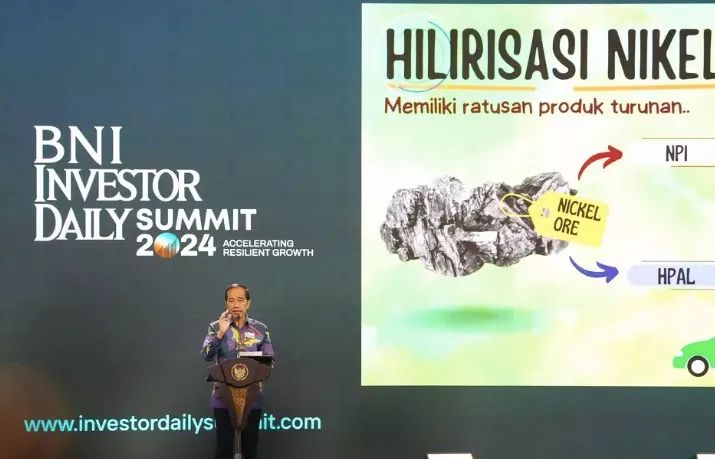
It is reported that during the summit, current Indonesian President Joko Widodo pointed out that although the global economy is currently facing challenges such as climate change, economic slowdown and geopolitical tensions, Indonesia is still performing well, with an economic growth rate of 5.08% in the second quarter of 2024. In addition, the president predicted that within the next five years, Indonesia's GDP per capita will exceed 7,000 US dollars, and within ten years it may even reach 9,000 US dollars. Therefore, in order to achieve this goal, President Joko put forward two key strategies: resource downstreaming and digitalization.
It is understood that with the downstreaming policy passed in January 2020, Indonesia officially implemented a nickel industry export ban, requiring smelting or refining locally before export, hoping thereby to attract investors to invest directly in building factories in Indonesia to process nickel ore. Although it was once opposed by the European Union and multiple countries, after implementation, the processing capacity of these mineral resources increased significantly, and the export value surged from 1.4-2 billion US dollars before the ban to 34.8 billion US dollars today.
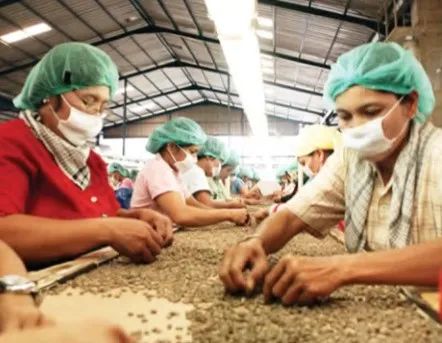
President Joko believes that this downstreaming policy is equally applicable to other industries. Therefore, the Indonesian government is currently formulating plans to localize other industries in a manner similar to nickel ore processing, including unprocessed coffee beans, cocoa, pepper and patchouli, and to extend downstreaming to the agriculture, marine and food sectors.
President Joko also stated that it is necessary to encourage labor-intensive domestic processing industries and extend resource nationalism to the agriculture, marine and food sectors, so that added value can be brought to coffee. If these plantations can be developed, revitalized and expanded, they can enter downstream industries, whether food, beverages or cosmetics, and every effort must be made to stop the export of unprocessed commodities.
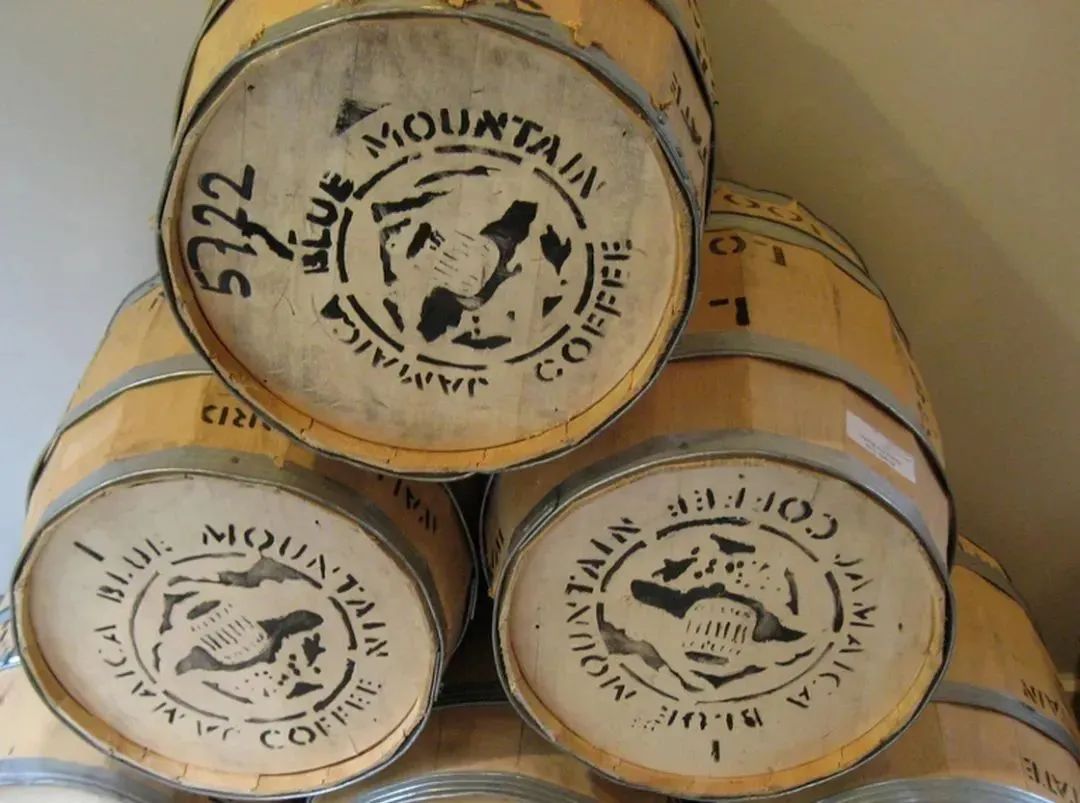
It is reported that there has already been a precedent for banning the export of unprocessed coffee, and it is the famous Jamaican Blue Mountain coffee. In 2009, Jamaican Blue Mountain coffee was already very well known, and at that time many counterfeit "Blue Mountain flavor coffee" products appeared on the international coffee market. In order to protect the authenticity and high quality of Blue Mountain coffee, Jamaica introduced the National Export Strategy (NES) policy at that time, and the Jamaican government strongly advocated roasting Blue Mountain coffee in its place of origin. Moreover, at that time roasted coffee beans sold for 39.7 US dollars per kilogram, while green coffee beans were 32.2 US dollars per kilogram. Roasted coffee beans commanded a higher price and could increase the contribution of exports to GDP.
However, with the development of trade liberalization in recent years, as well as the international coffee market's demand for freshly roasted specialty coffee, Jamaica began to gradually relax the management of import and export licenses and quotas for goods, and now also allows the export of green coffee beans.
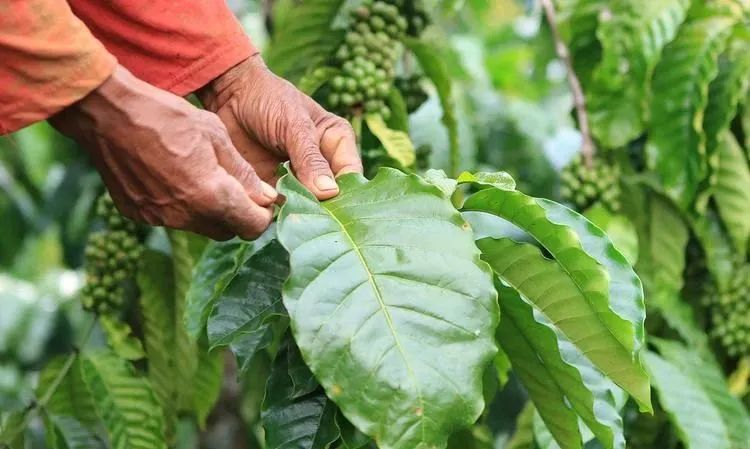
At present, Indonesia is the fourth-largest coffee exporting country. According to statistics from the Indonesian government, Indonesia's coffee plantation area is 1.2 million hectares, while the cocoa production area reaches 1.4 million hectares. The market expects Indonesia's total coffee production to reach 11.5 million bags, but Indonesia's domestic coffee consumption is large, leaving about 6.7 million bags of coffee available for export.
Although the unprocessed coffee export policy is still at the formulation stage, once this policy is implemented and put into effect, it will lead to a reduction in supply in the global coffee market and further trigger price increases. Indonesia is the world's fourth-largest coffee producing country, and its ban on coffee exports will directly affect the supply situation of the global coffee market. In addition, at present coffee producing countries such as Brazil and Vietnam have all reported reduced production, coffee prices remain high, and if Indonesia bans coffee exports, coffee prices will see a large increase.

In the most recent Indonesian coffee season, Indonesia's total coffee bean production for the 2024/25 season is projected at 10.9 million bags, of which about 4.8 million bags are consumed domestically, while more than half of the coffee beans are exported. If Indonesia pursues deep processing of coffee beans, it could retain the added value of deep processing within the country. However, on one hand, overseas markets have a relatively large share of green coffee beans, and on the other hand, the coffee bean market is increasingly inclined toward fresh roasting and selling in consuming countries, which would make the policy's feasibility highly questionable. Further news is awaited on the progress of this policy move by Indonesia.
To learn more about coffee origin news, please scan the QR code to follow: Kaping
Long-press the QR code to follow:

Related Reading




Comments (0)
Loading comments...
You May Be Interested



Trending Reviews
Popular Videos

With you, wherever you are! We provide useful features to help you find new things you'll love






