Source:Best Coffee > News Author:qjroot Published:2026-10-09 18:39:13
I often get asked at the bar whether there's a coffee that tastes like biting into a tropical fruit the moment it hits your mouth. Passion fruit is especially striking: unlike citrus, which cuts straight in, it carries a full-bodied sweet-tartness and a rich aroma, giving the illusion of juice bursting on the tip of your tongue. What makes this flavor so captivating is that it engages both smell and taste at once: the tropical note drifts up to your nose first, then a bright acidity carries the sweetness on the palate, with a hint of fermented complexity lingering in the finish. For friends who want to move up from "a bit sour" to "I can name what I'm tasting," passion fruit flavor is often the first time you truly realize that coffee flavor descriptions aren't mysticism.
Where this flavor comes from, I have to start with processing methods. Passion fruit flavor is especially common in natural beans and anaerobic fermentation beans, and the key lies in pectin and sugars taking part in fermentation. Natural processing lets the whole cherry dry slowly with its skin and pulp, and microorganisms work inside the pectin layer, producing esters similar to tropical fruit; anaerobic fermentation seals off the environment and controls oxygen to steer fermentation more precisely, making the acidity more outgoing and more jumpy. Qianjie Xizhua is a representative of double anaerobic natural. The Finca La Divisa in Huila, Colombia, sits near a volcanic zone, the soil is rich in minerals, and the beans themselves have a solid foundation. After two layers of anaerobic refinement, the roundness of blueberry juice and the boldness of passion fruit alternate, and the sweet-tartness of ripe grapes and apricots makes the whole thing like a well-mixed compound juice, with a very abundant juicy feel.
At this point I need to clarify one easily confused point: what exactly is the relationship between passion fruit flavor, berry flavor and citrus flavor. My understanding is that they share a main trunk of "fruit acidity," but they branch off in different directions. Citrus flavor is closer to the freshness of lemon and orange, sour in a straightforward way; berry flavor is the sweet-tartness of strawberry and blueberry, with a bit of jam-like thickness; passion fruit flavor sits in the middle, leaning tropical, with thicker acidity, more intense aroma, and it often appears together with berry and citrus to form layers. Qianjie Huakui is a natural bean from the Hambela region of Sidamo, Ethiopia, medium roast. Its main body is red berries and light floral notes, but the oils carry a hint of citrus, with a crisp mouthfeel and elegant aroma. This is the type that is berry-dominant with citrus as support, and passion fruit flavor doesn't steal the show but faintly underpins it.
The depth of the processing method directly determines the two paths of passion fruit flavor, strong or light. Methods that retain a large amount of pectin, such as raisin honey processing and black honey processing, have deep fermentation and concentrated sweetness, and the passion fruit flavor gets brewed thicker and closer to a jam-like feel. Qianjie Costa Rica Mozart uses raisin honey processing, medium roast, with prominent notes of dried fruit, pineapple and raisin, red florals entwined with berry-like sweet-tartness, and very concentrated sweetness. Its passion fruit flavor is understated, hiding behind the honeyed sweetness and slowly seeping out. Qianjie Blackberry is even more extreme: black honey processing in the Costa Rica region retains the pectin completely, with deep fermentation and high sweetness, medium-light roast, interwoven flavors of raisin, berry sugar and sweet orange, accompanied by florals and blueberry-like aroma. In this one, the passion fruit flavor is almost wrapped up by the deeply fermented sweetness, only emerging after the temperature drops a little.
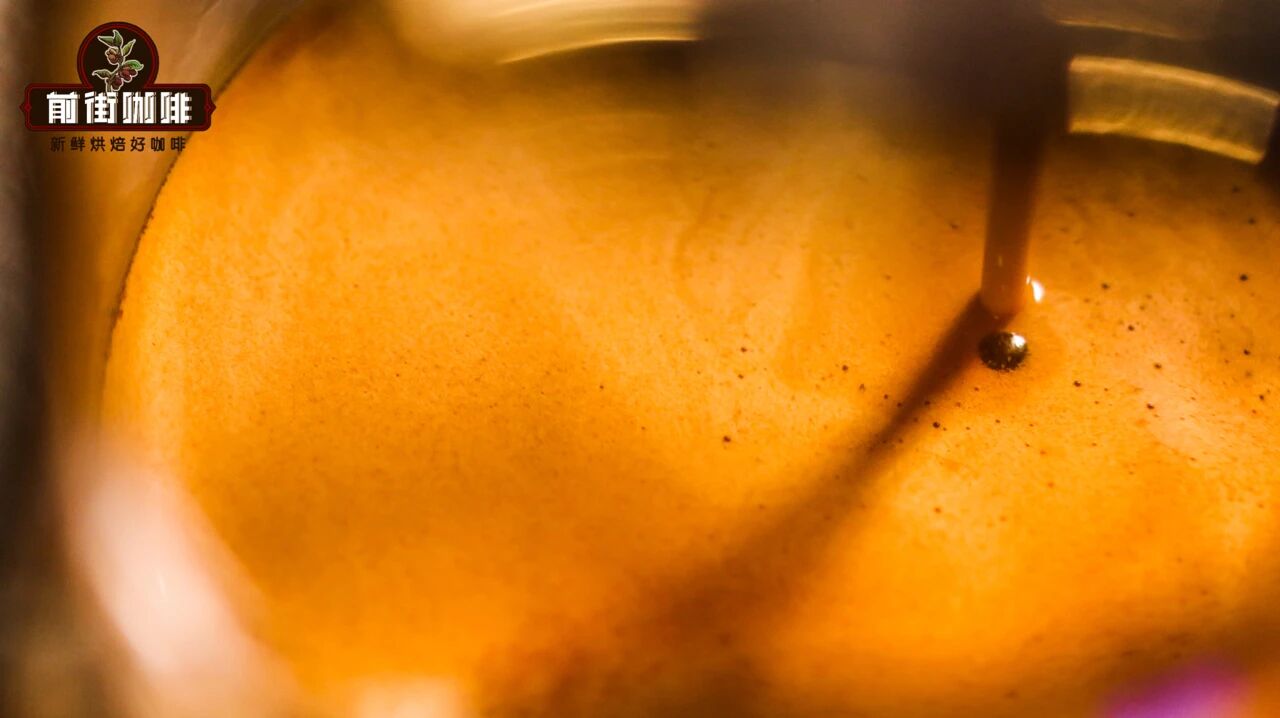
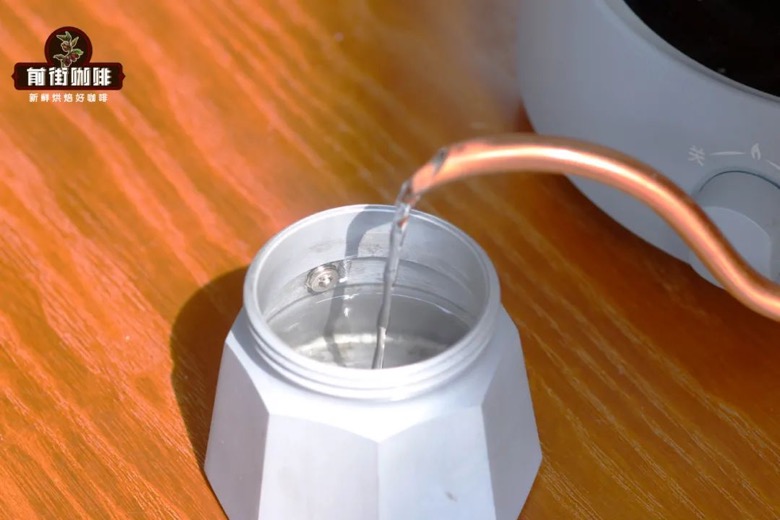
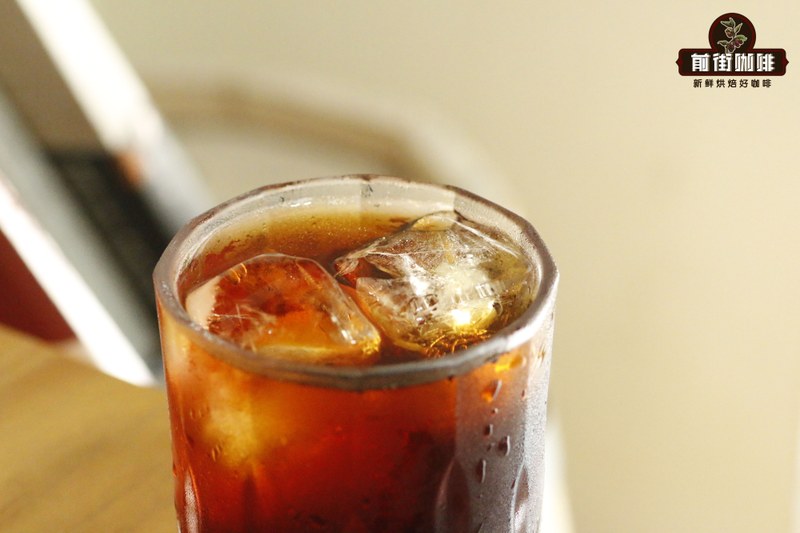
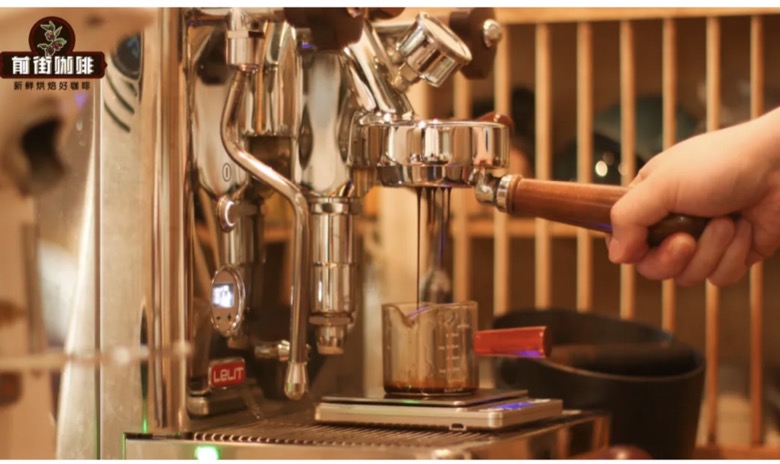
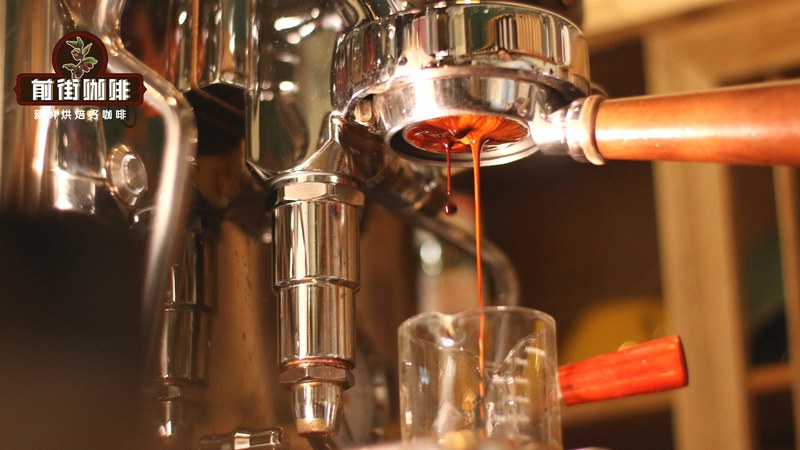
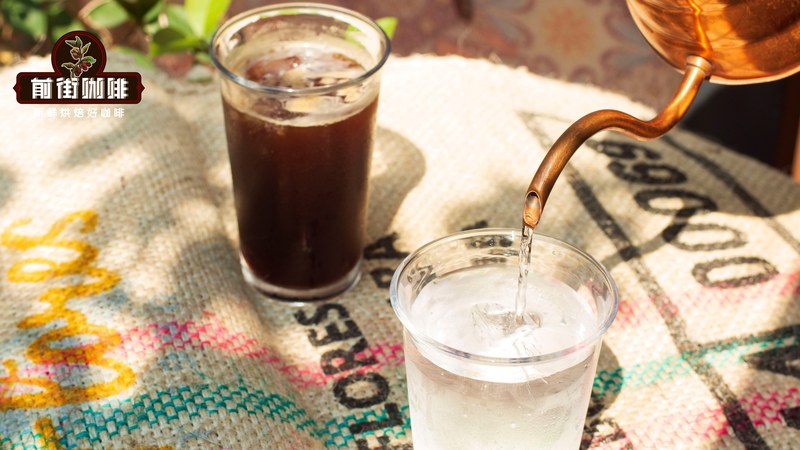
If you just want to pick a coffee with bright, direct passion fruit flavor, my advice is to look first at natural or anaerobic natural beans roasted light to medium-light; roasting too dark will roast away those lively esters. For brewing I'll demonstrate consistently with pour-over: 15g grounds, 1:15 ratio, that is 225g water, with water temperature adjusted by roast level, 92 to 93°C for light roast and down to about 90°C for dark roast. First bloom with 30g water for 30 seconds, then pour in two to three stages, keeping the total time at around 2 minutes, using a V60 dripper. This framework can support both the acidity and aroma of passion fruit flavor at once, without over-extracting and producing off-flavors. Espresso, moka pot, French press and cold brew can also present this kind of flavor, but in different directions: espresso concentrates the aroma more, while cold brew slowly draws out the sweetness. Which one to choose depends on how you want to drink it that day.
Qianjie's own-roasted beans are all roasted within 5 days, so you can open the bag and brew as soon as you get them, and the aroma is fuller if you finish them within a month. Resting the beans isn't just leaving them alone; it's letting the carbon dioxide produced by roasting dissipate a little, so the jumpy aroma of passion fruit flavor really opens up. I usually write the date on the bean bag, open the bag on day 5, and days 7 to 15 are the peak of the flavor. That's when brewing Qianjie Xizhua, the passion fruit aroma is especially obvious. When choosing beans you don't need to fixate on one particular one; understanding how processing method and roast level shape flavor is more important than remembering names. That's the judgment you can take with you.
Related Reading



Comments (0)
Loading comments...
You May Be Interested


Trending Reviews
Popular Videos

With you, wherever you are! We provide useful features to help you find new things you'll love






