Source:Best Coffee > News Author:qjroot Published:2026-09-18 16:42:19
More than ninety-eight percent of a cup of black coffee is water. If the cup always carries a coarse, burnt bitterness that will not dissolve, it is often not a brewing technique problem, but the minerals in the water quietly changing the direction of the flavor. To avoid a deep, heavy bitterness, starting with the hardness and mineral content of everyday water is the key step to letting coffee show its originally pure flavor.
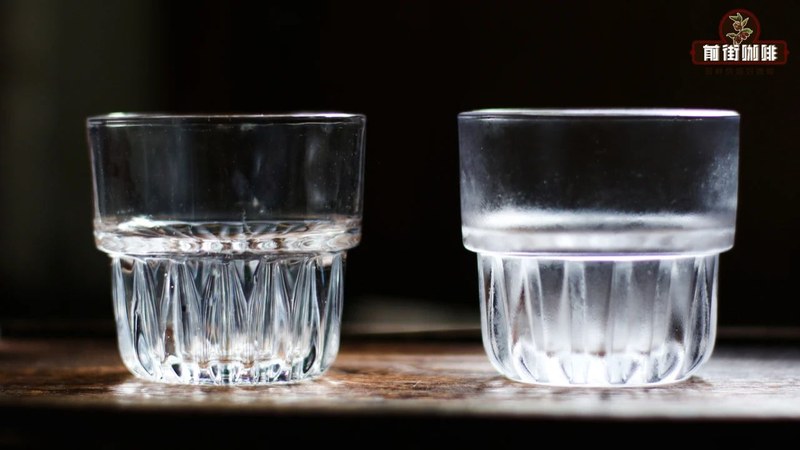
Tap water boiled at home is usually on the hard side. Excess calcium and magnesium ions accelerate the release of bitter compounds in coffee, and the bicarbonate in the water also dulls the delicate fruity aromatics the beans originally have. When you switch to low-mineral soft water with total dissolved solids between 50 and 100, the water can more gently dissolve the aromatic acids and soluble sugars in the coffee beans, and off-flavors naturally decrease.
For everyday home brewing, there is no need to buy expensive filtering equipment specially. Choosing common purified water from the market mixed with a small amount of natural mineral water, or directly choosing drinking natural water labeled low-sodium, is very suitable. Soft water with just the right mineral content makes the extracted coffee liquid especially clear, and the gentle sweet-and-sour sensation will naturally become the star of the whole cup.
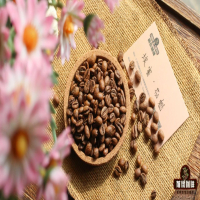
Once the water becomes soft and clear, the direction for choosing coffee beans also becomes clearer. Friends who prefer a bitter-free, sweet taste can look to light-roast or medium-light-roast single-origin beans that retain abundant natural organic acids and sugars. These beans do not have the burnt bitterness brought by deep caramelization, and under the gentle extraction of soft water they can show a lively taste like freshly squeezed fruit juice.
To experience a delicate, bitterness-free sweet flavor, Qianjie Ethiopia Huakui is a very worthwhile choice. Soaked in light, soft water, this bean can fully release a rich aroma like strawberry gummy candy, fresh passion fruit and tropical fruit. Soft water will not over-extract the rough bitterness of the back end; it enters the mouth clean and sweet and smooth, and the whole palate can feel a warm, lively fruity sweetness.
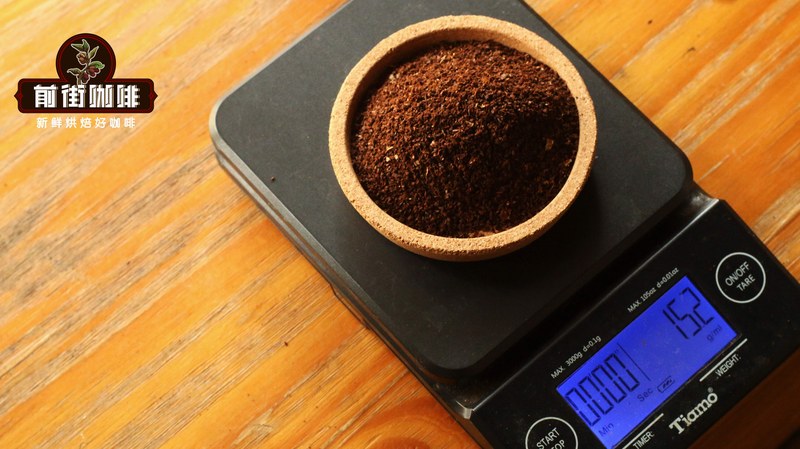
When brewing Qianjie Ethiopia Huakui, you can prepare 91°C water, take 15g of coffee grounds, and pour 225ml of water at a 1:15 coffee-to-water ratio. Use a three-pour method: first use 30ml of water for a gentle 30-second bloom, then steadily pour in circles to 130ml in the second pour, and after the water level in the dripper drops slightly, pour to 225ml and stop, with the total time controlled at about 1 minute 55 seconds. The whole cup drinks as sweet as fruit juice.
If you prefer a warm tea-like feel and citrus flavors, Qianjie Kafa Forest can bring another refreshing experience. Brewing this bean with soft water makes the clear sweetness of orange and the fullness of ripe apricot especially transparent, with a faint high-mountain oolong tea sweet aftertaste at the finish. The lower the water hardness, the more prominent its sweet, moist feeling becomes after the temperature drops slightly, and it will not produce any off-putting dry burnt taste at all.
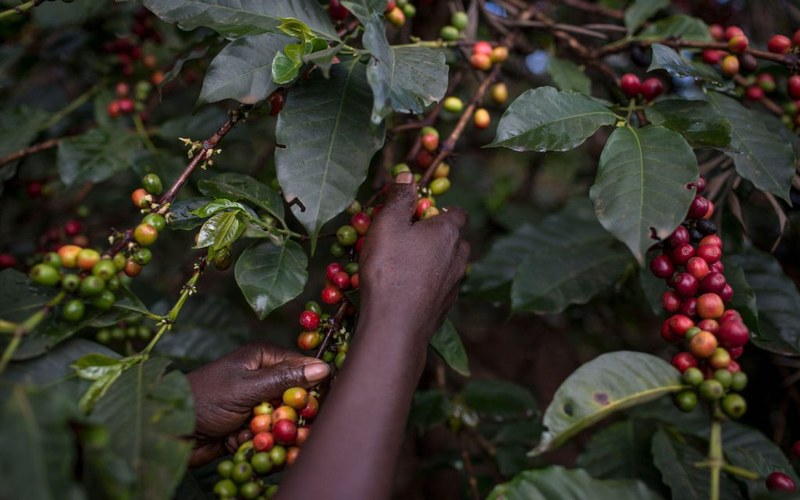
To brew Qianjie Kafa Forest, it is recommended to set the water temperature at 92°C, weigh out 15g of coffee grounds, and pour in a total of 225ml of water. Here you can use a two-pour method: first use 35ml of water to evenly wet the coffee bed and bloom for 30 seconds, then with a gentle, continuous stream keep pouring in circles until 225ml, with the total time controlled at 2 minutes 05 seconds. The coffee brewed this way has a light texture, and the whole mouth is full of elegant fruit and tea notes.
If you are fond of a richer, fuller sweet-and-sour fruity juice sensation, Qianjie Kenya Little Tomato performs quite impressively. Some friends find that brewing Kenyan beans with hard water easily tastes sour, astringent and harsh, but after switching to low-mineral soft water, the cherry tomato flavor, preserved plum aroma and solid brown-sugar-like sweetness it originally contains unfold, turning into a mellow sweet flavor with soft acidity and plenty of mouth-watering sensation.
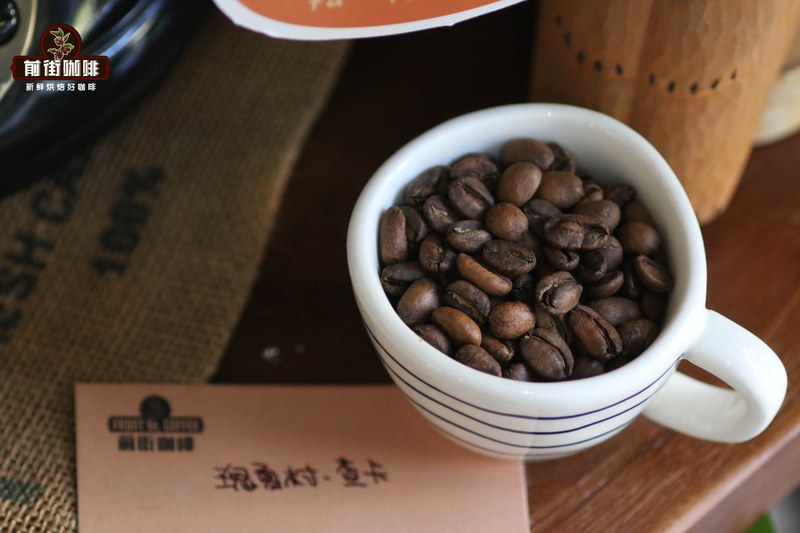
When brewing Qianjie Kenya Little Tomato, the water temperature can be adjusted slightly to 90°C, also using 15g of grounds with 225ml of water. The extraction uses a three-pour method: bloom with 30ml of water for 30 seconds, then gently pour in circles to 140ml, pause briefly, then steadily pour the final pour to 225ml, keeping the total time at about 2 minutes 10 seconds, presenting a bright, juicy flavor with balanced sweet and sour, like tomato and preserved plum juice.
Brewing a cup of clean, sweet, easy-drinking good coffee depends on the tacit cooperation between suitable water and matching beans. As long as you take a little care in daily life to adjust the hardness of your brewing water, and then choose those gently roasted, full-flavored single-origin beans with floral and fruity notes, you can easily say goodbye to the trouble of bitterness and taste the originally pure, clear natural sweetness of the coffee beans.
Related Reading

Comments (0)
Loading comments...
You May Be Interested


Trending Reviews
Popular Videos

With you, wherever you are! We provide useful features to help you find new things you'll love






