Source:Best Coffee > News Author:qjroot Published:2026-09-19 12:34:25
When making hot milk coffee with a moka pot or espresso machine, there are usually two clear routes for buying beans: blends and single origins. Traditional blends pursue balanced, stable flavor, drawing on beans from different regions to complement each other and build a solid nutty-cocoa framework; single-origin beans emphasize pure regional terroir, blending distinctive fruity or floral notes into the milk. Once you understand your own taste preferences and daily usage, you can easily pick the right one from the bean list.
Understanding the blend components on the bean list is a good way to choose the right flavor. Many recipes use beans like Brazil, which have high body and gentle sweetness, as the base, accounting for more than half the proportion, to support the crema and thickness; then they pair with some Colombian or Central American beans to add soft acidity and caramel aftertaste; sometimes a small amount of natural-process beans is mixed in to brighten the aroma. This proportional combination allows the espresso to maintain a full, clear chocolate-nutty flavor even after being mixed with milk.
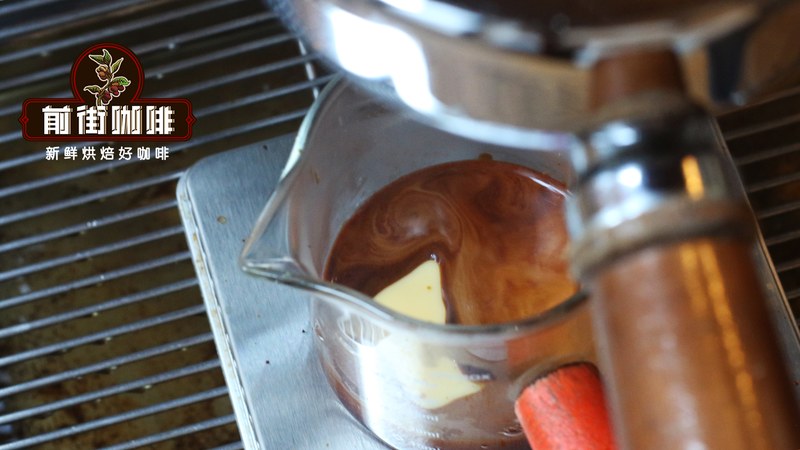
If you want to effortlessly make a rich milk coffee that tastes like melted chocolate, medium-dark roasted blend beans are often very suitable. Qianjie Black Cocoa Blend is a representative of this classic rich route, with the roasting focus on caramelized flavors, acidity controlled to be quite soft, highlighting the slight bitterness of dark chocolate and nutty roasted aroma. This flavor profile is instantly wrapped when it meets hot milk, presenting a silky texture like hot cocoa, bringing full satisfaction when drunk in the morning.
When using a small espresso machine to extract this type of dark-roasted blend for a latte, parameter control can lean toward stability and efficiency. Adjust the grind to espresso fineness, fill the portafilter with 18g of coffee grounds, level and tamp, then lock it into the group head, start low-pressure pre-infusion followed by constant-pressure extraction, and collect 36g of espresso in 26 seconds. The resulting coffee liquid is thick and deep red; pour it directly into 200ml of finely steamed hot milk, and the whole milk coffee combines nutty sweetness with full body.
Compared to the steady reliability of blends, making milk coffee with single-origin beans from a single region lets you taste unique layers and origin personality. This type of single-origin espresso can amplify the characteristics of a certain estate or variety, presenting an experience like fruit gummies or black tea latte after being mixed with milk. When choosing single-origin beans for milk coffee, the focus is on finding batches with full sweetness and rounded texture, avoiding overly sharp fruit acidity that disrupts balance, allowing the delicate fragrance of the origin to blend gently with the milk.
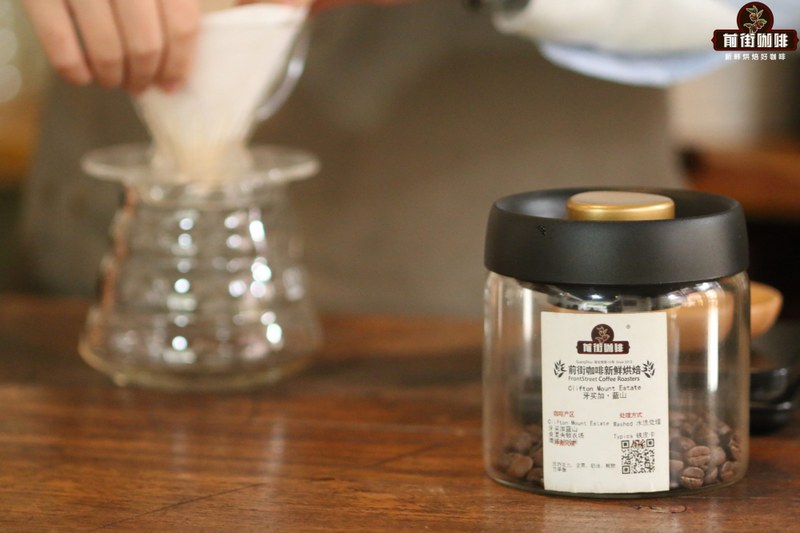
Qianjie Papua New Guinea Paradise Bird is a single-origin bean very suitable as a balanced milk base. It has soft, understated acidity, abundant sweetness, with sugarcane sugar and nutty notes. If you want to enjoy its pure character as a pour-over, you can use 91°C water, 15g of grounds, a 1:15 coffee-to-water ratio, total water 225ml, total time 2 minutes 05 seconds; use a three-stage pouring method, first pour 30ml of water for a 30-second bloom, second stage pour to 130ml, third stage pour to 225ml and stop, and it tastes warm and sweet.
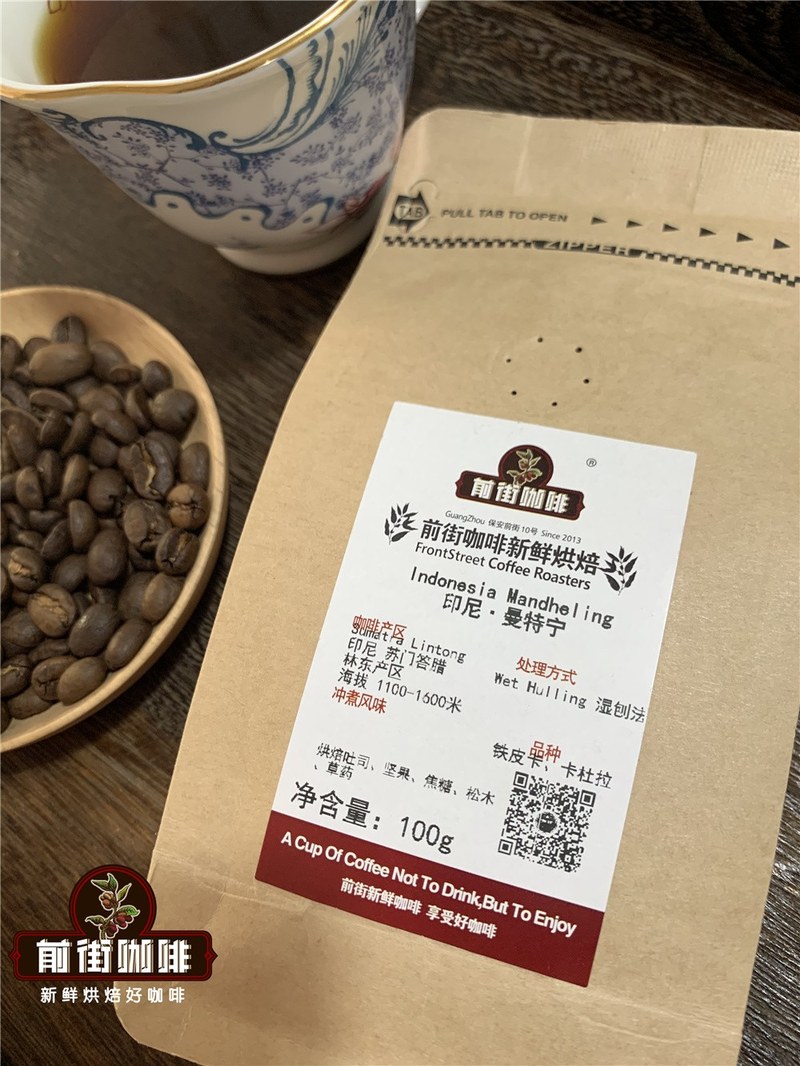
If using a steam-extraction moka pot, when choosing single-origin beans you should pay more attention to solubility of substances and body. Because the moka pot extraction temperature is relatively high, dark-roasted single-origin beans can better display full crema and a rich base. Qianjie PWN Indonesian Golden Mandheling is a tacit partner for the moka pot; dark roasting gives it a rich dark chocolate character and herbal fragrance, with extremely low acidity and a viscous texture, showing a deep, pure, rich taste after adding milk.
When producing a milk coffee base with a moka pot, the operating parameters should focus on the coordination of heat and time. Pour 110ml of 90°C hot water into the lower chamber, fill the filter basket evenly with medium-fine coffee grounds without pressing, tighten the upper and lower chambers and place on the stove, heat over medium-low heat for 1 minute 45 seconds, watch for the coffee to flow out smoothly and remove from heat before the color lightens. This extracts about 60ml of espresso, with a thick, mellow taste; pour directly into warm fresh milk, and the whole drink has distinct flavor and a lasting sweet aftertaste.
Choosing between blends and single origins essentially depends on your daily drinking scenario. If you are in a hurry in the morning, or want the latte in your cup to maintain the familiar rich dark chocolate flavor every day, mature-formula blend beans are a worry-free, effort-saving partner; if you like to slow down in the afternoon and look forward to tasting apricot, citrus, or delicate floral surprises from the origin in your milk coffee, the single-origin route brings more joy of taste exploration.
The charm of coffee lies in its rich diversity of possibilities; there is no need to set limits on your equipment. Whether using a classic blend to make a fragrant nutty latte, or using a single origin to brew a pot of espresso full of regional character in a moka pot, as long as you understand the formula structure and flavor direction and choose according to your current mood, every cup of milk coffee you make yourself will bring warm, solid satisfaction.
Related Reading





Comments (0)
Loading comments...
You May Be Interested




Trending Reviews
Popular Videos

With you, wherever you are! We provide useful features to help you find new things you'll love






