Source:Best Coffee > News Author:qjroot Published:2026-10-09 18:42:52
After brewing coffee for so many years, I've found that the fermented flavor line is especially fascinating, and especially easy to miss when drinking. It doesn't grab you by the nose like citrus or floral notes; instead it hides in the dry aroma, lurks behind the high-temperature stage, and only slowly unfolds once the temperature drops. Today, using pour-over as an example, I'll break this tasting logic down into steps you can actually follow, to help you find the dried-fruit sweetness and vinous notes in your cup layer by layer.
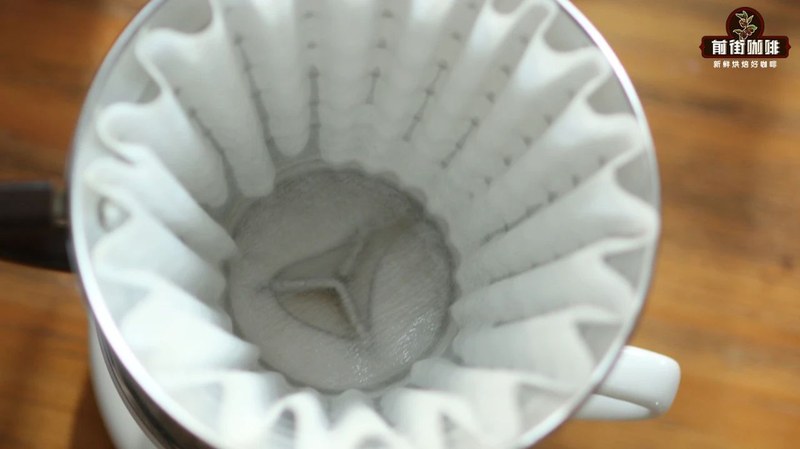
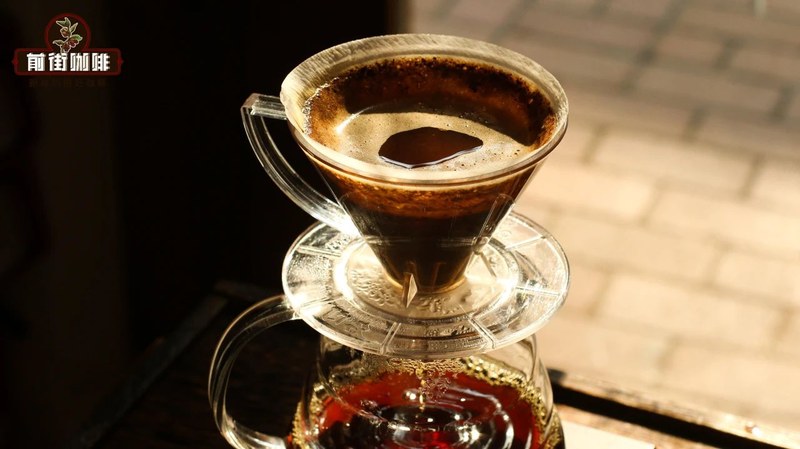
First, the parameters, which are the foundation. 15g of grounds with 225g of water, locked at a 1:15 ratio, V60 dripper. Adjust water temperature by roast level: for a medium-light roast such as Qianjie Blackberry, use 92 to 93°C; for a medium roast like Qianjie Sidra or Qianjie Costa Rica Mozart, around 91°C is just right; if it's a touch darker, 90°C is enough. Bloom with 30g of water for 30 seconds, then pour in two to three stages, keeping the whole process at around 2 minutes. This framework is stable enough that the fermented notes have room to unfold, without being brewed too thin or too muddled.
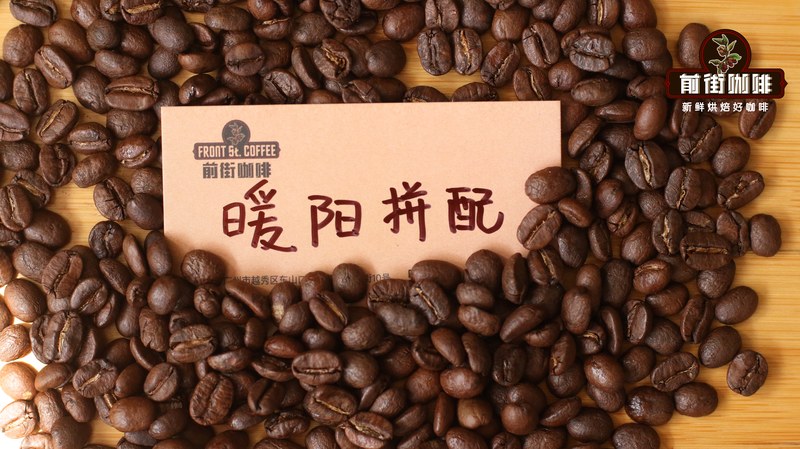
The starting stage is smelling the aroma, split into dry and wet phases. After grinding, don't rush to pour water; bring your nose close to the bed of grounds. Beans with pronounced fermented notes often carry raisins, dried blueberries, even a hint of sweet-fermented rice wine in the dry aroma, completely different from the bright acidity of fresh fruit. Qianjie Blackberry uses a black honey process, retaining more mucilage with a deeper fermentation, so you can catch thick berry sugar and sweet orange in the dry aroma. Once you pour, the wet aroma is released, and the dried-fruit sweetness pushes upward; Qianjie Costa Rica Mozart, with its raisin honey process, shows warmth of pineapple and red florals at this stage. Remember this contrast: fresh fruit aromas jump out, fermented aromas sink down, like the difference between jam and fresh fruit.
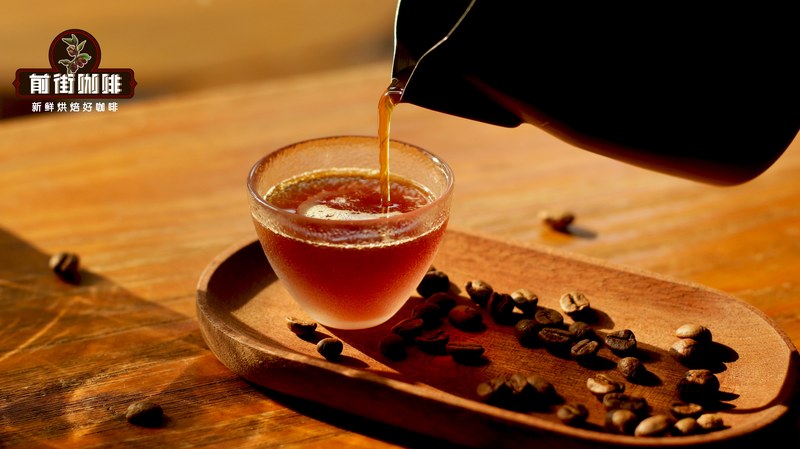
On the palate, focus on finding three types of texture. First, the thick sweetness of dried fruit, the texture of dried apricot or dried mango, with weight you can feel mid-tongue; second, the acidity of tropical fruit, the wine-tinged acidity of passion fruit or ripe pineapple, not the sharp jab of lime; third, the vinous undertone, which usually rises back up from the throat after you swallow. Qianjie Sidra's double anaerobic natural is very typical here: after the sweet-tart blueberry juice, the fermented note of ripe grapes lingers on both sides of the mouth. At this point don't rush the next sip; pause for three seconds and let the vinous note travel through the nasal cavity as you exhale. This is the especially fascinating moment of fermented coffee.
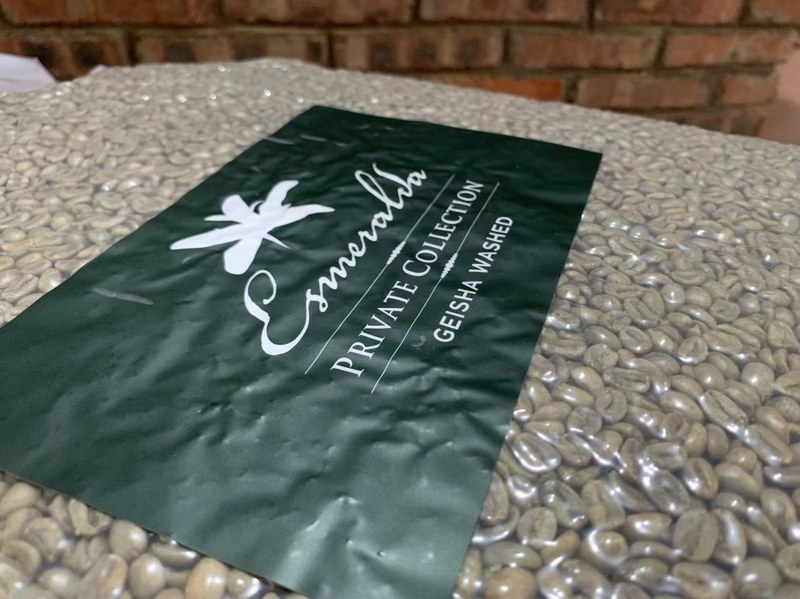
The watershed between fresh-fruit flavor and fermented flavor lies in the "sense of time." Fresh fruit is like an orange just cut open, its aroma immediate and crisp; fermented flavor is like jam slowly simmered over low heat, or wine sealed in an oak barrel, carrying layers of "what it has been through." Although Qianjie Grana Geisha is a natural process, the genetics of Ethiopian heirloom Geisha make it primarily clean yellow peach, apricot and citrus, with a clean tea-like finish, where fermentation is a garnish rather than the star. Drink it alongside Qianjie Blackberry and the contrast becomes especially clear: one is like an orchard in the morning, the other like a wine cellar in the afternoon.
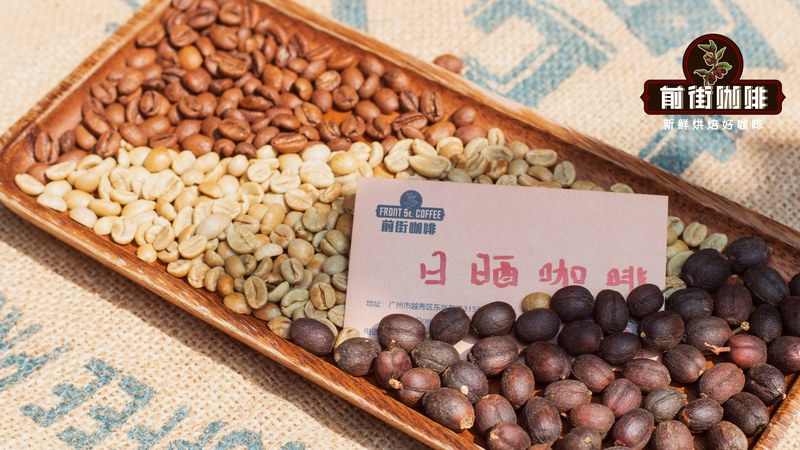
Once the temperature drops, the fermented character shows another face. At high temperature it may be pressed down by acidity, but when the cup falls to around 40°C, the sweetness of fermented rice, cocoa, even dried longan floats up. I like to take a sip 8 minutes after brewing; by then Qianjie Costa Rica Mozart's berry acidity has softened, and the dried-fruit and raisin sweetness becomes like holding a preserved plum candy in your mouth. If you use cold brew or a French press for fermented beans, low-temperature slow extraction opens up this sweet richness even more, but the advantage of pour-over is distinct layers, with something new at every temperature stage.
When choosing beans, the processing method is your signpost. Anaerobic natural, honey process, raisin honey process, these methods where mucilage takes part in fermentation are more likely to produce fruity wine notes. Among Qianjie's four beans, Qianjie Sidra and Qianjie Blackberry go deeper into fermentation, suited to those who want to actively explore vinous notes; Qianjie Costa Rica Mozart has concentrated sweetness and crowd-pleasing dried-fruit flavors, a good choice for beginners; Qianjie Grana Geisha is suited to first establishing a baseline of "clean natural" before comparing back. Qianjie's beans are all roasted within 5 days, ready to brew as soon as you open the bag, and best finished within a month. Next time you brew, try slowing your cupping spoon half a beat, and let that arc from dried fruit up to vinous aroma travel through your mouth in full.
Related Reading



Comments (0)
Loading comments...
You May Be Interested



Trending Reviews
Popular Videos

With you, wherever you are! We provide useful features to help you find new things you'll love






