Source:Best Coffee > News Author:qjroot Published:2024-11-25 16:06:01
Jamaica
When it comes to coffee, many people think of the famous Blue Mountain coffee, which comes from Jamaica, an island nation in the Caribbean in North America. The country covers an area of 10,991 square kilometers, making it the third largest island in the Caribbean. It is divided into three counties, which are further subdivided into 14 parishes.
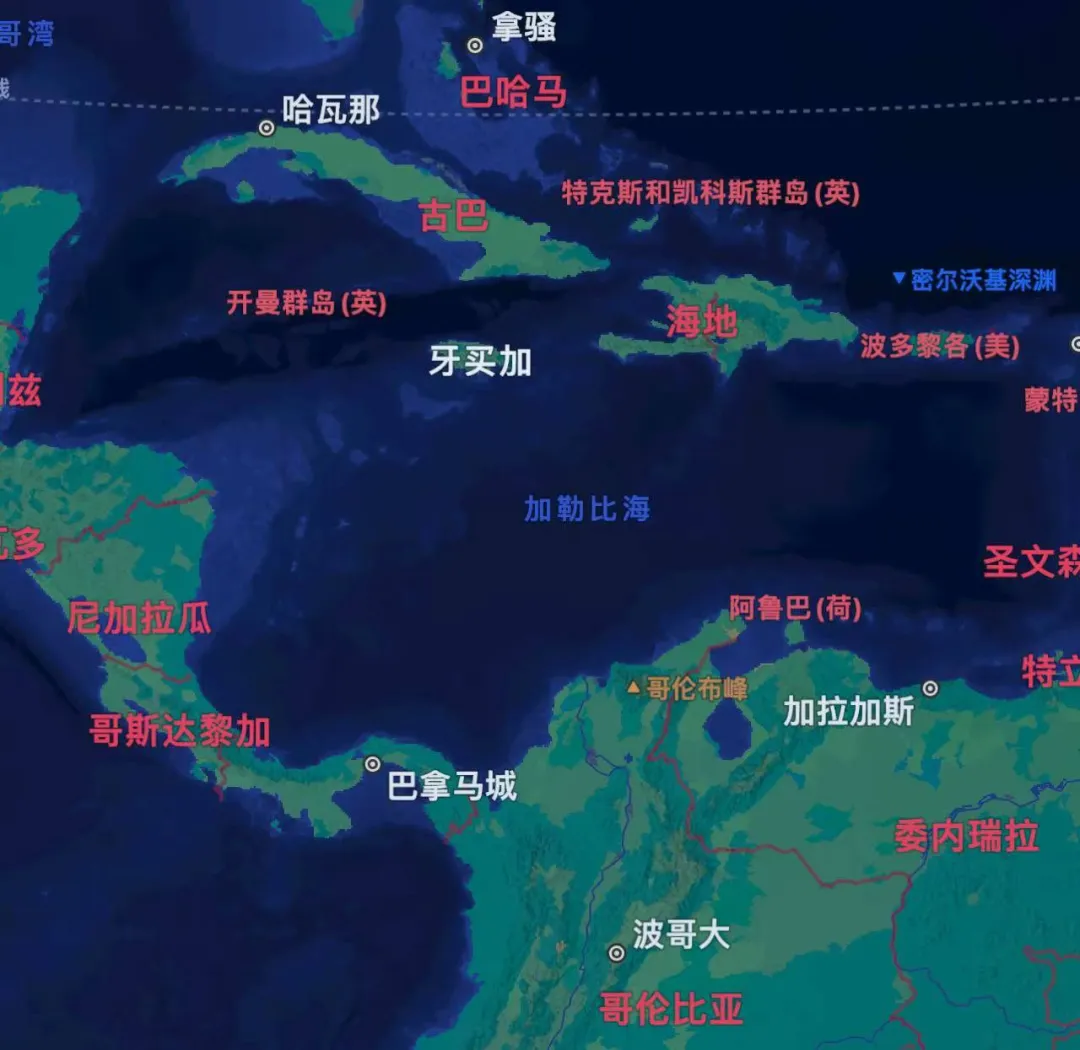
Jamaica is an island country located in the northwest Caribbean Sea, facing Haiti across the Jamaica Channel to the east and about 145 kilometers from Cuba to the north. The coastal areas of Jamaica are alluvial plains, with mountainous terrain in the east, and hills and limestone plateaus in the central and western parts. The region features well-developed karst landforms, lacks surface runoff, and has numerous caves.
The country has a tropical rainforest climate, with rainy seasons from April to June and September to November. January and May experience the most showers, while December to March is the dry season with cooler weather. However, from June to the end of November, the region is prone to hurricanes and tropical storms, often affected by hurricanes. The central and northern parts receive abundant rainfall, with temperatures generally ranging between 22-32°C.
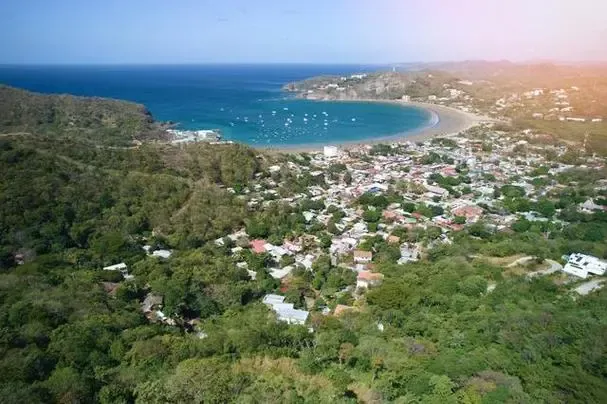
Coffee Growing Regions
According to the Coffee Industry Regulation Act, the Blue Mountain coffee-growing region is divided among four parishes: St. Andrew, St. Thomas, Portland, and St. Mary. Only Typica variety coffee grown within this area at elevations between 915 meters and 1700 meters can be designated as Jamaica Blue Mountain coffee.
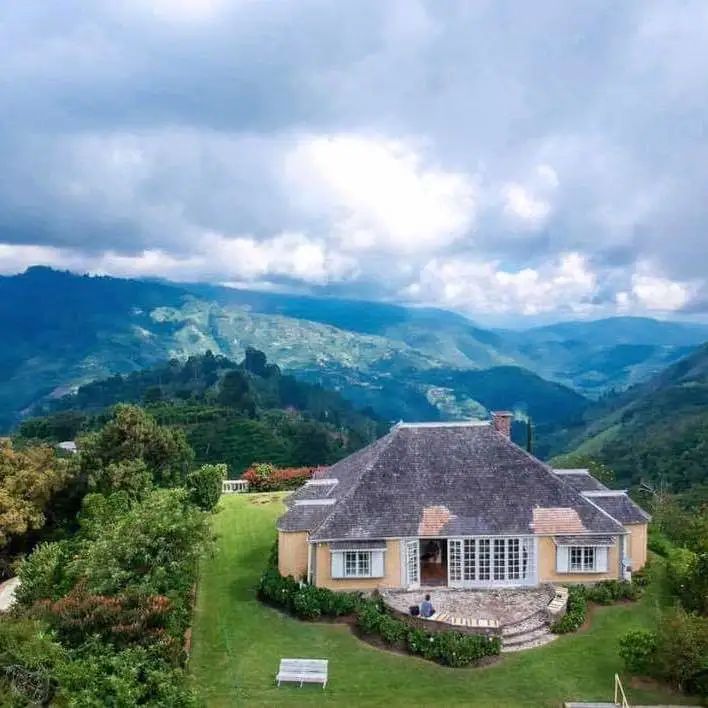
The Blue Mountains are located in eastern Jamaica, with elevations ranging from 1000 to 1700 meters. Surrounded by the Caribbean Sea, when the weather is clear and sunlight directly hits the sea surface, the mountain peaks reflect the blue glow of the ocean, hence the name. This region lies within the coffee belt, featuring fertile volcanic soil, fresh unpolluted air, and a humid climate with year-round fog and frequent rainfall (average annual precipitation of 1980 mm and temperatures around 27°C). Such conditions have given rise to the world-renowned Jamaica Blue Mountain coffee.
Typica
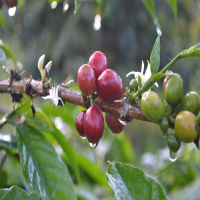
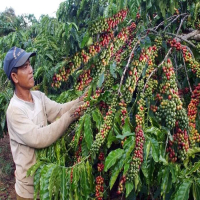
⟦U12⟧On Typica coffee plants, the leaves are ridged and pointed at the tips, with colors tending toward green and bronze. The fruit nodes are spaced far apart, and the fruits are mainly red. The coffee beans are relatively long in shape, and the overall plant is quite tall. It is better suited for cultivation at high altitudes, where higher elevation yields better quality, but production is low. It is extremely susceptible to common issues such as leaf rust, nematodes, and berry disease. Currently, Typica is mainly grown in producing countries such as Peru, Papua New Guinea, and Jamaica. Additionally, Typica grown in the Blue Mountains of Jamaica has, after more than 200 years, evolved to have better disease resistance than typical Typica.
⟦U12⟧Related Reading"https://v3.coffeecdn.cn/uploadfile/ueditor/image/202411/1732521938d4d0e0.jpg"





Comments (0)
Loading comments...
You May Be Interested


Trending Reviews
Popular Videos

With you, wherever you are! We provide useful features to help you find new things you'll love






