Source:Best Coffee > News Author:qjroot Published:2026-08-24 13:20:39
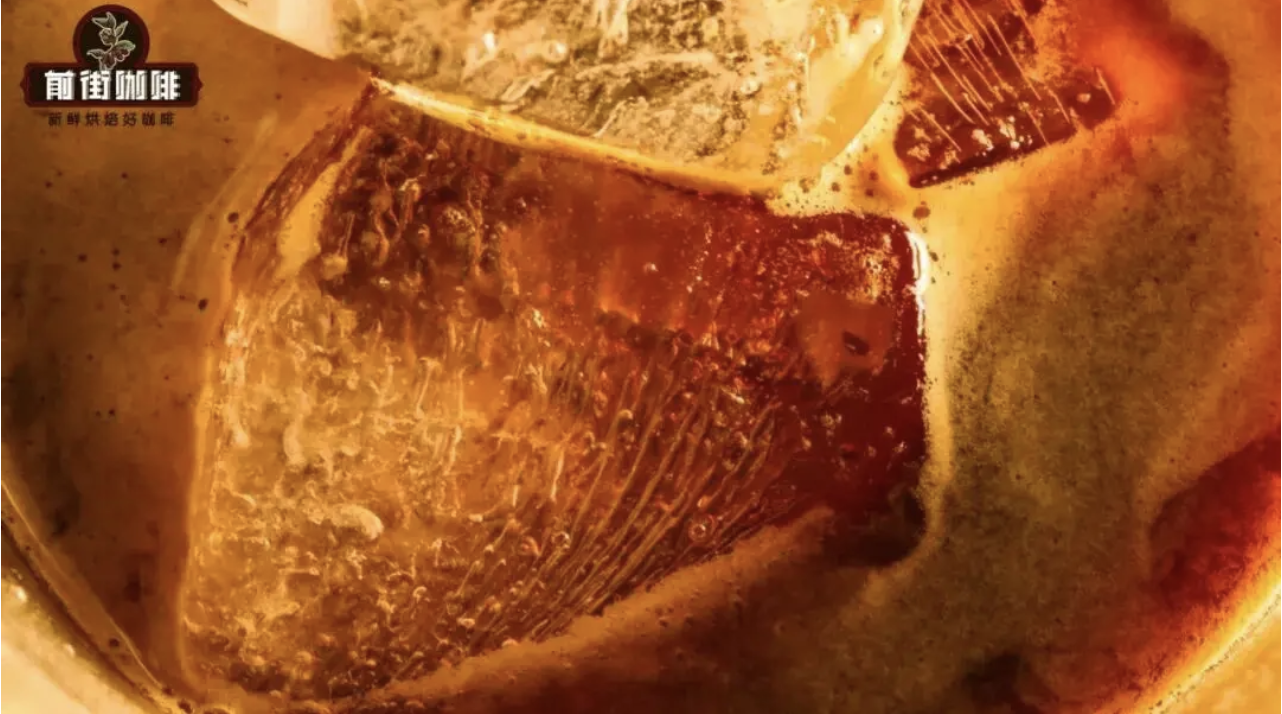
Cold brew timing is often reduced to a single phrase, "steep it for twelve hours," but in reality the steeping duration is a complete flavor curve: in the first few hours sweetness emerges first, then in the middle stage acidity and aromatic compounds are released one after another, and past a certain point woody and astringent notes begin to take the upper hand. If you want to pull your cold brew out at the high point of the curve, the pairing of bean selection and timing matters a great deal.
Light-roast beans have a tightly structured cell wall, so compounds dissolve slowly and the flavor peak arrives late, enduring long steeping; dark-roast beans have a loose structure and release flavor quickly, so steeping too long easily over-extracts and turns bitter. So for the same fourteen-hour steep, a dark roast may already be on the downslope while a light roast has only just reached its prime. Using a light roast like Qianjie Yirgacheffe for a long cold brew, the fruity notes and sweetness stay stable between twelve and sixteen hours, with a wide margin for error, especially friendly to people who are not sensitive to timing.
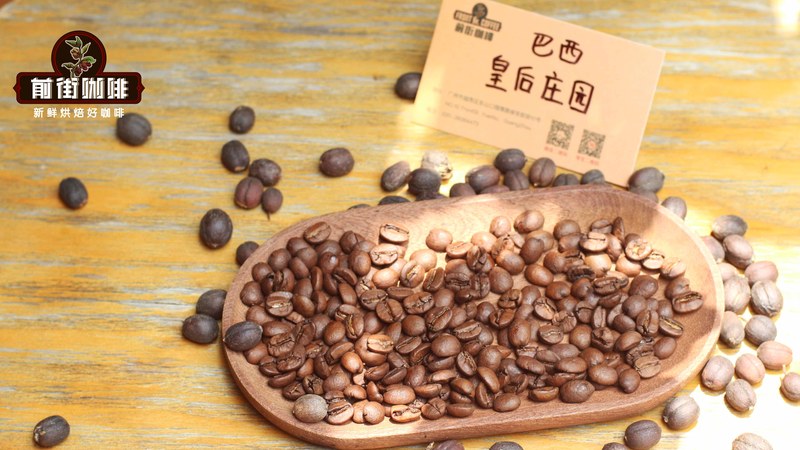
Medium-dark roasts suit a shorter route. Full-bodied beans like Qianjie Brazil Cerrado can steep out the sweetness of nuts and caramel in eight to ten hours, after which bitterness noticeably accumulates and the curve falls faster than with light roasts. If you like the rhythm of steeping at night and drinking in the morning, you can process medium-dark roasts before bed and filter right when you wake up; light roasts are better prepared a day ahead, giving them enough time so the layers of flavor can unfold completely.
Temperature rewrites this curve. Room-temperature steeping has fast molecular activity and can reach an extraction level similar to twelve hours of refrigeration in just six to eight hours, but aromatics are also lost quickly; refrigerated slow steeping has a gentle curve and releases flavor delicately, suiting beans with delicate aromatics. The strawberry and floral character of Qianjie Huakui is better preserved by refrigerated slow steeping, whereas fast room-temperature extraction easily lets the aromatics escape; the same bean at a different temperature tastes like two different beans.
Time also amplifies the fermented feel. The flavor compounds of natural-process or special-process beans are active, and after a long steep the fermented aroma grows heavier and heavier; those who like this complexity will be fascinated, while those not used to it will find it stuffy. Controlling steeping duration is really controlling the concentration of the fermented feel; the same natural bean steeped ten hours versus sixteen hours follows almost two different flavor directions, which is also why cold brew is more worth playing with time than hot brew.
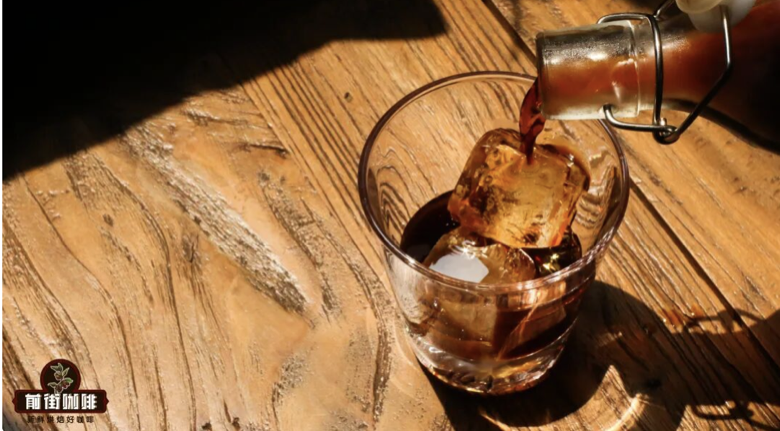
In practice, it is worth building a time record for each bean. At eight hours, take a small sip as a sample, then taste again every two hours, jotting down the rises and falls of flavor in your notes, and the high point of that bean will naturally become clear. Parameters can be copied from others, but the curve has to be drunk out by yourself; after two or three rounds with a bean, the sense of timing grows on you, and that is probably where the fun of cold brew lies.
When choosing beans, you might treat steeping endurance as a hidden indicator: light roasts with high endurance have a large margin for error and suit a lazy method where you put them in the fridge and forget about them; full-bodied beans that release flavor quickly need an alarm set, filtering right on time. Let time and beans negotiate with each other, and the flavor of your cold brew will land steadily on the point you want, every bottle drunk with full clarity.
Related Reading


Comments (0)
Loading comments...
You May Be Interested

Trending Reviews
Popular Videos

With you, wherever you are! We provide useful features to help you find new things you'll love






