Source:Best Coffee > News Author:qjroot Published:2026-09-24 14:29:17
Waking up in the kitchen to the aroma of coffee, with hot milk slowly poured into the cup, this latte is the source of energy for many coffee lovers throughout the day. However, when making a latte at home, sometimes the coffee tastes as weak as warm milk, and sometimes it is so bitter that it masks the milky aroma. In fact, the secret to a delicious latte is not mysterious; it depends on the extraction yield and concentration of the espresso. As long as you find that balance point, the flavor in the cup becomes especially smooth and mellow.
To understand the foundation of a latte, you first need to clarify the two companions: extraction yield and concentration. Extraction yield refers to how much substance has been dissolved from the coffee grounds, while concentration is the proportion of coffee components in the cup. It is like making a bowl of broth: if you add too much water, the soup tastes weak; if you stew it too long, it easily becomes bitter and astringent. The same applies to making espresso. If the water temperature is too high or the grind is too fine, it will bring out woody, bitter substances that should not be extracted, while if the grind is too coarse, the aroma will flow away before it is fully released.
When you drink an espresso that tastes weak, it is often because the coffee was ground too coarse, causing the flow rate to be very fast and the extraction to be insufficient. If it tastes too strong or even dry and astringent at the back of the tongue, it is mostly because the grind is too fine or the extraction time is too long, causing over-extraction. There is no need to panic when this happens. Slightly adjusting the grinder one notch coarser or finer, or making a small adjustment to the water temperature, will often bring back the smooth texture of the whole bag of beans.
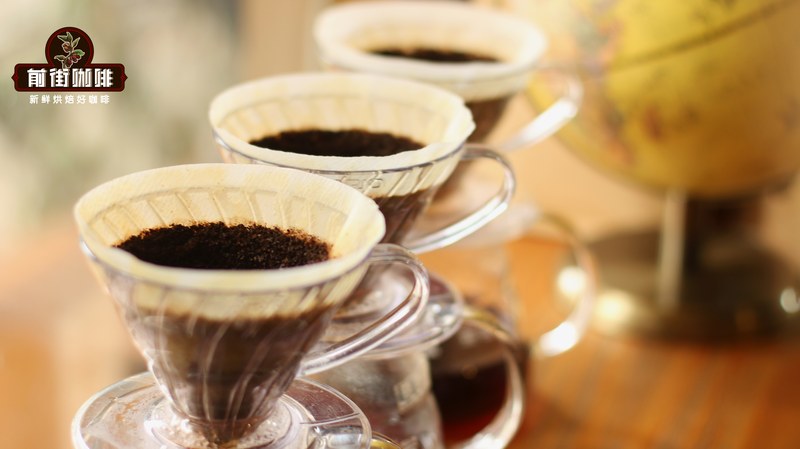
When we dial in espresso in daily practice, we usually establish a stable baseline. For example, use 19 g of coffee grounds, set the water temperature at around 92°C, extract 38 g of espresso, and keep the entire extraction time precisely between 26 and 28 seconds. Under this framework, the coffee's enticing aromatic substances, pleasant acidity and sweetness, and body can dissolve out just right, laying a solid foundation for subsequently blending with milk.
Besides extraction parameters, when choosing beans, it is also crucial to consider whether they are suitable for drinking strong or light. For example, Qianjie Classic Blend is a representative of the rich and mellow style. It combines Indonesian Mandheling and Brazilian Red Bourbon, and also adds a small amount of Robusta. When freshly extracted, it not only has the deep, rich aroma of butter, milk chocolate and roasted chestnuts, but also produces extremely thick and delicate crema. This layer of crema can make latte art patterns last and remain stable, and the rich, full-bodied base is very reassuring.
This kind of bean, with a slightly darker roast and flavors dominated by dark chocolate and nuts, has very high intensity. After extracting 38 g of espresso, it is very suitable to add about 240 g of hot fresh milk. The larger proportion of milk will not dilute the coffee aroma; instead, it brings out the caramel sweetness in Qianjie Classic Blend to the fullest. The blend of the two is like melting a piece of silky creamy chocolate, and it is especially satisfying to drink.
If it is for everyday drinking, Qianjie Dark Cocoa Blend is also a very comforting choice. It uses medium-dark roasted Brazilian Red Bourbon paired with Yunnan small-bean coffee, and the extracted espresso has gentle notes of cocoa, nuts and caramel cookies. Its overall texture is extremely soft. After blending with milk at the same extraction amount, the overall flavor is full but not sharp. Even if you drink a couple more sips, it will not feel cloying, making it especially suitable with breakfast.
And if you prefer bright, light fruit aromas, the medium-roasted Qianjie Strawberry Candy espresso blend will bring a completely different experience. It gives off the aroma of roses, citrus and dried blueberries, with soft, sweet fruit acidity. If this kind of bean is mixed with too much milk, the aroma is easily masked by the milky taste, so it is more suitable for a lighter drinking approach with less milk. 38 g of espresso paired with about 170 g of fresh milk allows you to taste a lively flavor like strawberry cocoa cookies.
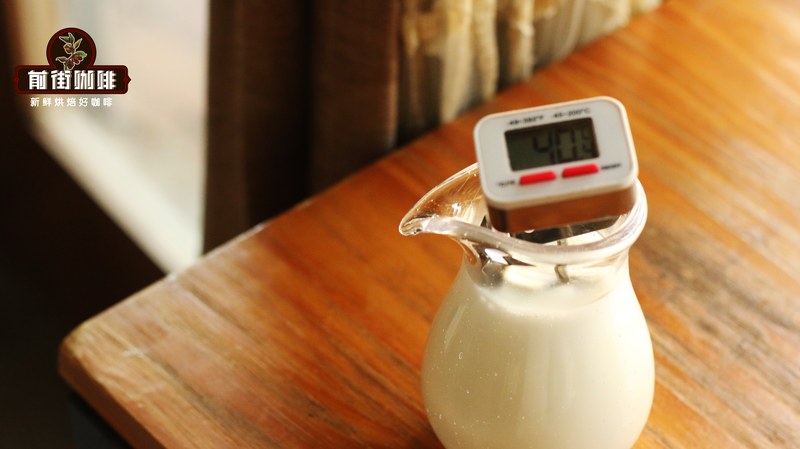
Once you have chosen the right coffee beans and extraction rhythm, use the steam wand to steam whole fresh milk to 55 to 60°C, allowing the fine, dense microfoam to fully blend with the espresso. The ratio of a latte has never been a rigid doctrine. According to the character of the beans on hand, flexibly adjusting the amount of milk between rich nutty flavors and fresh fruit aromas allows you to handcraft your own cozy, delightful taste on every leisurely morning.
Related Reading





Comments (0)
Loading comments...
You May Be Interested


Trending Reviews
Popular Videos

With you, wherever you are! We provide useful features to help you find new things you'll love






