Source:Best Coffee > News Author:qjroot Published:2026-09-22 13:49:23
Many people making lattes at home always have this doubt: they clearly add thick, fresh milk, yet it either tastes like lukewarm plain water or leaves only a jarring bitterness. In fact, a rich, smooth, and mellow latte depends entirely on the espresso underneath. As long as you understand the origin terroir behind the green beans and pair milk according to the flavor characteristics of the producing region, you can easily make a daily milk coffee that amazes.
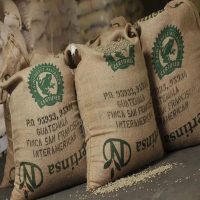
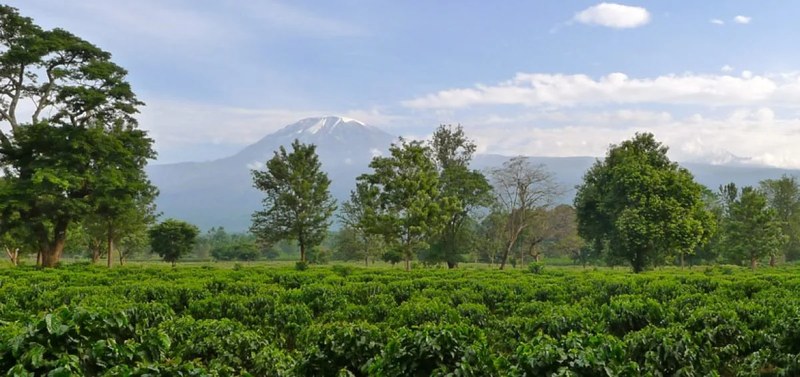
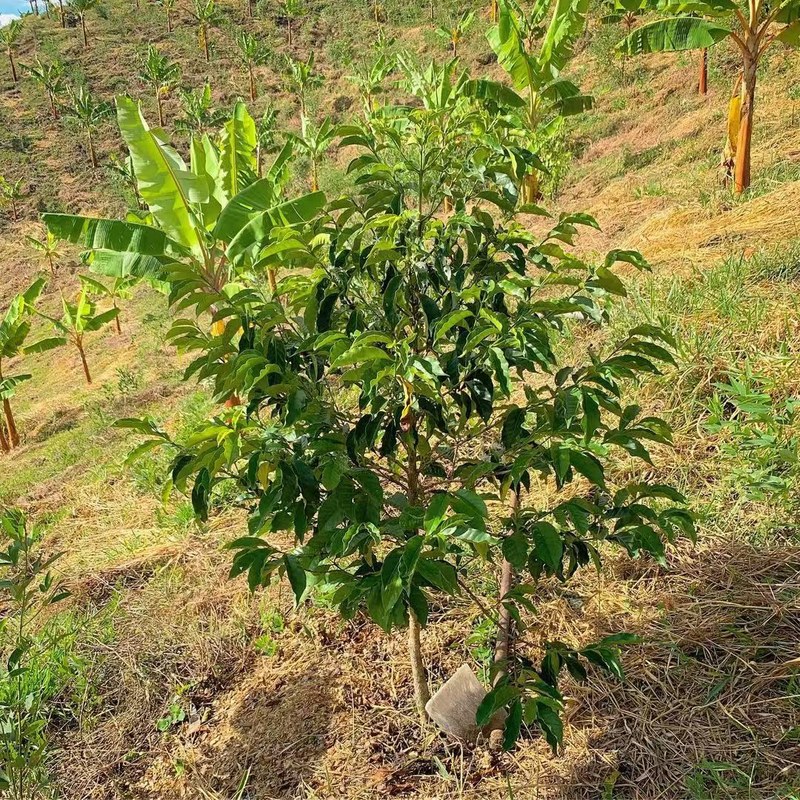
The soil, altitude, and climate where coffee trees take root give green coffee beans completely different terroir personalities. Broadly divided, the world's three major coffee-producing regions each have their own charm. The African producing region has bright and lively floral and fruity acidity, the Central and South American producing region focuses on the balanced warmth of nuts and cocoa, while the Asian producing region is known for its deep, mellow herbal aroma. Once you understand them, bean selection has a clear direction.
Friends who prefer light fruity aromas can turn their attention to the African terroir map. The high-altitude red soil of Ethiopia and Kenya always nurtures lively aromas like citrus and berries. When Qianjie Strawberry Candy Coffee Beans meet milk, the native flavors of Arabica from different producing regions blend with each other, like holding a strawberry gummy in warm milk, with especially prominent sweetness, very suitable for friends who fear bitterness.
If you love the most familiar and reassuring flavor in coffee shops, the Central and South American producing region is the best choice. The abundant sunshine here brings a balanced and clean sweetness, full of the warmth of roasted nuts and dark chocolate. Qianjie Specialty Blend is exactly a representative of this style, using Brazil Cerrado and Colombia Huila, and for nearly ten years it has been the core of store-made lattes, with nutty cocoa wrapped in milky aroma on the palate.
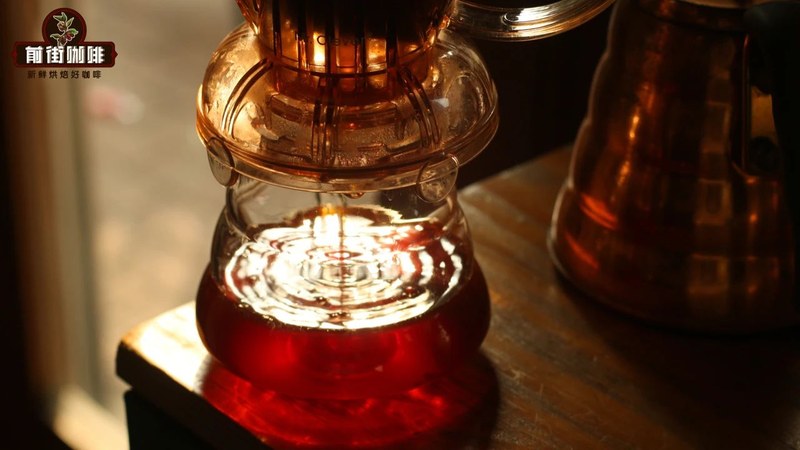
Coffee friends who pursue a strong and heavy mouthfeel cannot do without the rich gift of the Asian producing region. The fertile volcanic ash of Sumatra, Indonesia, creates the unique herbal spice aroma of Mandheling, with an especially rich and solid texture. Qianjie Classic Blend uses the traditional Mamba recipe, cleverly fusing the mellowness of Mandheling with the warmth of Brazil, with excellent crema performance, so even an ordinary home machine can easily extract dense reddish-brown crema.
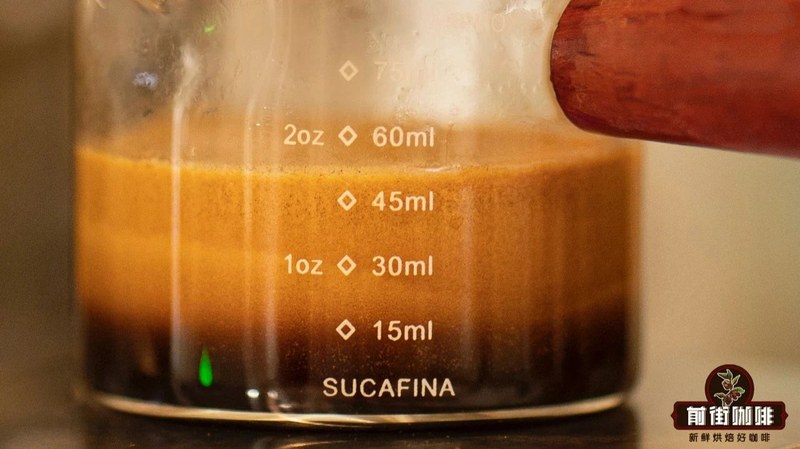
For family daily drinkers seeking value for money, or friends planning to open a shop and control costs, Qianjie Black Cocoa Blend is also worth attention. It uses 100% Arabica beans, not only continuing the terroir characteristics of nuts and cocoa, but also with abundant crema, smooth and rich on the palate. With an affordable price plus stable output performance, whether as a daily staple bean for drinking in large gulps or for commercial output, it makes people feel especially secure.
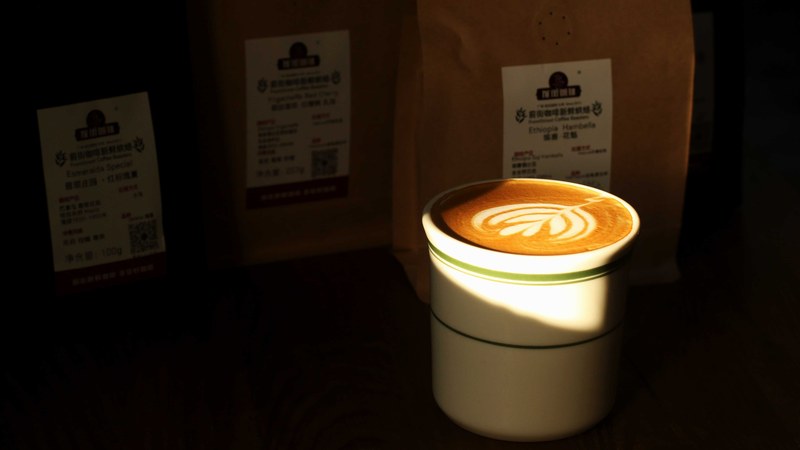
Once the beans are chosen, the brewing parameters must also be precisely controlled. When making an espresso milk coffee base, it is recommended to use 18 to 19 g of coffee grounds, extract 36 to 38 g of espresso, and keep the extraction time between 25 and 28 seconds. Watching the golden, fine crema slowly flow into the bottom of the cup, then slowly pouring in finely steamed warm milk, the aroma of coffee and the sweetness of lactose can blend into a full, silky perfect state.
Choosing latte beans is actually a very personal matter. Young friends just entering the coffee world who want a fresh new flavor, Qianjie Strawberry Candy Coffee Beans can bring a refreshing fruity surprise; those who prefer traditional Italian flavor and value classic balance will never go wrong with Qianjie Specialty Blend; while beginners who value rich crema and like strong, milky coffee, Qianjie Classic Blend can bring a full sense of achievement in making it.
Terroir nurtured by different latitudes and longitudes is quietly released in the scalding extraction and dense milk. No complicated equipment is needed; as long as you understand the terroir map and choose according to your own taste preferences, you can bring the coffee aromas of the world into your own small coffee cup. Tomorrow morning when you get up, why not choose a flavor you like and use a warm, rich latte to start a new day full of aroma.
Related Reading


Comments (0)
Loading comments...
You May Be Interested



Trending Reviews
Popular Videos

With you, wherever you are! We provide useful features to help you find new things you'll love






