Source:Best Coffee > News Author:qjroot Published:2026-09-07 11:32:38
The fruit acidity in SOE beans does not increase out of thin air after adding water. What truly determines whether it seems bright, rounded or sharp is the combined effect of the coffee's characteristics and the degree of extraction. Pour-over lets you first see the aroma and sweetness clearly, while espresso compresses those flavors into a concentrated liquid; once made into an Americano, the amount of dilution water will also rearrange the ratio of acidity, sweetness and bitterness.
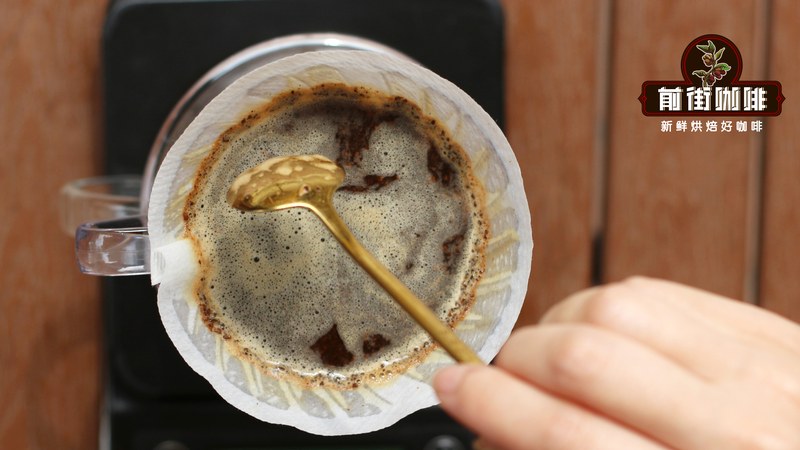
When facing beans labeled with citrus, berry, tomato or tea-like notes, you can observe whether the acidity is accompanied by ripe fruit, sugary aroma and a sweet finish. Beans rich in sweet aroma are suited to higher extraction, letting acidity and sweetness connect naturally; light, tea-like beans require controlled agitation to preserve a clean finish. The role of parameters is not to eliminate acidity, but to find enough sweetness to support the acidity.
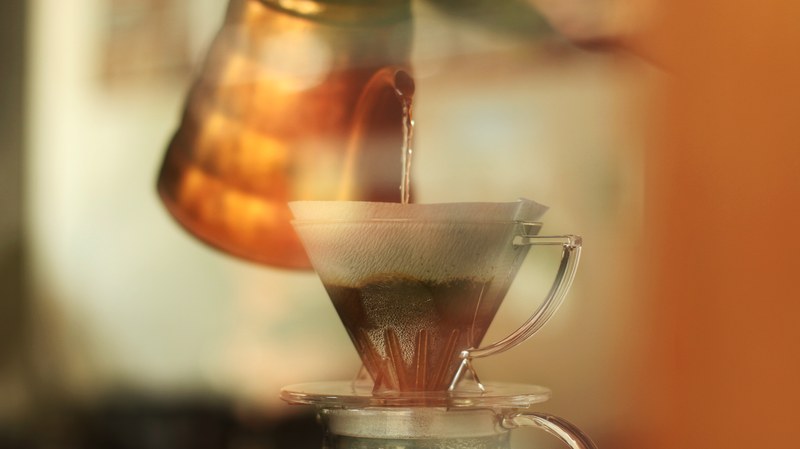
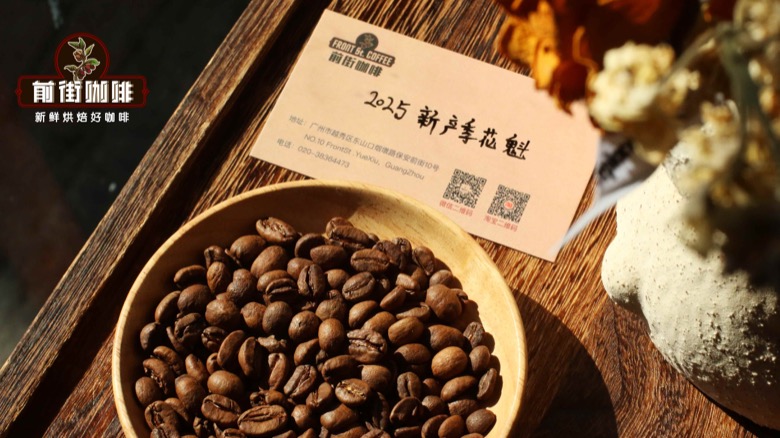
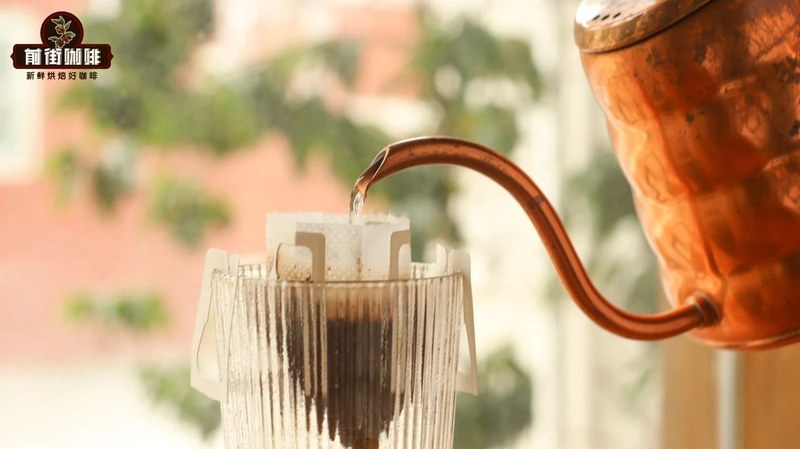
When using pour-over to get a baseline, Qianjie Ethiopia Huakui can start with 15 g of coffee grounds, 240 g of water and 91°C, with a medium-fine grind, about 30 seconds of blooming, then steady pouring in two to three stages, with the total time controlled at 2 minutes 15 seconds to 2 minutes 40 seconds. This combination easily brings out bright aromas like strawberry flesh and passion fruit juice, and also leaves a fuller fruit sweetness.
If Huakui tastes only of up-front acidity without the aroma opening up, you can tighten the grind slightly, or raise the water temperature by 1°C to 2°C, so that solubles are released more fully. If your mouth feels tight after swallowing, reduce the impact of a large stream and coarsen the grind slightly. If you want a thicker cup, adjust the coffee-to-water ratio from 1:16 to close to 1:15, rather than simply extending the final drip stage.
Qianjie Kenya Little Tomato is suited to 16 g of grounds with 250 g of water, with the water temperature at 92°C to 94°C. Use about 45 g of water for blooming, then pour in two even stages, with the total time falling between 2 minutes 40 seconds and 3 minutes, making it easier to connect fresh fruit acidity, smoked plum character and yellow sugar sweetness. Its acidity is striking to begin with; when fully extracted it tastes like fruit juice, not thin acidic water.
If you prefer a softer style, you can try Qianjie Kaffa Forest. For pour-over, start with 15 g of grounds, 250 g of water and 89°C to 91°C, with a slightly coarser grind than Kenya, and pour as gently as possible. Lower agitation helps preserve the delicate mouthfeel of orange, ripe apricot and tea-like liquor. After brewing, wait a few minutes before drinking; as the temperature drops, the sweetness and sweet finish usually become easier to identify.
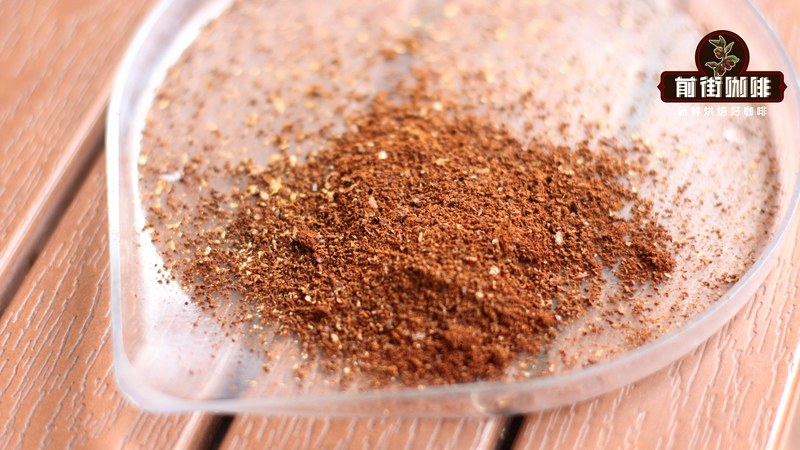
Switching to an espresso machine, for a light-roast SOE you can first extract 40 g to 44 g of coffee liquid from 18 g of grounds, in about 28 seconds to 32 seconds, with the brewing temperature at 92°C to 94°C. Keep the pump pressure at 8 bar to 9 bar; if the machine supports pre-infusion, you can arrange 3 seconds to 6 seconds of low-pressure wetting. Even distribution and level tamping are more important than simply increasing pressure, because they reduce the separation of sourness and astringency caused by local channeling.
If the espresso flows out quickly within 24 seconds, while the color is lighter and sweetness is insufficient, you can adjust the grinder one small step finer; if the pressure gauge reads high but the flow is intermittent or comes out from only one side, re-level the puck and coarsen the grind slightly. When woody bitterness and obvious astringency appear, you can lower the temperature by 1°C to 2°C, or stop the shot a few grams early, so the fruit aroma is not covered by the later flavors.
Differences should also be left between beans. For espresso, Huakui can have a liquid weight closer to 42 g, preserving the expansive tropical fruit character; Little Tomato can be extended to 44 g to 46 g, making the yellow sugar sweetness more complete; Kaffa Forest is suited to 38 g to 42 g of liquid yield, paired with a slightly lower water temperature, maintaining the tea-like feel and apricot-peach aroma. The above values are suitable as a starting line, then move the grind setting according to the actual flow rate.
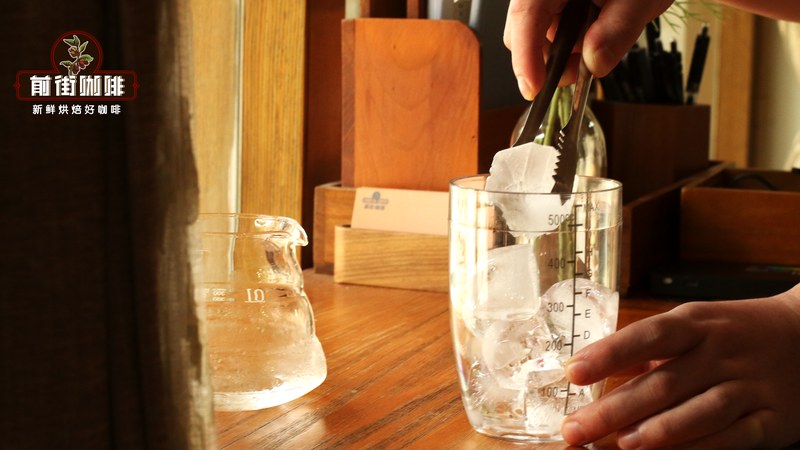
For a hot Americano, you can add one shot of espresso to two to three times its volume of hot water, at about 75°C to 85°C, which opens up the aroma without making bitterness overly prominent. For an iced Americano, prepare 80 g of ice and about 100 g of cold water, then pour in the espresso. Record the dose, liquid weight, time and mouthfeel, and by comparing several cups in succession, you can tune the acidity of SOE into a lively mouthfeel that is clear and supported by sweetness.
Related Reading
Comments (0)
Loading comments...
You May Be Interested

Trending Reviews
Popular Videos

With you, wherever you are! We provide useful features to help you find new things you'll love






