Source:Best Coffee > News Author:qjroot Published:2026-08-20 14:33:33
Extracting dark roast coffee beans is significantly different from light and medium roasts. The core idea is to fully release the caramel sweetness and chocolate richness while controlling the amount of bitter compounds extracted, so the cup presents a balanced layer of bitterness and sweetness. The structure of dark roast beans has undergone longer high-temperature development, making the fibers looser and the soluble compounds release faster, so the extraction parameters need to be adjusted accordingly to match the physical characteristics of the beans.
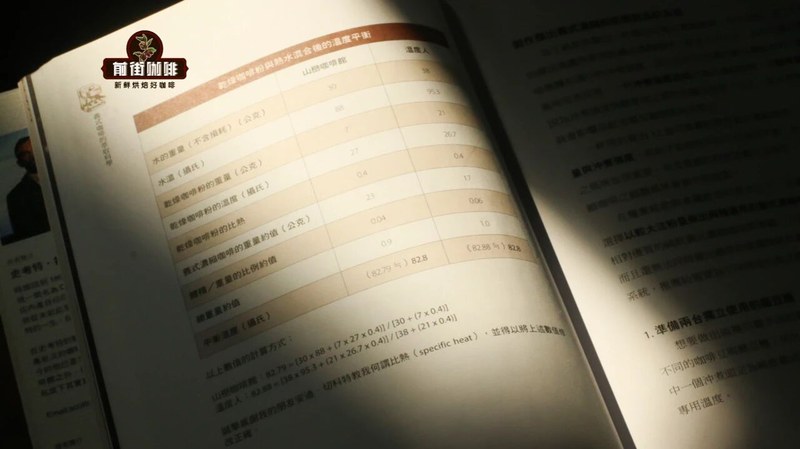
Water temperature is the primary adjustment variable in dark roast extraction. Light roast beans usually use a high temperature of 90-93°C to bring out floral and fruity aromas, while dark roast beans are better suited to a range of 85-88°C. A lower water temperature can effectively slow the extraction rate of bitter compounds, allowing caramel sweetness and chocolate flavors to be released first, while suppressing the extraction of bitter compounds in the later stage. In practice, using a temperature-controlled pour-over kettle or starting the pour after the water temperature drops to the target value can both achieve more stable results. If the brewed coffee has obvious burnt bitterness or smoky off-flavors, try lowering the water temperature by 2-3°C to improve it.
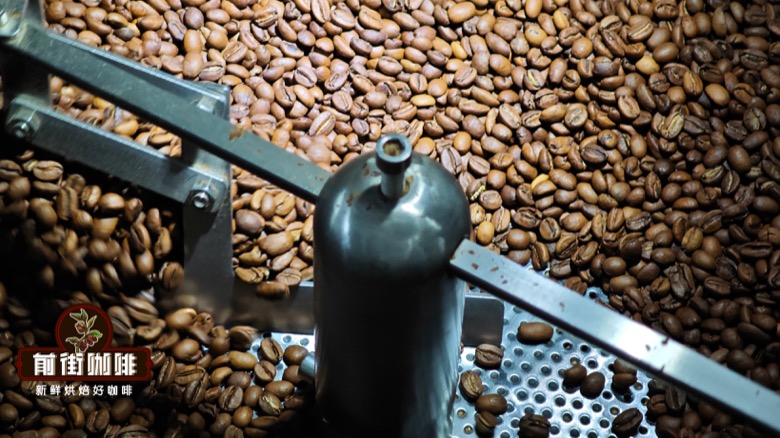
In terms of grind size, dark roast beans are suited to a setting one step coarser than light and medium roasts. Because dark roast beans are loose in texture and extract quickly, too fine a grind will increase water flow resistance, prolong extraction time, and easily bring out too much bitterness. A medium-coarse grind maintains a reasonable flow rate, allowing extraction to complete within an appropriate time. An intuitive way to judge whether the grind size is suitable is to observe the brewing time - a total pour-over time of 2 to 2 minutes 30 seconds, or espresso extracting 25-30ml of liquid in 25-30 seconds, is usually a more balanced range.
When brewing dark roast beans as pour-over, staged pouring is a common strategy. First bloom with a small amount of hot water for 20-30 seconds, allowing the coffee grounds to fully degas and saturate, then pour in 2-3 stages up to the target liquid volume. After each pour, wait for the liquid level to drop appropriately before adding more, which effectively controls the extraction rhythm and allows sweetness and rich layers to be released gradually. As for the coffee-to-water ratio, 1:14 to 1:16 is the common range for dark roast pour-over. A stronger ratio highlights the thick mouthfeel of chocolate and caramel, while a slightly lighter ratio makes the cup cleaner with more pronounced sweetness in the finish.
Espresso extraction of dark roast also requires fine-tuning of parameters. While keeping the dose stable, adjusting the grind slightly coarser and controlling the extraction time to 25-30 seconds yields an espresso with rich crema and prominent sweetness. If drinking it alone feels too bitter, it can be paired with milk to make a latte or flat white. The balanced bitterness and sweetness of the dark roast blends with the milk fat to create a softer, rounder mouthfeel with clearer layers.

The process of adjusting dark roast extraction parameters is essentially about finding the balance point between sweetness and bitterness. Starting with the two core variables of water temperature and grind size, gradually fine-tune to a parameter combination that suits your own taste. Each small adjustment brings subtle changes in the cup's flavor, and the process itself is full of enjoyment.
Related Reading




Comments (0)
Loading comments...
You May Be Interested



Trending Reviews
Popular Videos

With you, wherever you are! We provide useful features to help you find new things you'll love






