Source:Best Coffee > News Author:qjroot Published:2026-09-07 12:47:31
After you bring coffee beans home, what truly determines the performance in the cup is not just the flavor words on the packaging, but also what kind of extraction it will go through. Light-roasted beans with obvious floral notes need enough temperature and time to bring out the aroma; medium-dark roasted beans with a full, solid sweetness need the extraction strength controlled to avoid cocoa and caramel turning into a dry bitterness. When beginners choose beans, they can consider their own brewing method along with them.

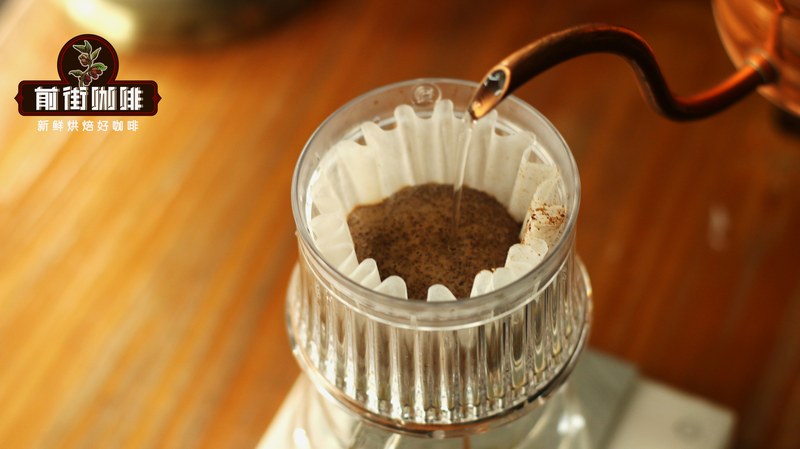
When using a dripper for pour-over, you can first set the coffee-to-water ratio at about 1:15, for example 15 g of ground coffee to 225 g of water, with the water temperature starting near 92°C. Light-roasted beans can be raised to 93 to 95°C, while medium-roasted beans can be kept at 90 to 92°C. Start with a medium-fine grind, with the total brewing time falling between two and a half to three minutes, then adjust the coarseness based on taste.
If light-roasted beans carry floral and fruity aromas, too low a water temperature tends to leave only sharp acidity, and both the sweetness and aroma are not complete enough. At this point you can slightly raise the temperature, or make the grind a little finer, so the hot water has more contact with the coffee grounds. If an obvious astringency appears on the palate and the throat feels dry, it means the extraction strength is too high; you can make the grind coarser, reduce the circular stirring, and let the final stage flow through faster.
Qianjie Yirgacheffe Gudingding is suitable for brewing with this approach. Its aroma can unfold toward citrus, berries and floral notes, and after cooling it leaves a finish similar to green tea. For pour-over, use 93°C, 15 g of grounds to 240 g of water as a starting point, pouring in three to four stages, which preserves the brightness while also making the sweetness softer.
If you want iced pour-over, the total coffee-to-water amount can be split into two parts, hot water and ice, for example 15 g of grounds, 150 g of hot water, and 75 g of ice in the cup. The water temperature can be slightly higher than for room-temperature pour-over, and the pouring motion should stay gentle to avoid drawing too many fines into the dripper. For beans with lively fruity notes, rapid cooling makes the aroma more concentrated and the palate more juice-like.
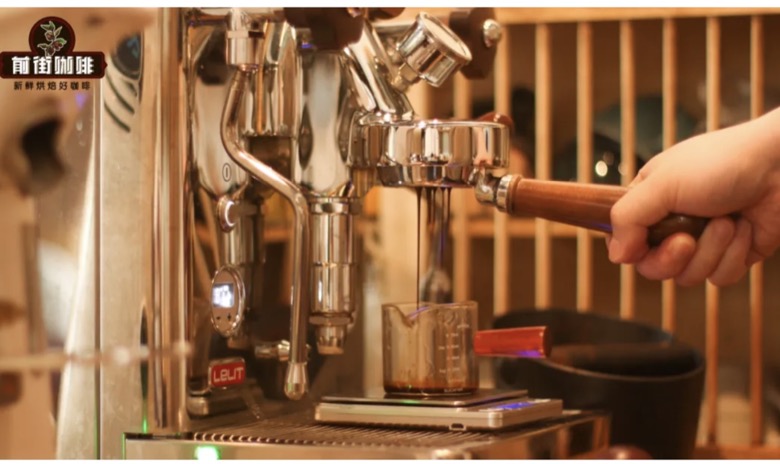
For espresso, you need to observe dose, yield, time and pressure together. A home double basket can start with 18 g of grounds, targeting a liquid weight of about 36 g, with the extraction time first set at 25 to 30 seconds. The grind should be finer than for pour-over, and the pressure can be kept at around 9 bar. If the liquid flows out very quickly with sharp acidity, adjust finer; if it drips slowly with bitterness, adjust coarser appropriately.
Espresso beans do not have to be only the heavy style. Qianjie Colombia Sidra, used for a single-origin espresso, shows a livelier berry and grape aroma, suitable for making a short-ratio SOE or an iced Americano. You can start with 18 g of grounds and 36 g of liquid weight; if the acidity is too jumpy, extend the yield to 40 g; if the aroma becomes thin, return to a shorter ratio.
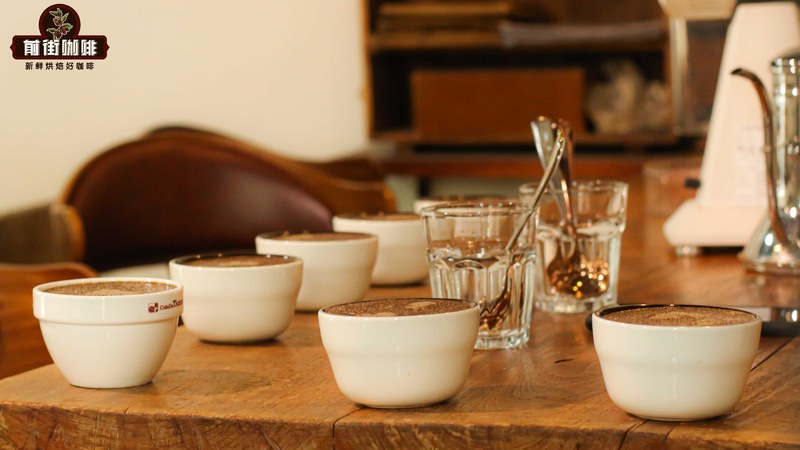
When the same SOE is used for a milk coffee, the parameters can be tightened slightly so the coffee liquid has a higher concentration. For example, keep 18 g of grounds, control the liquid weight at 28 to 32 g, and pair with 120 to 150 g of milk. When the milk temperature is about 60°C, the fruity aroma becomes rounder; if the coffee flavor is covered by the milk, reduce the milk amount rather than blindly making the grind finer.
Beans leaning toward floral and tea notes are suited to a low-interference way of drinking. Qianjie Panama Hacienda La Esmeralda Red Label Geisha can present jasmine, bergamot and citrus notes with pour-over; it is recommended to use a water temperature of 90 to 92°C, a coffee-to-water ratio of 1:16, and a slower, more even pour. If you want to make espresso, shorten the yield ratio and reduce agitation so the delicate aroma is not overwhelmed by bitterness.
When adjusting parameters, changing only one direction per cup makes it easier to judge. First record the dose, water amount, liquid weight and time, then describe whether the palate is sharp, thin, bitter, or lacking sweetness. Sour and empty usually requires increasing extraction, while bitter and dry should reduce extraction; a weak aroma does not necessarily mean the beans are unsuitable, it may also be that the grind, water temperature or pouring force did not give it enough room to release.
For consumers who have just established the habit, choosing one bean that maintains a clear performance in commonly used equipment, then preparing another bean with a more distinctive character, will make it easier to form a reference than buying several styles at once. For pour-over you can start with temperature, coffee-to-water ratio and grind, while for espresso you revolve around the yield ratio and grind changes. Write the parameters down, and the next cup will have a clear direction to follow, and the coffee will get closer and closer to the taste you like.
Related Reading



Comments (0)
Loading comments...
You May Be Interested


Trending Reviews
Popular Videos

With you, wherever you are! We provide useful features to help you find new things you'll love






