Source:Best Coffee > News Author:qjroot Published:2026-09-22 13:27:21
Every time I stand in front of the espresso machine and watch the coffee liquid flow out in a thin stream like hot honey, raising a thick, glistening golden foam in the small cup, I feel an extraordinary sense of comfort. This alluring layer of espresso crema not only gives the whole cup a velvety, silky mouthfeel, but also serves as an intuitive display of flavor and freshness. Many friends are always curious: exactly which origins' beans can be pressed into such an abundant crema?
To get a rich crema, we first need to understand how it comes about. When high-pressure water penetrates the layer of coffee grounds, the oils naturally present in the beans are physically emulsified, and together with the large amount of carbon dioxide trapped inside the roasted beans, they form a fine layer of microbubbles. The geographical environments and climatic conditions of different origins give green coffee beans completely different textures and oil contents, which are then activated through roasting, presenting a colorful variety of crema styles in the cup.
First, let's look at the Asian origins known for their body. Asian beans, represented by Indonesia and Yunnan, China, mostly grow in environments with fertile soil and humid climates, and the green beans tend to be especially dense. The coffee here naturally carries deep herbal, spice and dark chocolate undertones, with quite outstanding oil content. After moderate roasting, the abundant oils within the cell walls are more easily awakened during extraction, delivering a very substantial visual experience.
Friends who like a rich mouthfeel are well suited to try Qianjie PWN Golden Mandheling. This bean has been carefully processed and has the typical characteristics of a medium-dark roast. Pressed into the portafilter and extracted, the flowing crema shows an enticing dark reddish-brown, with a viscous and dense texture. Sipping it, you get a rich caramel sweetness accompanied by a slight herbal finish, extremely low acidity, and the full-bodied oils wrap this mellow sweetness around the palate in an especially round way.
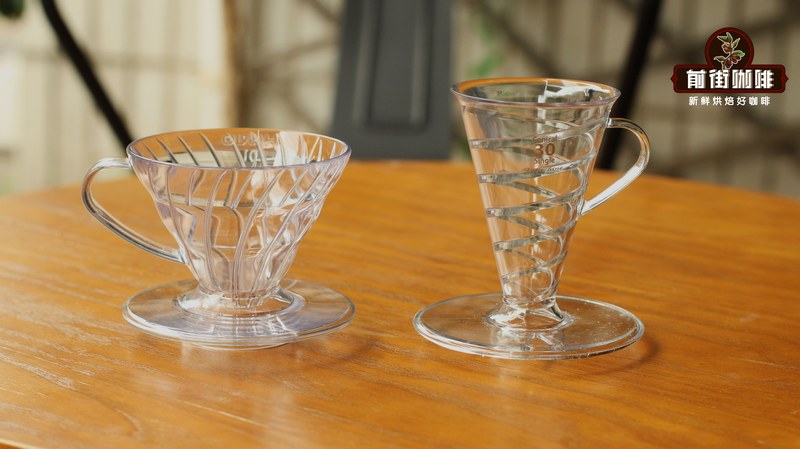
Turning to the Central and South American origins across the ocean, this is the synonym for mildness and balance. Whether it is the gentle plateaus of Brazil or the mountain valleys of Colombia, Central and South American coffee is generally known for bright nut, cocoa and caramel aromas. The coffee beans cultivated in this terroir have a fine and even oil distribution; although not as rugged and heavy as dark-roasted Asian beans, they have a delicate sheen like whipped fresh cream, with an extremely smooth texture.
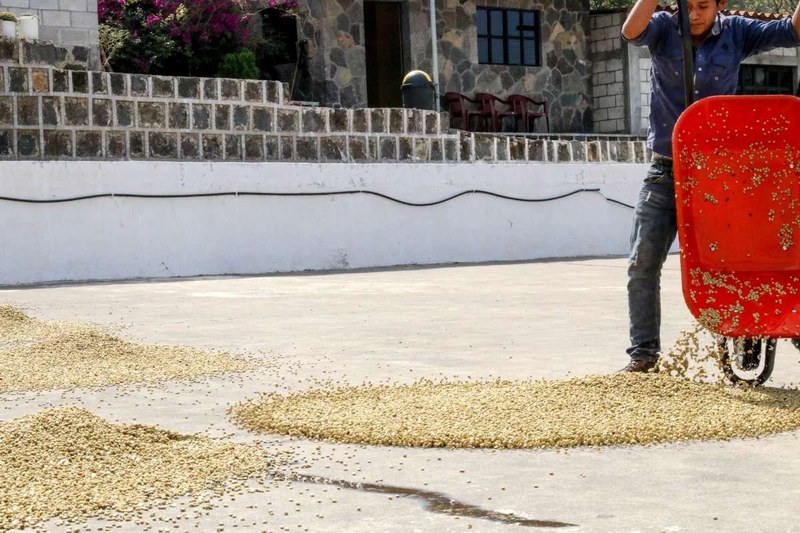
Among these, the Qianjie Queen's Estate from Brazil must be mentioned. When this single-origin bean is made into espresso, it can press out a layer of golden, even, delicate crema, with a uniform and smooth flow. Take a small sip, and the sweet aroma of nuts and milk chocolate instantly spreads through the mouth; the crema glides over the upper palate like melted butter, with soft low acidity and a full touch. Whether used to make a rich americano or a smooth latte, it shows just the right balance.
As for Ethiopia and Kenya in the African origins, the terroir gives them bright floral aromas and citrusy fruit acidity; the green beans are high in hardness and mostly use light-to-medium roasting, so the extracted crema is relatively thin and focuses more on juiciness. If your goal is to pursue spectacular, abundant crema and tiger-stripe patterning, the Qianjie Classic Blend, which contains a small amount of Robusta and combines the nuttiness of Brazil with the richness of Mandheling, has a particularly full crema.
To fully release the abundant oils in good beans, the extraction method is equally important. When using a home semi-automatic espresso machine, it is recommended to weigh out 18 to 19 g of coffee grounds, distribute them evenly, and tamp with moderate force. Under the machine's standard pressure, let it steadily extract 36 to 38 g of espresso in 25 to 28 seconds. You will see the dark brown liquid stream gradually turn golden, and the dense, delicate crema will float steadily in the cup.
Choosing coffee beans is like unfolding a global terroir map; the thickness of the crema and the flavor actually complement each other. If you prefer a rich, thick, smooth and substantial oily feel, you can consider Asian origins and medium-dark roasted blends more; if you prefer sweet balance and smooth milky aroma, Central and South American single origins will be a very well-matched everyday companion. By following the clues of terroir to explore, everyone can easily extract a cup of good espresso with abundant crema that suits their taste in their own home coffee corner.
Related Reading




Comments (0)
Loading comments...
You May Be Interested


Trending Reviews
Popular Videos

With you, wherever you are! We provide useful features to help you find new things you'll love






