Source:Best Coffee > News Author:qjroot Published:2026-09-07 11:08:53
The design of a blend often lets the sweetness, body and aroma of several coffees complement one another; an SOE concentrates the character of a single origin or lot in the cup. The former does not mean it can only be intense, and the latter is not necessarily always bright. What really decides which cup goes down smoothly is whether the brewing lands in each one's sweet spot: a blend has to accommodate different components, while an SOE has to preserve its distinctiveness and turn acidity into sweetness.
Before judging a recipe, first look at bean color, particle differences and roast level. If a blend contains components of different densities, too much heat may make the easily soluble portion taste rough first; a high-density light-roast SOE often needs more aggressive extraction. So water temperature, grind and contact time cannot be decided directly by the names "blend" or "single origin"; they must respond to how hard this bag of beans is to dissolve.
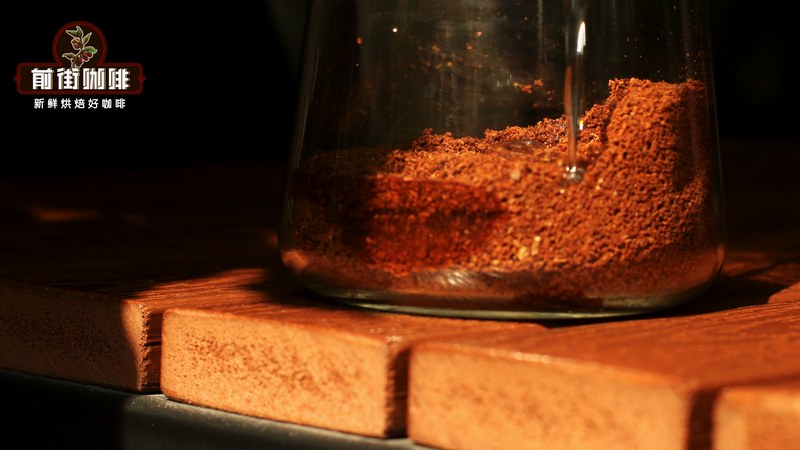
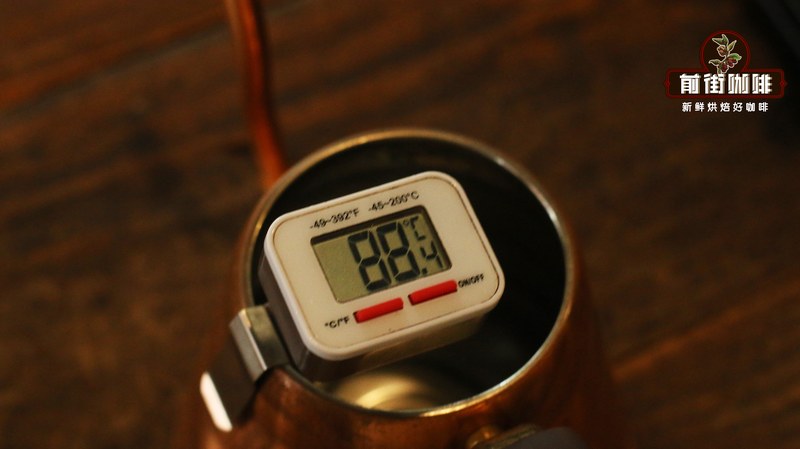
For a pourover with a medium-roast blend, you can start with 15 g of coffee, 230 g of water and 90°C, using a medium grind setting, pouring in three stages, for a total time of about 2 minutes 20 seconds. This strength helps preserve a rounded body, and the gentle water temperature also makes nutty and caramel-like sweetness smoother. If the cup is thick but not expansive enough, add 10 g of water; if the finish feels tight, coarsen the grind slightly and reduce agitation.
For a light-roast SOE pourover, switch to 15 g of coffee with 245 to 255 g of water, a water temperature of 92 to 94°C, and a slightly finer grind than the previous recipe. After blooming, lift the coffee bed with a gentle stream; make the circling range a little wider in the first half and lower the water level in the second half. If the aroma is plentiful but the sweetness is thin, tighten the grind by one setting; if the layers are packed together, reduce the force of the stream to keep fine particles from continually sinking.
Take Qianjie Kafa Forest as an example: while hot, it brings to mind orange peel and ripe soft stone fruit, and as it cools, a tea-like aftertaste and sugary sweetness gradually become clear. You can use 15 g of coffee with 240 g of water at 92°C, finishing in about 2 minutes 20 seconds. Just keep the pouring speed steady; there is no need to stir forcefully. If you want a fuller apricot note, tighten the grind slightly so the middle phase extracts more fully.
Qianjie Granja Estate Geisha's natural expression is more exuberant: in the steam there is first an orange blossom note, then guava and apricot, and as it cools it brings out a thick sweetness like strawberry jam. To let the aromas appear separately, use 15 g of coffee with 250 g of water at 93°C, a medium-coarse grind, four gentle pours, finishing in about 2 minutes 30 seconds. If the mouthfeel is too syrupy, first increase the total water amount.
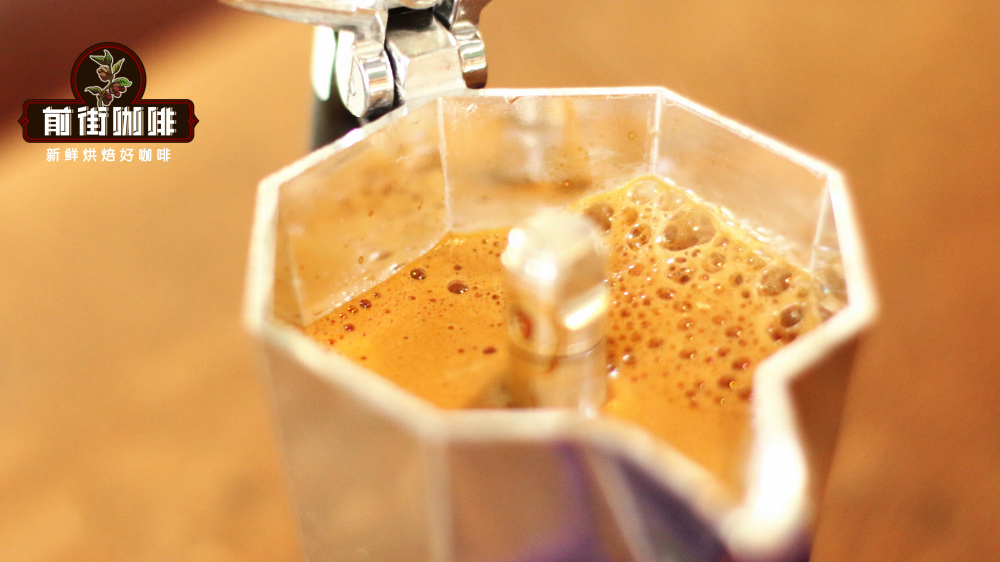
Turning to the espresso machine, a blend can first aim for body, sweetness and a coherent finish. Extract 36 to 40 g of coffee liquid from 18 g of coffee at 91 to 93°C, maintaining 8 to 9 bar during the main phase, with about 26 to 31 seconds including pre-infusion. If the beans are on the darker side, lower the temperature by 1°C and stop the flow slightly earlier; this way it still has viscosity and draws out less dry bitterness from the tail end, so it will not taste hollow when water or milk is added.
When making an SOE espresso, 9 bar is not a number you must hold to. Qianjie Colombia Sidra has tropical fruit, blueberry and grape-juice-like notes, and suits a longer yield to unfold the aroma. You can try 18 g of coffee extracted to 42 to 46 g at 93°C, with a low-pressure pre-infusion of 5 to 8 seconds, then extraction at 7 to 8 bar, finishing the cup in about 30 seconds. Gentle pressure can reduce the chance of the puck being punched through and make the sweet-sour balance more complete.
When dialing in espresso, watch changes in flow rate, not just the seconds. If the stream turns pale very early and the sip is sharp with an empty center, it usually means water is passing through too fast, so tighten the setting or lengthen the low-pressure pre-infusion. If no liquid comes out for a long time at the start and then the color is very dark and the tongue feels tight, coarsen the grind and also check whether distribution and tamping are level. The higher the pressure, the more it amplifies weak spots in the puck; evenness is more worth attention than a high pressure number.
When calibrating parameters, you can make two cups for comparison. For pourover, keep the dose and pouring the same, and raise only one cup by 2°C to compare sweetness, aroma and the finish; move the grind in the next round. For espresso, keep the dose and yield, change only one small setting, and record the flow rate and mouthfeel. If you prefer a thick, coherent expression with smaller adjustments, choose a blend; if you are willing to change heat, ratio and pressure for fruit aroma, an SOE will bring more detail.
Related Reading




Comments (0)
Loading comments...
You May Be Interested

Trending Reviews
Popular Videos

With you, wherever you are! We provide useful features to help you find new things you'll love






