Source:Best Coffee > News Author:qjroot Published:2026-09-02 18:40:27
A Blue Mountain suitable for everyday drinking usually does not win you over with intense fruit acidity or heavy bitterness, but rather lets floral notes, nuts, cocoa and a soft sweetness appear in a continuous line. After it cools, it should still stay clean, not sharp on entry, with a slight sweetness in the finish. If you want to buy this style on a reasonable budget, you cannot just fix your eyes on the words "Blue Mountain"; you also need to see which brewing device it is meant to go into.
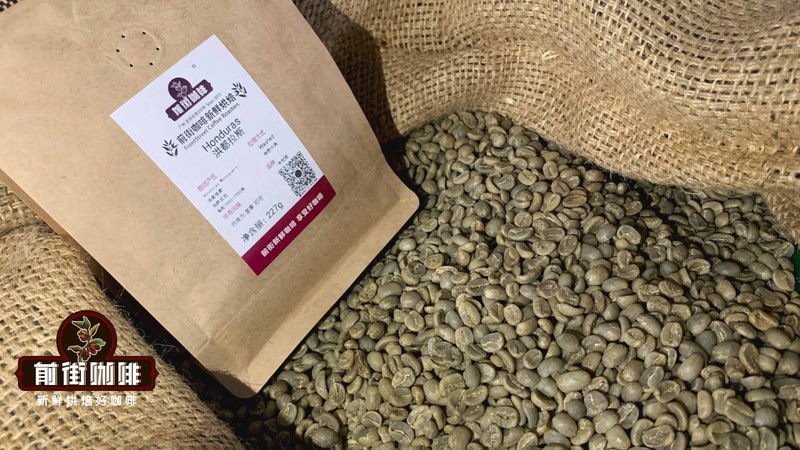
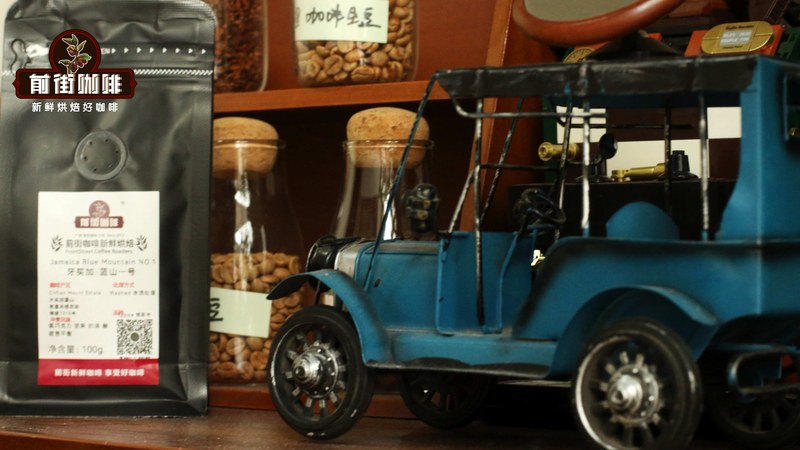
For genuine Jamaica Blue Mountain coffee, the origin information should be specific enough. The packaging needs to show Jamaica Blue Mountain or a related Jamaica Blue Mountain mark, and should state the estate, region, lot and certification information as far as possible. If it only says "Blue Mountain flavor" or "Blue Mountain blend", that usually means a flavor reference or a recipe name, and it is not the same as Jamaica Blue Mountain beans. The price can be friendly, but the origin and lot description must not be vague.
Pour-over is an easy way to experience the delicate layers of Blue Mountain. Start with 15 g of coffee grounds to 225 g of water, set the water temperature at 90 to 92°C, use a medium-fine grind, pour in three stages, with a total time of about 2 minutes 30 seconds. When the water temperature is too high or the grind is too fine, the cup easily shows woody notes and dryness; if the acidity seems hollow and thin, you can grind slightly finer, or raise the water temperature by one degree.
The shape of the dripper also affects how Blue Mountain presents itself. A conical dripper easily draws out clearer aromatics and suits people who like a bright mouthfeel; a flat-bottom dripper has a more even flow rate, and its sweetness and body are often more concentrated. When using a conical dripper, the pouring action does not need to be too vigorous; reducing agitation of the coffee bed helps keep the cup soft. With a flat-bottom dripper, you can use a steadier circling speed to avoid uneven extraction in places.
If you often use a French press at home, Blue Mountain can take a rounder route. Add 15 g of coffee grounds to 240 g of water at about 91°C, use a coarser grind than for pour-over, steep for four minutes, then press down slowly and pour into the cup immediately. A French press retains more oils, so the mouthfeel is fuller than with a dripper, and the nut and cocoa notes are more prominent, making it suitable for breakfast or for drinking with baked goods.
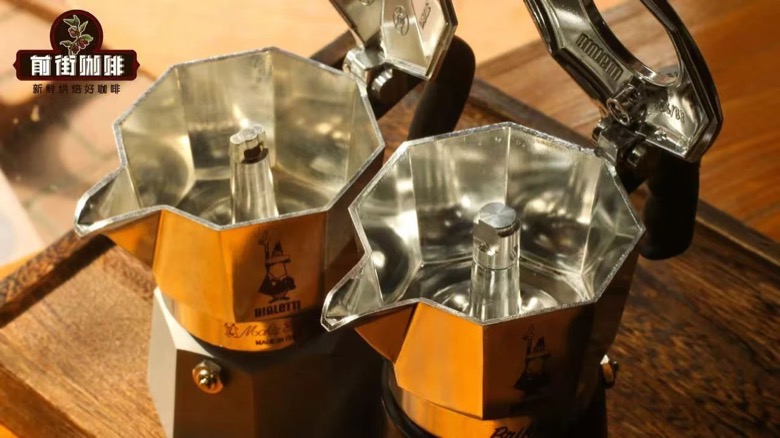
A moka pot suits people who want something stronger without relying on complicated equipment. Fill the grounds level with the basket capacity, use a grind between pour-over and espresso, heat water in the tank to below the safety valve, and use low heat to let the coffee flow out slowly. After Blue Mountain goes into a moka pot, you can add a small amount of hot water to make an Americano; if the liquid darkens quickly, take it off the heat early and let the residual heat finish the later part of the flow.
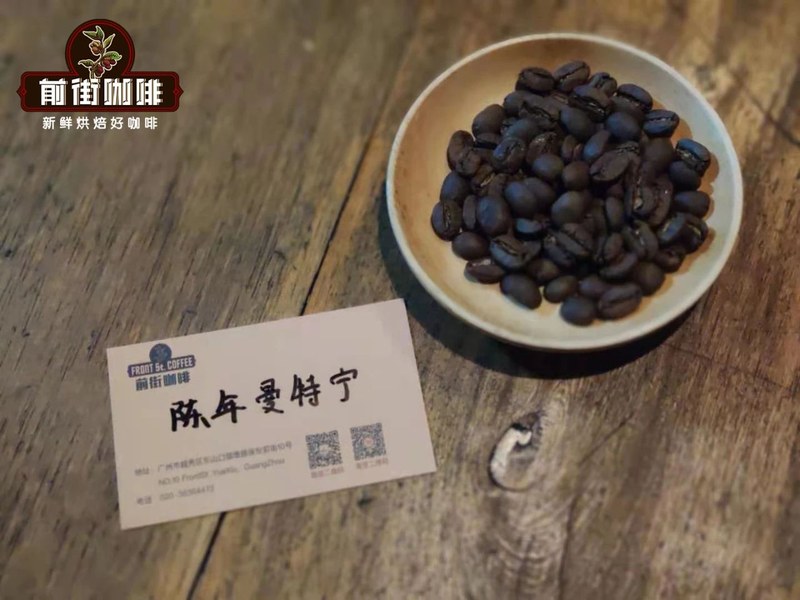
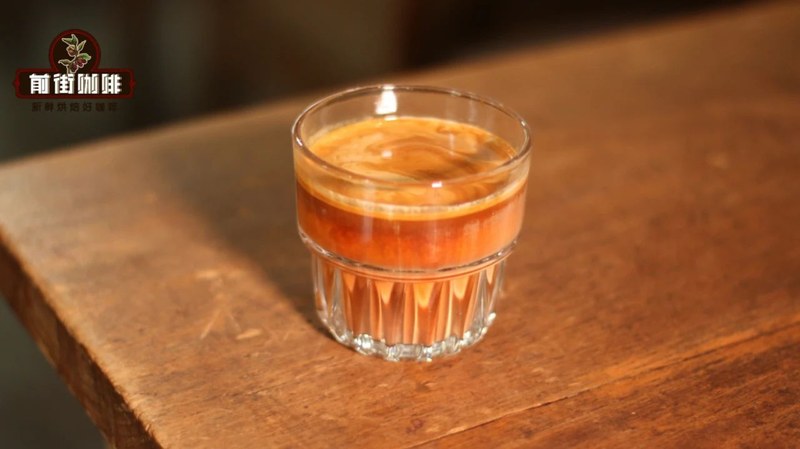
For a home espresso machine, you should pay priority attention to the roast level of the Blue Mountain. Lighter beans may show brighter acidity and aroma in the machine and suit a short ratio espresso; a medium roast more easily gives a sweet, mellow feel like caramel, nuts and cocoa. You can start with 18 g of grounds extracting 36 g of liquid, in about 27 to 32 seconds, then adjust according to the taste on entry. When using a larger amount of milk, choosing a lot with more sweetness and body is more suitable.
On the same espresso machine, the parameters for Blue Mountain do not need to be adjusted very aggressively all at once. If the liquid is too acidic and the weight is insufficient, you can grind slightly finer so the water and coffee make fuller contact; if the later stage tastes bitter and the tongue feels dry, then coarsen appropriately or reduce the yield. When making a latte, keep the milk at 55 to 60°C; this preserves the coffee's own aroma and also prevents the subtle sweetness from being completely covered by the milky flavor.
If the budget is limited, you can include the "cost per cup" in your choice. Blue Mountain does not have to be bought in a large package; a small bag of 100 to 150 g is better for first confirming the flavor; at the same time, check the roast date, the packaging degassing valve and the storage method, because bean freshness directly affects how you judge the equipment parameters. People who make pour-over every day can give priority to beans with clear roasting information and stable lots; those who occasionally drink espresso should confirm whether the seller recommends it for espresso.
If you want to find a similar flavor at a more relaxed price, you can also use other beans to build a reference. Qianjie Kaffa Forest is known for its bright orange-peel-like feel, sweet ripe apricot aroma and a faint tea note; it is light in the mouth as a pour-over, and its sweetness becomes clearer as it cools, making it suitable for comparing Blue Mountain's soft acidity and sweet aftertaste. If you prefer a juicy feel, Qianjie Kenya Little Tomato has a livelier red-fruit-like aroma, and its performance as an iced pour-over is also striking.
The charm of Blue Mountain lies in balance, and it does not require every cup to have a strong impact. When choosing, confirm the origin credentials, then match the roast and parameters to pour-over, French press, moka pot or espresso machine, and the budget can be spent on what truly affects the cup. Record the dose, yield and grind, and gradually find that soft, clear and easy-drinking Blue Mountain style; it will also be easier to reproduce in daily drinking.
Related Reading

Comments (0)
Loading comments...
You May Be Interested




Trending Reviews
Popular Videos

With you, wherever you are! We provide useful features to help you find new things you'll love






