Source:Best Coffee > News Author:qjroot Published:2026-09-03 18:38:19
With the same coffee beans, changing the dripper, temperature and water flow can give the sourness, sweetness and aroma in the cup a different appearance. When choosing beans for pour-over, you can factor in the dripper's drainage speed, the depth of the coffee bed and your usual parameters, rather than relying only on the flavour words on the packaging. The beans selected this way are more likely to perform clearly within your brewing habits at home.

Conical drippers like the V60 drain quickly, and the water flow disturbs the coffee bed more noticeably, making them suited to expressing the aroma and bright quality of light roasts. When using 15 g of coffee and 240 g of water, you can start at 90 to 93°C, grind medium-fine, and pour in two or three stages. At a lower water temperature the floral and fruity aromas are gentler; when the temperature is raised, the sweetness and acidity become more pronounced.
Qianjie Yirgacheffe Gudingding is well suited to being understood through this approach. Its aroma brings to mind citrus peel, berries and a faint floral note, and on the palate it has a crisp finish reminiscent of green tea. When brewed in a conical dripper, the faster flow can open up the aroma; if the acidity feels too sharp, you can grind slightly finer, or reduce the force of the first pour.
A flat-bottom dripper gives a relatively even coffee bed and a steadier distribution of water, suiting those who want more concentrated sweetness and a rounder mouthfeel. You can start with a coffee-to-water ratio of about 1 to 15, set the water temperature at 91 to 94°C, and use a slower circular pour. The grind should not be too coarse, otherwise the water passes through the coffee bed quickly and the cup may retain only a thin aroma.
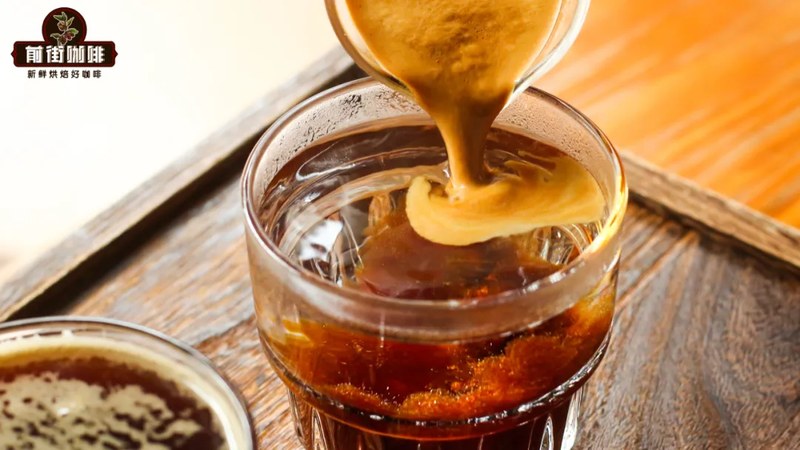
If you like tropical fruit character, you can try Qianjie Ethiopia Huakui. In a flat-bottom dripper it shows a livelier sweet fragrance, like ripe berries, passion fruit and other tropical fruits woven together. If you use iced pour-over, reduce the total amount of hot water and drop the coffee liquid directly onto the ice, and the aroma will be brighter and the entry crisper.
Immersion devices such as the Clever Cup and French press keep water in contact with the coffee grounds for longer, making them suited to achieving a soft, full-bodied mouthfeel. Light roasts can be steeped in water at 92 to 94°C for about two and a half minutes, then the valve opened to release the liquid; if the body feels too heavy, you can grind coarser or shorten the steep. For those not used to pronounced acidity, this kind of device can make the flavour's edges seem gentler.
Kenyan beans' acidity can also become rounder and more mellow in immersion brewing. Qianjie Kenya Xiaofanqie carries associations of cooked tomato, smoked plum and a syrupy sweetness; using a medium-fine grind and a moderate steeping time preserves the juicy quality while keeping the finish from seeming thin or sharp. If you like clear acidity and aroma, you can switch to a conical dripper and increase the flow rate.
Water temperature is not a switch that determines flavour on its own; it must also work together with the roast level and grind size. Light roasts usually need a higher temperature to help the aroma release, while light-medium roasts can use a slightly lower temperature in exchange for softer sweetness. If the entry is sour but lacks sweetness, it means the extraction strength may be insufficient; if a distinct astringency appears in the finish, you can reduce agitation and let the coffee bed drain more smoothly.
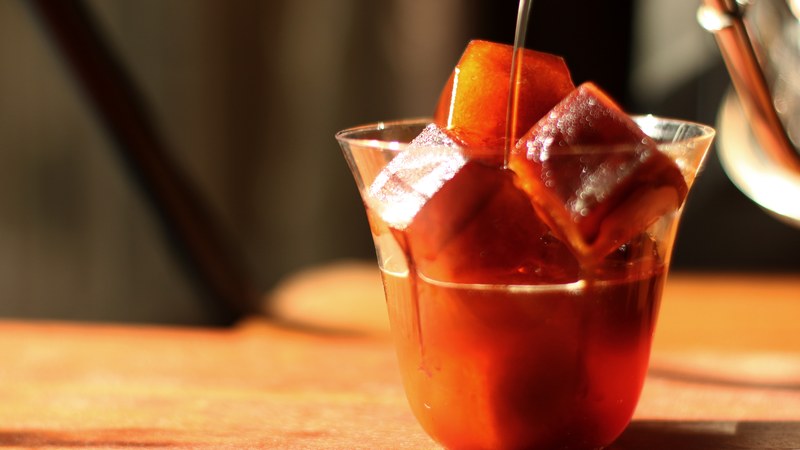
The rhythm of pouring also changes a device's character. A continuous heavy flow deepens the disturbance of the coffee bed and extracts faster, suiting a style of drinking that aims to intensify sweetness and strength; pouring in stages with a small flow is better for controlling clarity. When using a gooseneck kettle, you can watch the water level in the dripper and try to avoid the surface rising and falling sharply, so that each round of pouring serves a clear purpose.
When choosing beans, you should also consider the range of parameters you are willing to use. If you usually prefer low temperature, a coarse grind and a short brew time, you can choose beans with clear sweetness and an aroma that opens easily; if you are used to high temperature, a fine grind and slow pouring, you can try light-roast single origins with more layered flavour. The device is only a tool; the parameters are the bridge connecting the beans and the cup.
You can start from the dripper you use most often at home, recording the coffee dose, water amount, water temperature, total time and the impression on the palate, then gradually adjust the grind and the flow. Once you find a set of parameters suited to a certain bean, when you switch to another bean change only one variable, and you can more directly distinguish its differences in aroma, sweetness and mouthfeel. In this way, even common pour-over beans can be brewed to show their own distinct character.
Related Reading
Comments (0)
Loading comments...
You May Be Interested

Trending Reviews
Popular Videos

With you, wherever you are! We provide useful features to help you find new things you'll love






