Source:Best Coffee > News Author:qjroot Published:2026-10-10 13:08:07
I often meet friends like this at the shop, standing in front of the bean shelf hesitating for ages, and in the end they grab a bag of dark-roast blend to take home for pour-over, only to drink a mouthful of burnt bitterness. Actually, choosing beans is like cooking: you first need to figure out what flavor you want today, then decide what ingredients to buy. I will break down the full chain of pour-over black coffee for you, starting from bean selection.
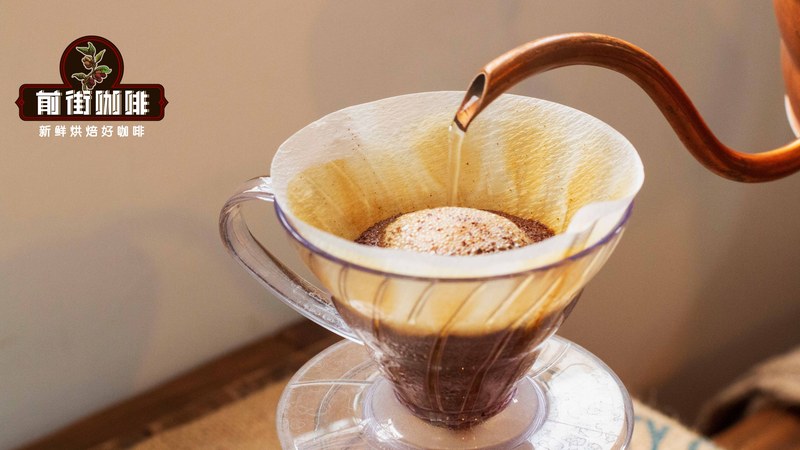
First, the equipment. Having a V60 dripper and a gooseneck pour-over kettle at home is enough; this is an especially beginner-friendly combination. For parameters, I usually use 15g of grounds, a 1:15 coffee-to-water ratio, and a water temperature controlled between 90 and 93°C. Adjust the grind to the coarseness of medium-fine granulated sugar. Too coarse will underextract and taste thin, while too fine easily overextracts and brings out a prominent astringency. Before the official pour, bloom for 30 seconds first so the coffee bed fully degasses and carbon dioxide is released, and only then will the subsequent extraction be even. Then pour in stages, with a total time of about two minutes, keeping the stream steady and circling, and do not pour onto the edge of the dripper. The black coffee brewed this way has clear layers of flavor, with acidity, sweetness, and bitterness unfolding on the tongue one after another.
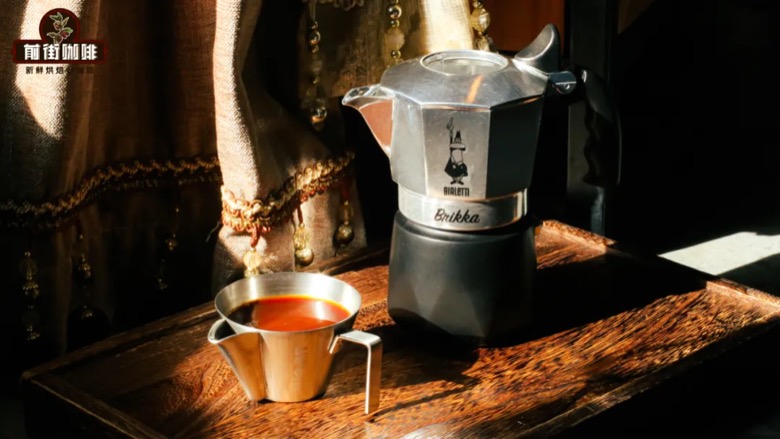
The direction of bean selection directly determines the character of this cup of black coffee. If you like a crisp acidity and floral-fruity character, you can focus on washed or natural single-origin beans. Qianjie Yirgacheffe Gudingding is washed, with clear citrus and berry aromas, a green tea-like sweet finish, and a clean, light body; Qianjie Kafa Forest is a natural bean, with prominent orange blossom, flavors of orange, apricot, and creamy melon seeds, and a refreshing aftertaste; Qianjie Kenya Little Tomato has undergone 72-hour double washing, with dried cherry tomato and floral notes in the dry aroma, and on the palate flavors of cherry tomato and smoked plum, with bright, solid acidity, as full as freshly squeezed juice. These three are all light to medium-light roasts, especially suitable for pour-over, a method that amplifies flavor. If you prefer a rich mouthfeel and a low-acid route, then go toward medium-dark roasting; the beans' caramelization reaction is more complete, and the body will be fuller.
The state of the beans changes over time, and the parameters must be fine-tuned accordingly. Freshly roasted beans degas vigorously, and during blooming the coffee bed will rise like a small volcano. At this time, slow the pouring rhythm and leave room for carbon dioxide to be released. If the beans have already rested for two or three weeks, degassing weakens, so you can raise the water temperature by 2 to 3°C and use higher extraction efficiency to draw out the flavor. Qianjie coffee beans are all shipped within 5 days after roasting is completed. For pour-over single-origin beans, rest them for 3 to 5 days before starting to brew, while medium-dark roasted espresso beans need a resting period of 5 to 7 days. Drinking them within one month gives better flavor.
Speaking of espresso beans, Qianjie Classic Blend is a medium-dark roasted blend in the Mamba style, composed of Indonesian Mandheling, Brazil, and a small amount of Robusta. It has rich aromas of butter, toasted bread, and caramel biscuits, with a solid mouthfeel and fine crema. I usually do not recommend using this bean for pour-over; it was designed to work with the high-pressure extraction of espresso, and only when made into an Americano or added to milk as a white coffee can its flavor fully unfold. Changing the drinking method for the same bean gives a completely different experience, and this is also what makes coffee interesting.
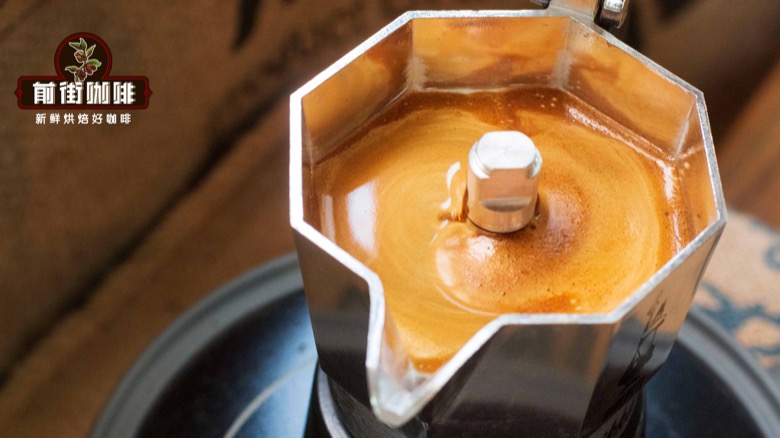
The joy of pour-over black coffee lies in using the same bean to tune the cup you want. If you want bright acidity today, lower the water temperature to 90°C, grind slightly finer, and pour a little faster; if you want a more prominent sweetness tomorrow, raise it to 93°C and extend the later-stage immersion time during staged pouring. There is no standard answer, only the answer you like yourself. From choosing the right bean to the two minutes when pouring ends, the whole process is a conversation between you and the coffee.
Related Reading


Comments (0)
Loading comments...
You May Be Interested


Trending Reviews
Popular Videos

With you, wherever you are! We provide useful features to help you find new things you'll love






