Source:Best Coffee > News Author:qjroot Published:2026-10-07 18:10:22
I often encounter this situation in the shop: a customer comes up with a French press and asks why the light-roast beans they bought taste sour and astringent when brewed, while the floral and fruity notes fail to come through. This is actually a fairly common misunderstanding - the French press is an immersion brewing method, and the grounds and water have to be in close contact for a full 4 minutes, much longer than the pouring time of a pour-over. Light-roast beans have lively acidity, and in this long immersion they are easily amplified too much; the originally delicate layers are covered by high acidity, and it actually tastes thin and sharp. So when I use a French press at home, I prioritize medium to medium-dark roast beans, where the sweetness and caramelized flavors are released steadily, and the mouthfeel is rounder and fuller.
If you prefer the rich, nutty-chocolate path, medium-dark roast single-origin beans are an especially suitable choice. This kind of bean has undergone a longer Maillard reaction, the acidity is softened, the body is thick and substantial, and the French press's metal filter retains a moderate amount of oils, so it feels like a layer of velvet on the palate. Qianjie Papua New Guinea Paradise Bird is a typical example. The Typica from the Sigri region has undergone three washed processes, and under a medium roast the nut and chocolate main notes are very prominent, the texture is creamy and smooth, and the acidity is low and gentle. For people just starting to drink coffee at home, this low-acid, gentle style is very easy to accept; a casual brew in the morning is a steady cup of breakfast coffee.
For those who want clear sweet fruit notes but are afraid of acidity, you can change your approach: instead of choosing an extremely light roast, look for natural or honey-process beans with a deeper degree of fermentation. The ripe fruit sweetness brought by the processing method can be fully unfolded by the French press's long immersion under a medium roast, showing a bright fermented rice or candied fruit tone rather than sharp citric acidity. Qianjie Blackberry SOE uses Costa Rican black honey process, with pectin fully retained and a deep degree of fermentation. Although it is a medium-light roast, it has high sweetness and soft acidity, and brewed it has notes of raisins, berry candy and sweet orange, entering the mouth like a cup of sweet wine. Qianjie Grana Geisha SOE is a natural Ethiopian native Geisha, and the medium roast supports the yellow peach, apricot and citrus flavors very steadily; the floral aroma is bright but not floaty, with a refreshing sense of layers whether hot or cold.
For everyday drinking as a staple, the consistency of blended beans is a very practical consideration in the home setting. A single origin is inevitably affected by season and batch, while a blend can combine the strengths of different origins, keeping the flavor on point in every bag, with good value for money too. Qianjie Strawberry Candy Espresso Blend brings together Arabica from Colombia, Costa Rica and Ethiopia. Under a medium roast, rose floral notes interweave with the dried-fruit sweetness of grapes and blueberries, and the finish is like holding a fruit candy in the mouth. When made as immersion coffee in a French press, its sweetness is especially prominent, with very low bitterness and a slight acidity that is not sharp; even after brewing several cups it is clean and sweet without being cloying, making it very suitable as a fixed morning pairing.
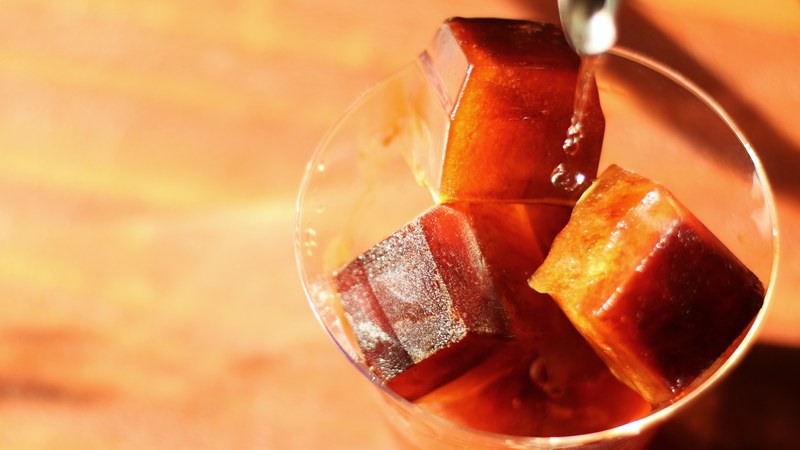
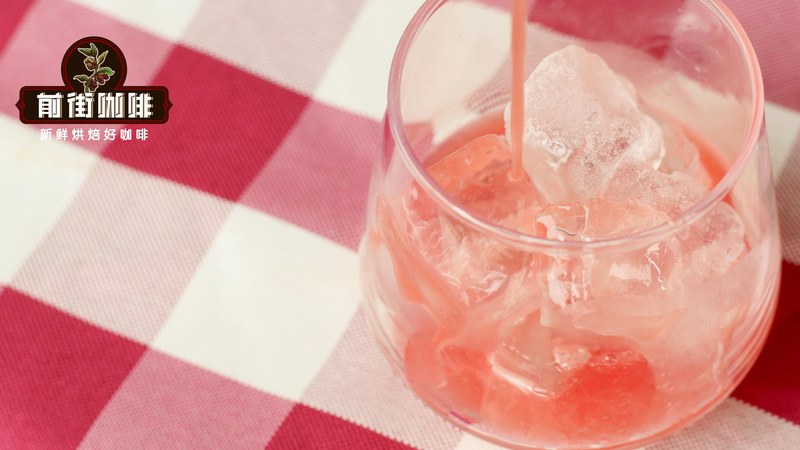
When it comes to home operation, the French press parameters are really just one set, and once memorized you do not need to think about it. Grind the coffee to medium-coarse, with a granular feel like coarse sugar; use a coffee-to-water ratio of 1:15, so 15g of coffee corresponds to 225g of water. If you like it stronger, adjust to 1:12, and if you want it lighter, 1:18. Control the water temperature at 85 to 95°C; use a higher temperature for lighter roasts and a lower temperature for darker roasts, and 92 to 93°C is a safe middle value for daily use. After pouring the water, stir gently to wet all the grounds, put on the lid but do not press, and steep for about 4 minutes; 3 to 4 minutes is a comfortable range for strength. When the time is up, slowly press down the filter and pour it out immediately; do not leave it in the pot, otherwise the fine grounds will continue extracting and become bitter and astringent. If you want it iced in summer, use less water to raise the strength, then pour it over about 120g of ice cubes; it cools quickly and locks in the flavor.
Qianjie's coffee beans are shipped fresh. After receiving them, let them rest for four to five days before you start drinking, and the flavor is better if you finish them within a month. The French press itself is a very low-threshold device; you do not need a scale accurate to 0.1g to brew tasty coffee, but choosing the right beans can indeed turn this cup from "drinkable" into "something you want to drink every day". The richness of medium-dark roast, the clear sweet fruitiness of natural and honey processes, and the stable, easy-drinking quality of blends - choose one of these three paths according to your own taste, and your French press at home will not sit idle.
Related Reading

Comments (0)
Loading comments...
You May Be Interested


Trending Reviews
Popular Videos

With you, wherever you are! We provide useful features to help you find new things you'll love






