Source:Best Coffee > News Author:qjroot Published:2024-11-27 18:19:27
Recently, the international investment bank Hedgepoint released its latest coffee futures price report, stating that due to growing uncertainty in global supply, coffee futures prices remain on an upward trend, with little possibility of a decline in the short term.
Brazil, as the world's largest and most important coffee-producing country, has seen its coffee production decline due to severe weather such as drought, high temperatures and unstable rainfall. At present, the international coffee market is generally bearish on Brazil's 2024/25 coffee supply, and the impact may even extend to 2025/26 coffee production.
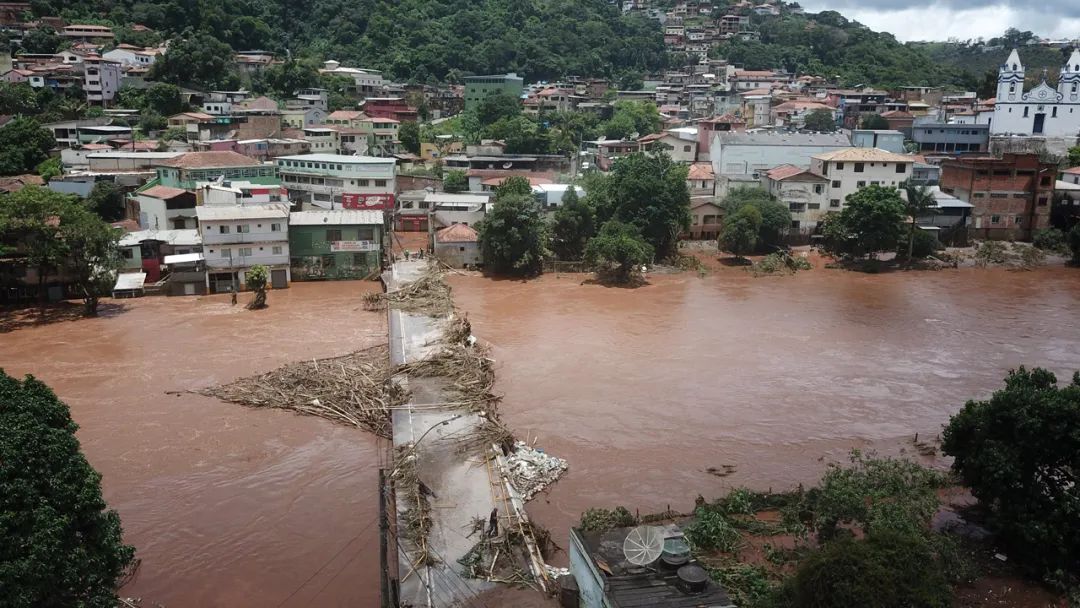
According to Hedgepoint, the market had early on worried that drought in Brazil would cause long-term damage to coffee crops, and now, in Minas Gerais, Brazil's main Arabica coffee-producing region, the weather remains unstable. According to the report, last week the state's coffee-growing areas recorded rainfall of 6 mm, only 10% of the historical average, but this week some parts of the state saw heavy rainfall, which also triggered floods, causing one death.
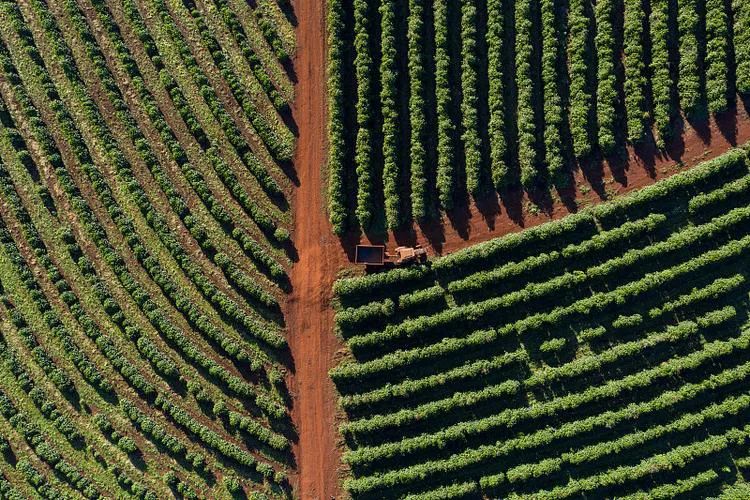
As a result, Arabica coffee production is expected to fall 1.4% to 42.6 million bags (60 kg/bag). Meanwhile, the climate in Espirito Santo, the main Robusta-producing region, is relatively stable, and Robusta coffee production is expected to rise 12.2% to 22.6 million bags. But this is only an initial production forecast, and output will be revised down further in the future once the coffee fruit sets. In addition, several institutions, including the United States Department of Agriculture, have also continued to cut Brazil's coffee production.
Besides Brazil, several other countries also face challenges, especially in Central America, where frequent hurricanes have increased the risk to 2024/25 coffee supply. In mid-November, Costa Rica reported that it had entered a state of emergency due to hurricane impacts, with heavy rainfall breaking out in many parts of the country and triggering disasters such as floods, mudslides and landslides.
According to the report, the country has already seen more than 180 floods, with at least 2 deaths, 3 missing, many houses destroyed, more than 1,300 people evacuated, and several major highways forced to close. According to data compiled by the Costa Rican Coffee Institute ICAFE, about 15% of the country's coffee crop has been affected.

In addition, Honduras, the largest coffee-producing country in Central America, has also been severely affected. According to a report from Honduras' National Secretariat for Risk and Emergency Management, after being hit earlier by Storm Sara, flooding was triggered in many parts of the country, killing at least 1 person and affecting about 56,000 people to varying degrees, and the entire country entered a state of emergency.
Storm Sara caused significant economic losses, severe damage to infrastructure in various places, and destruction of much agricultural equipment, which has adversely affected the production of crops such as coffee.
According to statistics, in the Lempira department, cumulative losses amounted to 400,000 quintals (20,000 tonnes) of coffee crops, with estimated losses of 112 million US dollars. In addition, the country reported losses of at least about 30 hectares of coffee crops. At the same time, in the western coffee-producing regions, because roads, highways and bridges were destroyed, much of the harvested coffee could not be transported out, so the actual losses may be even greater.
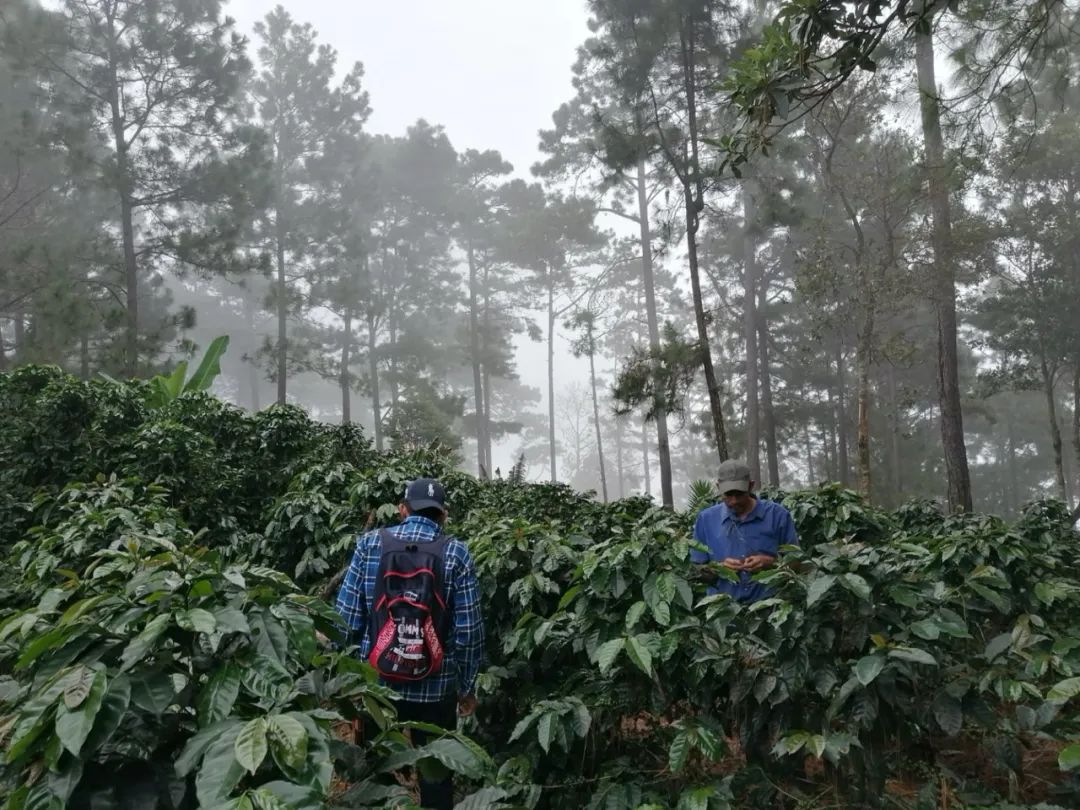
However, there is also good news. Recently, the Foreign Agricultural Service (FAS) of the United States Department of Agriculture released its latest forecast for Colombia's coffee production in 2024/25. Because weather conditions are favourable for coffee production, and coffee farmers are adopting better agronomic practices to reduce the impact of climate change, boosting production in the new season, coffee production is expected to be 12.9 million bags, an increase of 1.1% compared with last year, and export volume will reach 12 million bags.
Even though Colombia's reported production increase is beneficial to the market, it is not enough to make up for reduced production in Brazil and several Central American countries, and the La Nina phenomenon that is highly likely to appear at the end of the year will further disrupt the climate in many countries. Therefore, international coffee prices will continue to remain high, and a downward trend is unlikely in the short term.
To learn more news and information about coffee origins, please scan the QR code to follow: Kaping
Long-press the QR code to follow:

Related Reading





Comments (0)
Loading comments...
You May Be Interested




Trending Reviews
Popular Videos

With you, wherever you are! We provide useful features to help you find new things you'll love






