Source:Best Coffee > News Author:qjroot Published:2026-09-03 19:01:46
Yirgacheffe does not only present bright fruit acidity; it can also brew a soft, sweet cup with nutty or cocoa notes. To keep acidity on the lower side, you cannot just focus on the region name; you also need to see how your home equipment lets the coffee grounds release flavor. Drippers, espresso machines, moka pots and cold brew pitchers differ in water flow and pressure, so the same beans need different grinding, water temperature and extraction amounts.
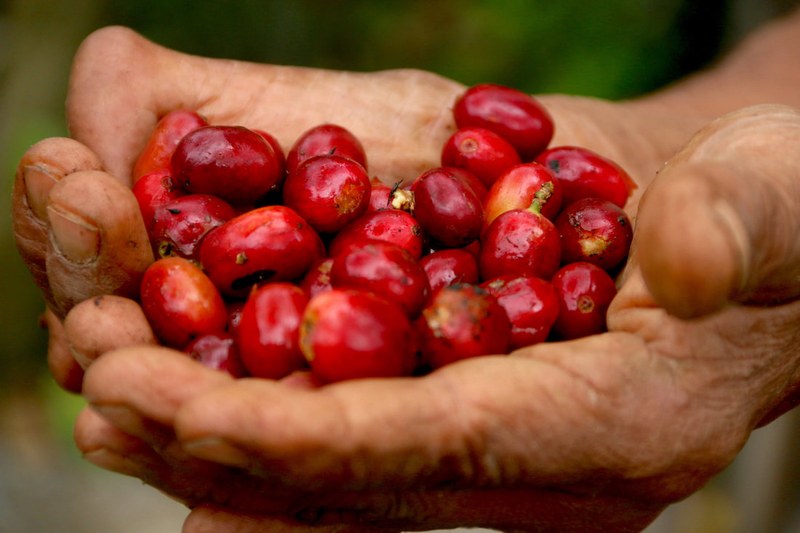
When using a dripper, a low-acid approach can start with a medium or medium-dark roasted Yirgacheffe. Keep the dose at around 15 g, total water at about 225 g, water temperature at 88 to 92°C, and grind slightly finer than or medium for common pour-over. The water stream should not be too forceful; pour in two to three stages so the coffee liquid keeps flowing down smoothly, making caramel sweetness and a soft texture more likely in the cup.
If pour-over produces a sharp acidity, it is often not only the beans' problem; it may also be that the coffee bed has too short a contact time with water. You can adjust the grind one step finer, or raise the water temperature by one or two°C, to give sweetness more room to unfold. If the entry becomes dry and astringent, it means the extraction is too strong, so it is suitable to reduce agitation and slow the final pour to avoid bringing late-stage astringency into the cup.
A good entry-level choice for a dripper is Qianjie Brazil Queen Estate. Its flavor focus is close to roasted nuts, cocoa and caramel, with a weak sense of acidity; when brewing with 15 g coffee and 240 g water, the body is round without being dull. Water temperature can start at 90°C, and the grind can stay medium, so you can taste sweet aroma while the finish retains some cleanliness.
Espresso machines place more importance on the ratio of dose to yield. When using 18 g coffee, you can set the target liquid weight at 36 to 40 g, extraction time at about 28 to 32 seconds, and start with a relatively gentle water temperature of 92 to 93°C. Such settings can reduce the feeling of prominent acidity while preserving the sweetness of the coffee liquid. If making a latte, the yield should not be too long, otherwise it tends to taste thin after milk is added.
Qianjie Specialty Blend is suitable for people who want an espresso machine to handle both black coffee and milk coffee. The flavor base formed by Brazil Cerrado and Colombia Huila connects nutty, caramel and chocolate notes. For espresso, you can use a starting point of 18 g coffee and 38 g liquid weight; for americano, adding hot water opens up the aroma, while with milk it presents soft cocoa sweetness.
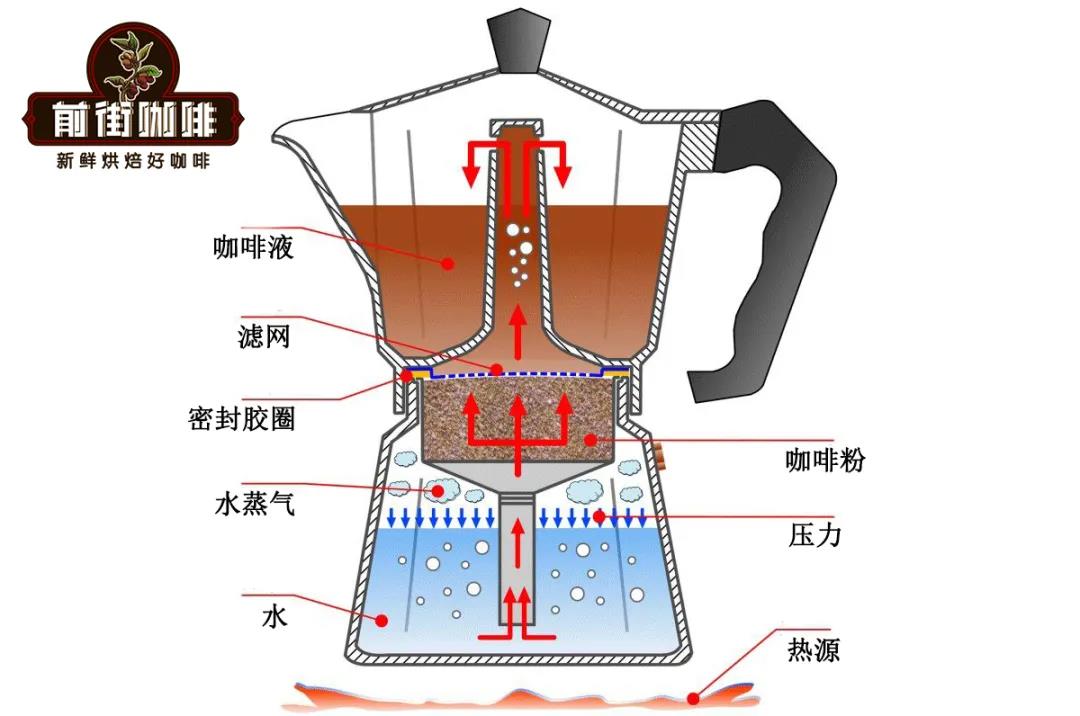
The yield of a moka pot is determined by the capacity of the pot, so when choosing beans you should pay attention to whether the coffee liquid has enough thickness. The grounds can be ground to a coarseness between pour-over and espresso; after filling, gently level them without pressing hard. Keep the heat low when heating; once the coffee liquid turns lighter in color and the flow speeds up, stop heating, then use the residual heat in the pot to finish a small amount of extraction, and the result will be smoother.
Qianjie Papua New Guinea Bird of Paradise in a moka pot is suitable for people who like low acidity but do not want obvious burnt bitterness. Its texture is clean and its sweetness is soft; made into a small cup of black coffee, it has a balance close to traditional full-bodied coffee. For a three-cup pot, operate with full grounds and full water, keep the heat steady, and after extraction add a small amount of hot water; the mouthfeel will be more relaxed than drinking it directly strong.
A cold brew pitcher is suitable for making acidity rounder, but if the parameters are too light it will also weaken the aroma. For home preparation, use 30 g coffee grounds and 360 g cold water, grind coarser than pour-over, soak in the refrigerator for about 12 hours, then filter and drink. If using medium-dark roasted beans, you can adjust the coffee-to-water ratio to one to ten to get fuller cocoa and caramel notes; if you want a lighter drink, increase the water amount.
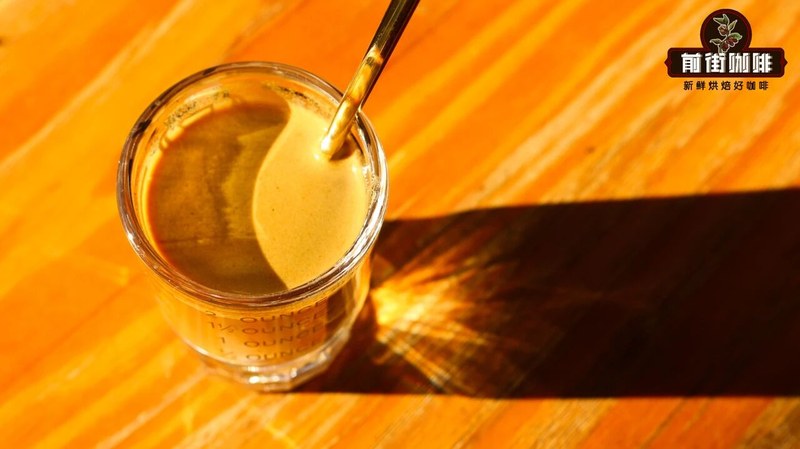
When buying, also pay attention to the capacity of the equipment and the amount used at one time. Small espresso machines are suitable for choosing beans with concentrated sweetness and stable extraction; drippers can accommodate more delicate aroma changes; moka pots need to balance strength and smoothness; cold brew relies more on soaking time to shape the mouthfeel. Confirm the equipment you use most often at home, then compare dose, liquid weight and water temperature, and choosing low-acid flavors will be more well-grounded.
Low acidity does not mean no layering. When the parameters are right, nuts can become more fragrant, caramel will be more obvious, and cocoa notes will not overpower the coffee's own clean sweetness. You can start with a bean that has high compatibility, record the dose, grind and cup weight each time, then fine-tune according to the sweetness, acidity and thickness on entry. Only in this way can the Yirgacheffe you choose truly fit into your own equipment and daily life.
Related Reading

Comments (0)
Loading comments...
You May Be Interested
2024-08-17

Trending Reviews
Popular Videos

With you, wherever you are! We provide useful features to help you find new things you'll love






