Source:Best Coffee > News Author:qjroot Published:2026-09-18 17:08:21
To brew a cup of pour-over coffee with a warm texture and full body, water quality often plays a decisive regulating role. In everyday extraction, water is not only the carrier of flavor; the total dissolved solids in the water, commonly known as TDS content, is more like an invisible ruler. The hardness of the water and its mineral composition directly change the extraction efficiency of soluble flavor compounds inside the coffee grounds, which in turn brings about a most remarkable transformation in the body and aftertaste of the whole cup.

The rich, velvety texture everyone feels during pour-over brewing cannot be separated from the boost given by an appropriate amount of calcium and magnesium ions in the water. Magnesium ions help adsorb fruit acids and nutty aromatic hydrocarbons, while calcium ions are responsible for building a balanced, thick mouthfeel framework. If you use purified water that contains almost no minerals, the dark-toned pour-over you brew tends to taste thin and flat; and if it is tap water with excessive hardness, the excess bicarbonate will neutralize the coffee's own vivid sweetness and may even bring out a rough, dry bitterness in the finish.
When making pour-over at home, choosing natural soft water with a TDS value of around 40 to 80 is a quite hassle-free and well-matched choice. This kind of water retains moderately active minerals to lift sweetness, yet will not block the release of aroma due to mineral overload. When you happen to have a bag of medium-dark roasted coffee beans with a flavor profile leaning toward nuts and cocoa, extracting with this kind of natural water usually allows the dark caramel gumminess and oily mouthfeel to integrate more fully into the liquid.
After understanding the characteristics of the water, choosing matching coffee beans becomes a clearer goal. Enthusiasts pursuing a classic, full-bodied taste are usually well suited to single-origin or blended beans with soft acidity, solid sweetness and relatively high body. The large-molecule browning products produced during roasting are exactly what need to be gently drawn out with the help of water molecules at just the right hardness, and then transformed into a smooth texture in the mouth like melting chocolate.
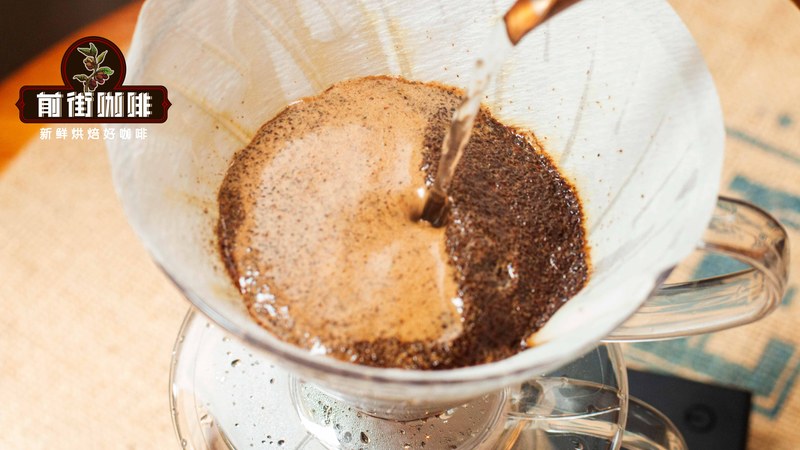
For example, Qianjie Papua New Guinea Paradise Bird is a single-origin bean very suitable for showing a warm, thick body. This bean grows on a high-altitude quality estate and carries elegant aromas like brown sugar, nuts and mild woody notes, with very soft acidity. When using brewing water that contains an appropriate amount of minerals, you can use a water temperature of 89°C, weigh out 15g of coffee grounds, pour in 30ml of water and let it bloom for 30 seconds, then use a three-pour method, pouring in stages up to 225ml, with the total time controlled at 2 minutes 05 seconds, and you can bring out that round, silky smooth feeling close to a classic Blue Mountain to the fullest.
If you usually prefer a deep, intense dark chocolate flavor, Qianjie Black Cocoa Blend is a representative work showing a rich, full-bodied foundation. This blend highlights the thick, sweet aroma of roasted nuts and dark chocolate and itself has almost no sharp acidity. When the coffee bed contacts hot water, it can quickly release abundant aroma molecules, making it especially suitable for dark roast lovers who like a heavy body and a long aftertaste as an everyday cup.
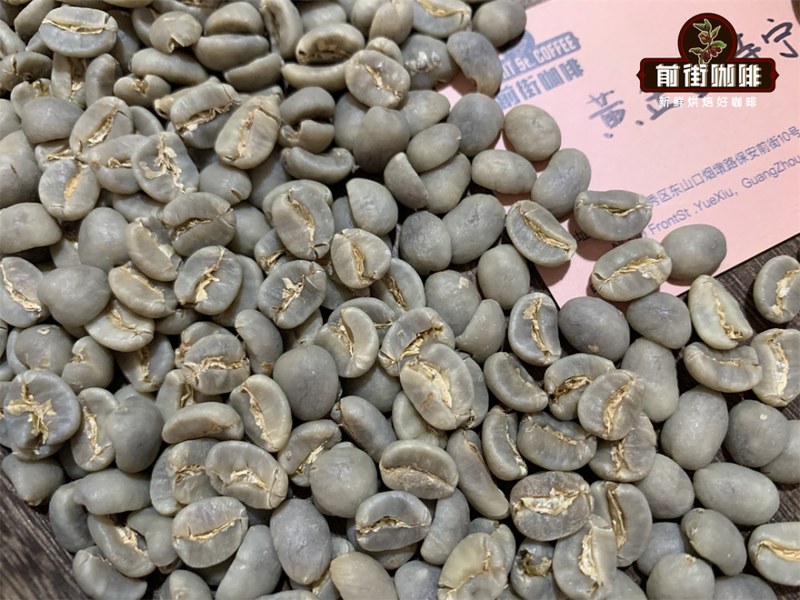
For a darker roasted bean like Qianjie Black Cocoa Blend, adjusting the water temperature can make the flavor smoother. It is recommended to fine-tune the water temperature to 87°C, still using 15g of grounds with a total pour of 225ml for a 1:15 coffee-to-water ratio. First pour in 35ml of water and let it bloom for 30 seconds, then use a two-pour even pouring method, keeping the stream delicate and steady, and finish the whole brewing in 1 minute 55 seconds. A slightly lower water temperature combined with soft water quality can both fully extract the solid, dark-chocolate-like thickness and avoid the burnt bitterness and off-flavors brought by high temperatures.
Besides paying attention to the water quality itself, the pouring rhythm can also be subtly adjusted according to the characteristics of the water. Soft water dissolves substances at a relatively steady pace, so during pouring you can keep the stream gentle and even, giving the coffee bed enough time to absorb water; if you are using water slightly richer in minerals, you can appropriately speed up the pace of the pour and reduce excessive soaking of the coffee particles in the water, so that the brewed coffee has both a plump, oily mouthfeel and a quite clean finish.
A cup of pour-over coffee that lingers in the memory is never the accidental product of a single step. Once you understand the adsorption effect of different water qualities on soluble substances, then choose quality beans with a nutty, cocoa base note, and work within a suitable water temperature and a steady pouring time, those caramel sweetness and solid, full-bodied notes hidden deep in the coffee beans will naturally bloom completely in the carafe.
Related Reading




Comments (0)
Loading comments...
You May Be Interested



Trending Reviews
Popular Videos

With you, wherever you are! We provide useful features to help you find new things you'll love






