Source:Best Coffee > News Author:qjroot Published:2026-09-19 12:20:40
The core of this Dirty drink lies in the temperature contrast and layered effect created by the collision between the warm espresso on top and the ice-cold purified thick milk below. Many friends prepare the iced milk and the cup perfectly at home, yet find the flavor layers less impressive on the first sip, and the root cause often lies in the style orientation of the coffee beans. Figuring out whether you are using a blend or a single-origin SOE is the starting point for clarifying the logic of the taste.
The core advantage of blended beans lies in the harmony and stability of flavor. Roasters usually combine two or more beans, for example blending beans from a region that provides a rich base with beans from a region responsible for aroma in a certain ratio. By reading the blend ratio on the packaging, you can roughly predict the flavor base; a blend leaning toward a medium-dark roast with nutty and cocoa notes can combine with thick milk to produce a rich flavor like melted chocolate.
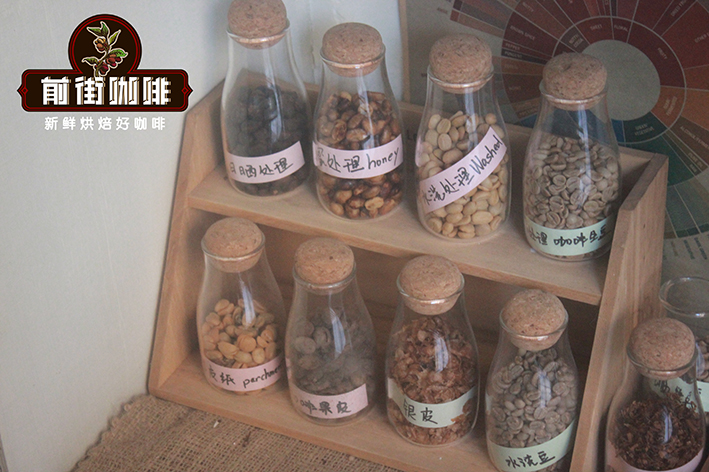
Single-origin SOE is a completely different flavor path. It emphasizes showcasing the authentic terroir of a single origin, pursuing floral notes, a juicy feel, and lively sweet-and-sour layers. Making Dirty with single-origin beans means tasting the unique regional personality of that bean; when bright fruity notes collide with sweet, rich iced milk, the palate instantly brims with rich flavors reminiscent of a fruit smoothie or strawberry cream.

If you want a Dirty with lively fruity notes, Qianjie Ethiopia Huakui displays an outstanding single-origin personality. This bean carries lively aromas of tropical fruit, strawberry, and passion fruit, with abundant sweetness. When making it into a single-origin espresso for Dirty, set the espresso machine to 93°C, use 18g of grounds to extract 36g of espresso, completing a constant-pressure extraction in 26 seconds, then pour it over ice-brewed milk; on the first sip it is like eating a strawberry berry-flavored ice cream dessert.
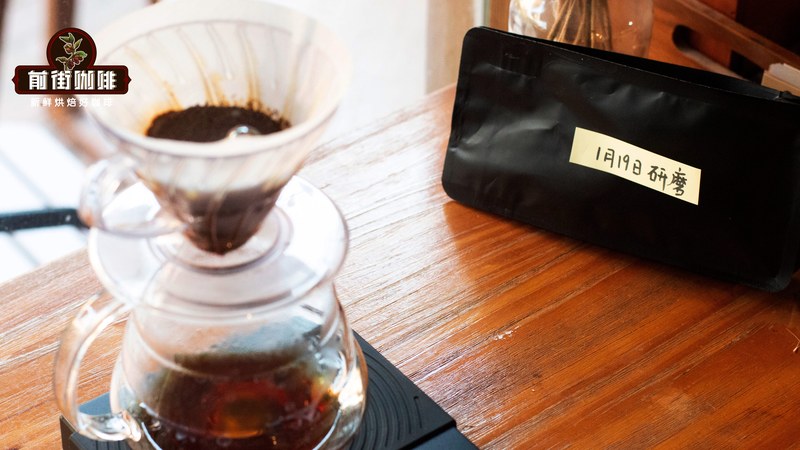
For friends who want to experience the original character of Huakui itself, you can first appreciate the aroma through a pour-over cupping method. Take 15g of Qianjie Ethiopia Huakui, set the water temperature to 92°C, pour 225ml of water at a 1:15 coffee-to-water ratio, for a total time of 2 minutes 05 seconds, using a three-stage pour: first pour 30ml of water to wet and bloom for 30 seconds, then slowly pour to 130ml, and finally pour to 225ml to finish; the tropical fruity notes and juicy sweetness come through especially clear and bright.
Another distinctive single-origin route is choosing a bean with brighter acidity, such as Qianjie Kenya Little Tomato. This bean is rich in flavors reminiscent of cherry tomatoes, smoked plum, and yellow sugar, with solid acidity and a clean finish. Using it on an espresso machine, set the water temperature to 91°C, extract 37g of espresso from 18.5g of grounds through a 27-second constant-pressure extraction, which brings out a sweet-and-sour concentrated liquid like smoked plum tomato syrup; poured into iced milk, it instantly cuts through the heaviness of the milk fat.
By contrast, the traditional blend route has its value in that no matter how it is extracted, the flavor base remains balanced and easy to drink. The logic of blending is complementarity; medium-dark roast blends tend to trim the acidity to a very gentle level and amplify the sweetness and cocoa aroma produced by caramelization. This robust structure allows the espresso, when piercing through iced milk, to form a rich, deep dark chocolate flavor, suitable for everyday drinkers who prefer pronounced cocoa notes.
Reading the blend ratio on a coffee bean package is, in fact, reading the roaster's design intent. For example, seven parts Brazil with three parts Ethiopia often means seven parts are responsible for the nutty richness and oily texture, while three parts provide a subtle floral and fruity aroma accent. If it is labeled as an all-single-origin SOE, that means it relies entirely on that bean's own high-altitude flavor and fermentation processing to support the layers of the entire drink.
Once you understand the difference between the two routes, the choice depends on your daily drinking habits and purposes. If you pursue a cup of classic milk coffee every morning with a familiar flavor and a thick mouthfeel like melted chocolate, a traditional blend with a balanced recipe is clearly more worry-free; if you enjoy leisurely savoring the shifting layers produced by bright fruit aromas colliding with milk sweetness in the afternoon, a single-origin SOE with a distinct regional personality offers more surprise.
The charm of making Dirty at home lies precisely in being able to freely decide the flavor direction of each cup. There is no need to stick to one fixed pattern; by choosing the right single-origin or blend according to your own taste preferences, and then matching it with a stable extraction method, this iced coffee with layers seeping through can display a captivating quality not at all inferior to a cafe.
Related Reading



Comments (0)
Loading comments...
You May Be Interested



Trending Reviews
Popular Videos

With you, wherever you are! We provide useful features to help you find new things you'll love






