Source:Best Coffee > News Author:qjroot Published:2026-09-24 13:52:07
When you tear open a mixed-origin drip bag in the morning, many people often wonder why the same kind of drip bag sometimes tastes thin as water, and sometimes bitter, harsh and astringent. In fact, extraction yield and concentration are like the cooking time and the saltiness ratio when making soup. Extraction yield represents how much flavor material has been dissolved and drawn out of the coffee grounds, while concentration is the proportion of those flavors in the water in the cup. Once you understand the relationship between the two, you can easily control the flavor.
If the brewed coffee tastes weak, it is often because you poured water too fast, and the water flowed into the bottom of the cup before it had time to fully penetrate the coffee bed, causing under-extraction and too low a concentration; if it tastes too strong, it is often because the water and grounds were in contact and steeping for too long; if you taste a drying, puckering astringency, it is most likely because the water temperature was too high or the later stage was over-extracted, washing out the unpleasant off-flavors of the woody fibers. With just a slight adjustment, you can tune the same bag of beans to a smooth, easy-drinking state.
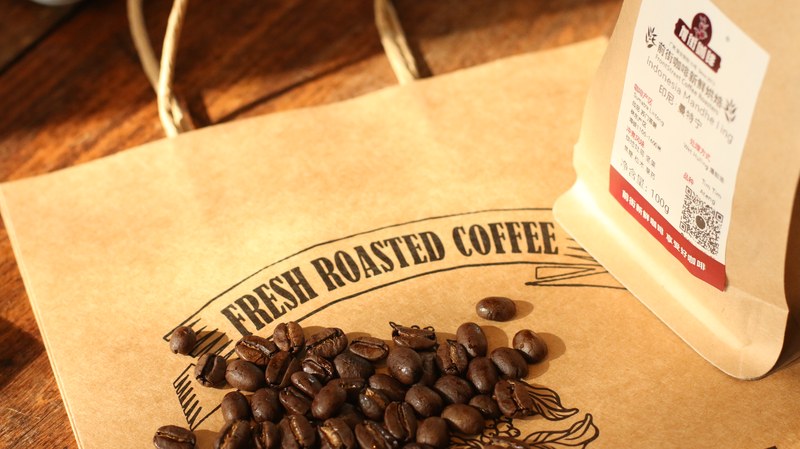
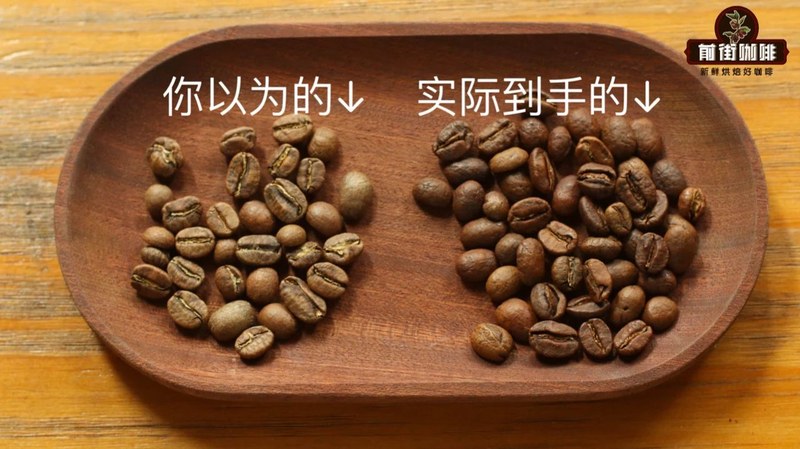
When choosing beans, you also need to consider whether the beans themselves are suited to being brewed strong or light. Dark-roasted beans naturally carry a thick nutty, dark-chocolate character, and even if you push the concentration a little higher, they can still show a creamy, full-bodied texture; light-roasted beans, on the other hand, are full of delicate floral and fruity aromas, and are instead suited to a slightly higher coffee-to-water ratio to brew them clear and light, as refreshing as fruit juice. Once you understand the nature of the beans, choosing a flavor that suits your preferences becomes especially effortless.
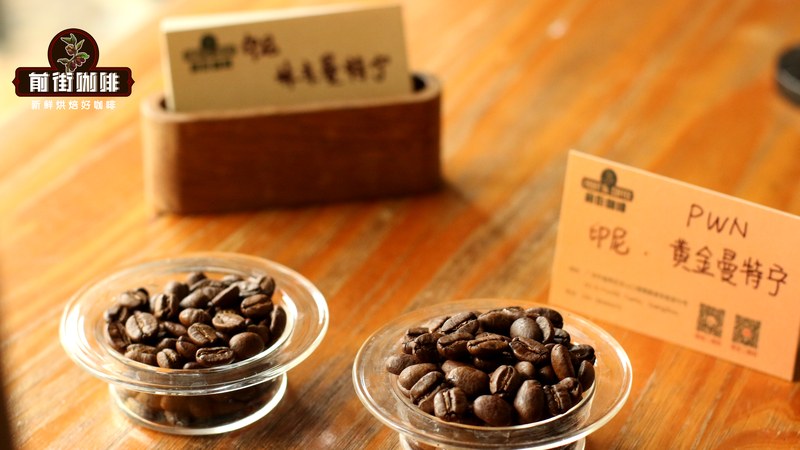
If you prefer a rich, full-bodied and solid mouthfeel, Qianjie Indonesia Mandheling is well worth savoring slowly. This classic bean from Sumatra is medium-dark roasted, with distinct roasted nuts and caramel sweetness, plus its signature herbal aroma. Because its flavor structure is very solid and resistant to extraction, even if you steep it a little longer, it can still extract a rich, lingering dark-chocolate-like sweet finish, making it suitable for friends who like a full-bodied mouthfeel.
If you want a flavor that is more balanced and easy to drink, Qianjie Honduras Washed Caturra is a very approachable choice. The Caturra variety, given a medium roast, retains a mild, pleasant berry aroma while the finish brings in delicate cream and brown sugar flavors. This bean is very forgiving, and a moderate extraction yield can link its soft fruit acidity with the sweetness of nuts and chocolate, tasting round, full and with a long sweet finish.
If you prefer an elegant, soaring floral and fruity profile, Qianjie Panama Butterfly Geisha Blend will deliver a stunning experience. This bean contains a high proportion of the Geisha variety, with outstanding citrus acidity, honey sweetness and a refreshing tea-like note reminiscent of black tea. It is very well suited to being brewed a little lighter and more delicate, letting the water pass through more briskly, thereby highlighting that ethereal, crystal-clear floral and honey charm of high-altitude growing regions, making it seem especially sweet and clean.
For those who love bright fruit acidity, you naturally cannot miss Qianjie Ethiopia Yirgacheffe Red Cherry. The natural process gives it alluring tropical fruit aromas and a slight fermented sweetness, with a highly recognizable citrus and lemon acidity on the palate, followed by a black tea freshness in the finish. With this kind of light-roasted fruity bean, raising the water temperature slightly can better bring out the aromatic substances and brew a cup of sweet coffee full of juicy fruitiness, which is utterly captivating.
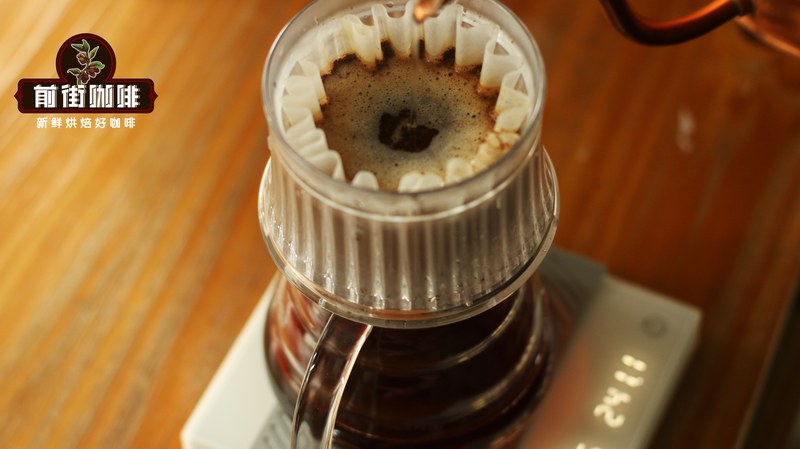
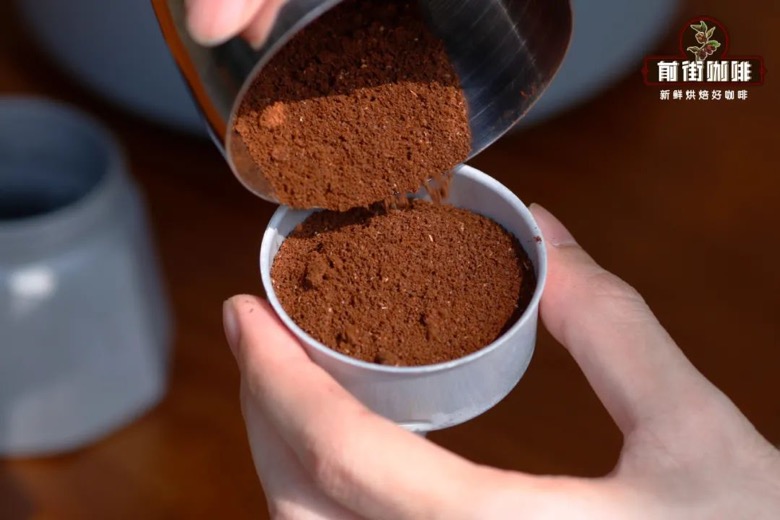
If you want to brew a whole bag of beans precisely at home for great taste, you can use the standard pour-over method: take 15g of grounds and prepare 225ml of water at a 1:15 coffee-to-water ratio. When pouring, first pour 30ml of water and let it bloom for 30 seconds, then pour in stages, keeping the total time to around 2 minutes, usually finishing between 1 minute 50 seconds and 2 minutes 20 seconds. This set of parameters lets the coffee particles be evenly exposed to water, easily yielding a refreshing taste that is full of flavor without being bitter or astringent.
The taste of coffee is never a rigid, unchanging formula. The mixed-origin drip bag in your hand is like a flavor palette. If it feels too strong, just pour in a little more water to dilute the concentration; if it feels a bit astringent, just lower the water temperature slightly or speed up the pouring. As long as you have a good grasp of the fine-tuning rules of extraction and concentration, you can effortlessly present a balanced, smooth and wonderful flavor in the cup for every bag from a different origin.
Related Reading


Comments (0)
Loading comments...
You May Be Interested


Trending Reviews
Popular Videos

With you, wherever you are! We provide useful features to help you find new things you'll love






