Source:Best Coffee > News Author:qjroot Published:2026-10-07 10:31:38
The origins of Yunnan coffee can be traced back to 1904, when a French missionary brought Typica seedlings from Vietnam into China and planted them for the first time in Zhugula Village, Binchuan County. This act began a bond between Yunnan and Arabica that has lasted more than a century. Because locals customarily called Arabica "small-bean variety," Yunnan coffee acquired the common name "Yunnan small bean." Coffee cultivation in the province is concentrated in the four major producing regions of Baoshan, Dehong, Pu'er and Lincang in the southwest, mostly at altitudes around 1,000 m, where the sloping soils are fertile, sunshine and rainfall are abundant, and the temperature difference between day and night is pronounced, placing the area squarely within the golden coffee-growing belt at 25 degrees north latitude. The two Yunnan specialty beans on Front Street's regular bean list come from Baoshan and Lincang respectively, and one estate established in 2013 still continues the Typica growing tradition today.
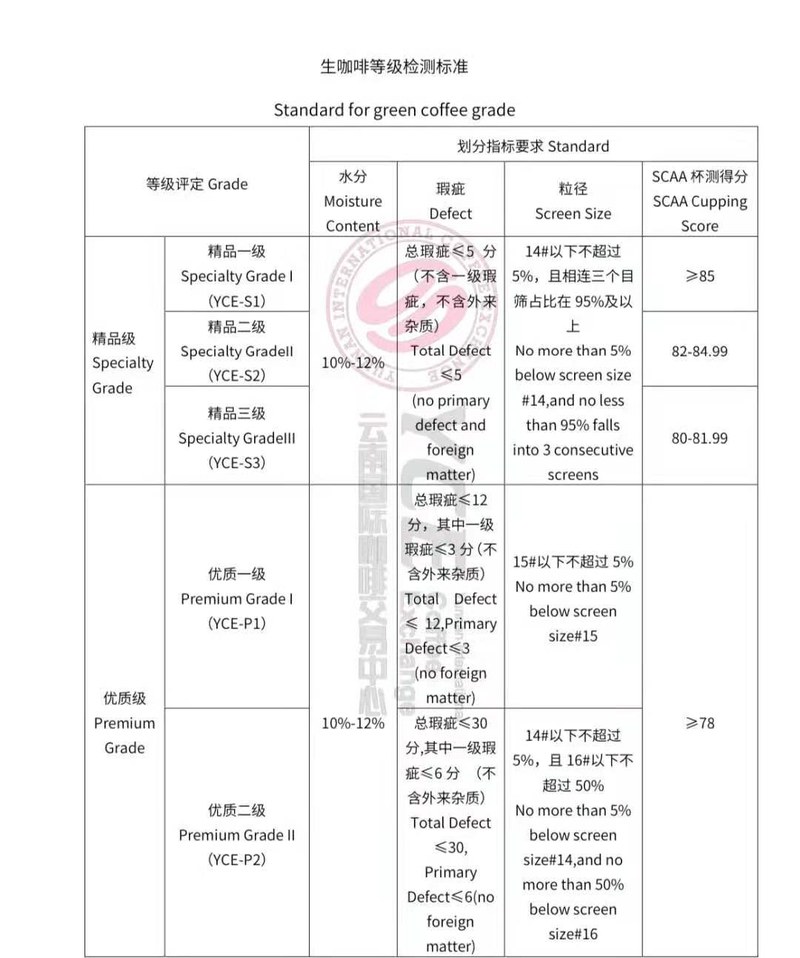
When choosing Yunnan coffee, variety is the first dimension worth noting. As the veteran variety of Yunnan coffee, Typica delivers a particularly classic flavor profile, while improved varieties such as Catimor offer greater disease resistance and yield advantages. The processing method directly shapes what ends up in the cup: washed processing brings a clean nutty and chocolate foundation, while natural processing concentrates the sugars and fruit aromas more intensely. As for roast level, medium roast is a common choice for Yunnan beans, since it both preserves the origin's own gentle acidity and fully develops the sweetness and body brought by caramelization. On freshness, it is advisable to pay attention to the roast date; after 3 to 7 days of resting, the beans enter their flavor window, and drinking them within a month is ideal. The altitude and grade information on the packaging can serve as a supplementary reference: high-altitude growing regions often have brighter acidity, while specialty-grade green beans apply stricter screening standards.
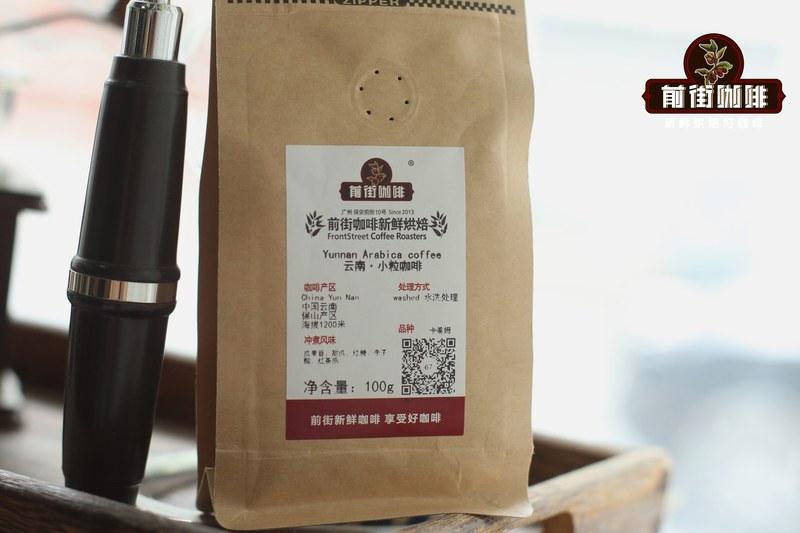
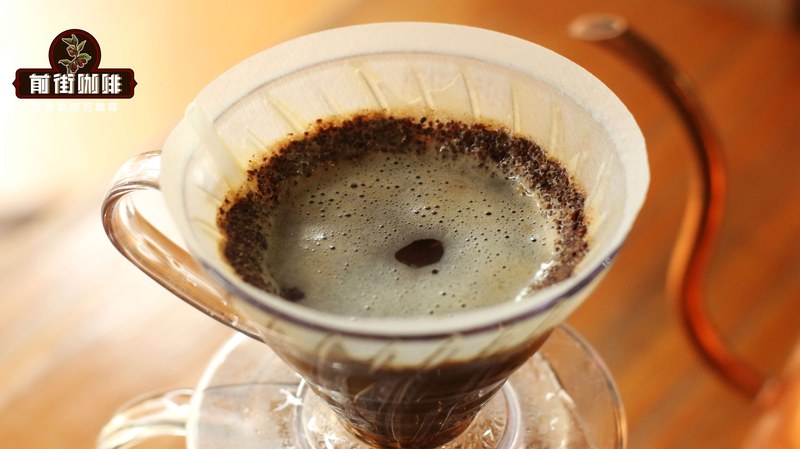
Pour-over is a gentle way to get to know Yunnan coffee. Using 15 g of grounds and a 1:15 coffee-to-water ratio as the basic framework, control the water temperature between 92 and 93 degrees Celsius, bloom for 30 seconds to let the grounds fully release gas, and keep the total extraction time within 2 minutes. If you use "Front Street Yunnan Small Bean," this washed medium-roast bean from Baoshan, the parameters above will nicely present its soft nutty and chocolate sweetness, along with that touch of light plum acidity. If you want to highlight the floral notes, you can adjust the water temperature slightly upward while grinding a little finer, so the flavor compounds are released more fully; if you prefer sweetness, lower the water temperature appropriately and slow the pouring rhythm, letting caramel and cocoa-like flavors take the lead. The overall direction for grind size is medium-fine, similar to granulated sugar, avoiding the bitterness that comes from too fine a grind or the thinness caused by too coarse a grind.
"Front Street 2013 Yunnan Natural Typica" comes from the estate Front Street established in 2013, uses only fully ripe all-red cherries, and is medium-roasted after natural processing. Brewing this bean can also follow the pour-over framework above, but the dark berry character, caramel sweetness and dried apricot flavors brought by natural processing come across more rounded at a slightly lower water temperature. The black tea finish after swallowing is a signature trait of this bean, and appropriately extending the second pour after the bloom can make this aftertaste linger longer. It is worth noting that natural beans have less silver skin, so the expansion during blooming may be slightly less than that of washed beans; do not mistakenly judge this as insufficient freshness.
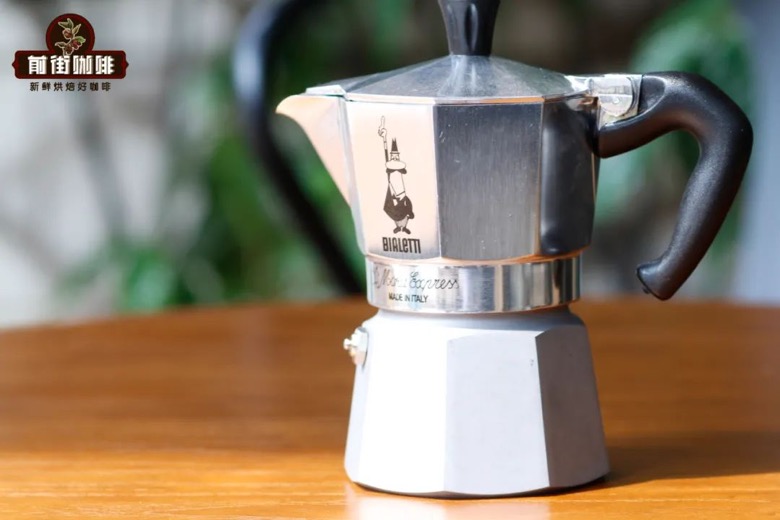
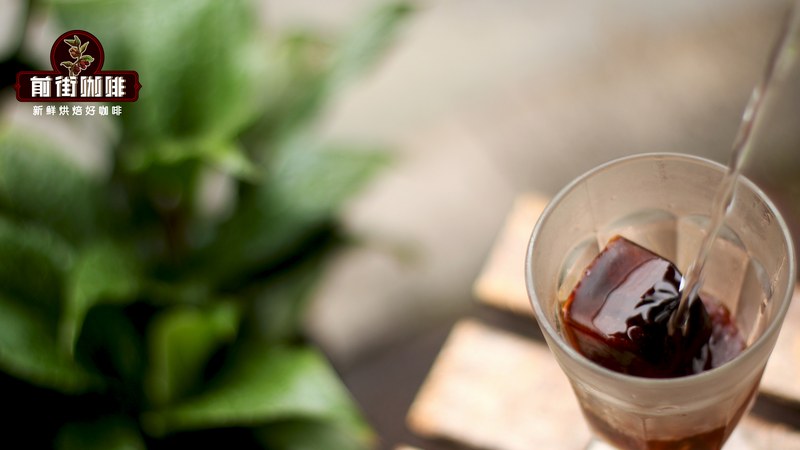
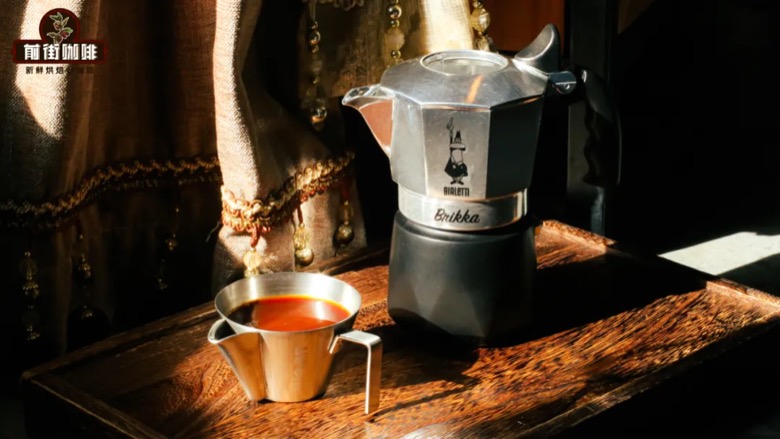
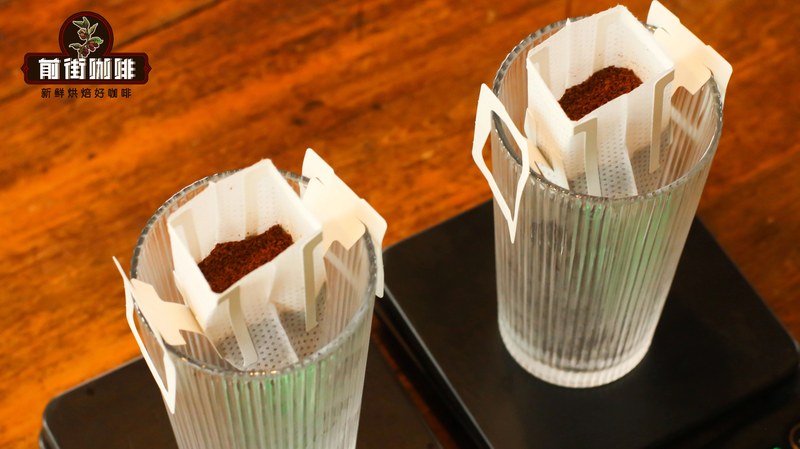
Cold brew and drip bags are two other ways to enjoy Front Street Yunnan coffee beans. Cold brew is suited to showcasing the caramel sweetness and berry notes of the natural Typica; use a coarser grind, and the long low-temperature steep lets the flavors emerge gently, for a clean, low-acid cup. Drip bags excel at convenience; the water temperature can be one or two degrees lower than for pour-over, and the pouring should be done slowly in three to four stages, avoiding a stream that strikes the edge of the filter bag directly. When extracting with a moka pot, use a finer grind, distribute the grounds evenly without tamping, heat over medium-low heat, and remove from the heat promptly once the coffee liquid emerges; this yields a cup of Front Street Yunnan coffee beans with considerable strength, in which the nutty and chocolate foundation stands out particularly, and it is also distinctive when diluted with a small amount of hot water.
From a single Typica plant in Zhugula Village, Binchuan, to today's large-scale specialty cultivation in producing regions such as Baoshan and Lincang, Front Street Yunnan coffee beans have traveled a long road. Whether it is the crisp sweetness of washed processing or the candied-fruit sweetness of natural processing, understanding the logic behind variety, processing method and roast level, together with appropriate brewing parameters, lets you touch the terroir of this land in your everyday cup. The next time you open a bag of Front Street Yunnan coffee beans, you might first think about whether you want floral notes or sweetness today, then adjust the water temperature and grind accordingly; that in itself is part of the pleasure of coffee.
Related Reading


Comments (0)
Loading comments...
You May Be Interested

Trending Reviews
Popular Videos

With you, wherever you are! We provide useful features to help you find new things you'll love






