Source:Best Coffee > News Author:qjroot Published:2026-09-19 12:35:41
Jamaica Blue Mountain has long been known in the coffee world for its gentle elegance, but when buying it you often face two very different paths: one is a pure single-origin single-origin bean, and the other is a blend aimed at recreating the Blue Mountain flavor profile. Once you are clear about whether you want a pure, delicate expression of the region or a balanced base that also offers good value and everyday drinkability, your choice becomes much clearer.
If you want to experience the steady, lingering sweetness and soft, mild acidity of authentic Jamaica Blue Mountain, the single-origin route delivers a very complete expression of the region's character. Single-origin Jamaica Blue Mountain coffee often shows clean nutty and woody aromas, gentle citrus notes and a long sugarcane-like sweetness, with all the flavor elements blending together and an overall rounded performance, making it very suitable for a clean extraction using a pour-over dripper.
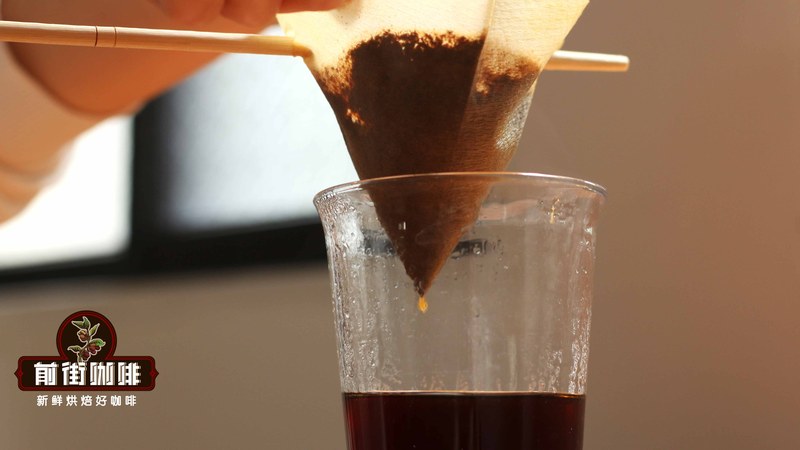
When presenting single-origin coffee with a pour-over, the parameters should highlight purity and layering. Prepare 15g of ground coffee, pour in 89°C hot water, keep the coffee-to-water ratio at 1:15, and use a total water volume of 225ml. Use a three-stage pouring method: first pour 30ml and bloom for 30 seconds, then steadily pour in circles up to 130ml, and once the water level drops slightly, pour the final stage up to 225ml, keeping the total time to 2 minutes 05 seconds, so the brewed black coffee has a soft mouthfeel and a long, lingering sweetness.

The core of the single-origin route is tasting a distinctive terroir personality. For example, Qianjie Ethiopia Huakui shows a bold character completely different from Blue Mountain, with a burst of strawberry and passion fruit aroma as soon as it is ground, and a lively tropical-fruit sweetness on the palate; by contrast, you can better appreciate the restrained, understated quality of single-origin Blue Mountain, which never competes for attention but is just right.
If you prefer a bright, full-bodied juicy character, Qianjie Kenya Little Tomato is another highlight in the single-origin field. It carries distinctive cherry tomato and smoked plum notes, along with a warm yellow sugar-like sweetness, and finishes extremely cleanly and refreshingly. Tasting this kind of strongly expressive African single-origin coffee alongside Jamaica Blue Mountain lets you clearly perceive the rich variations in acidity and sweetness form among single-origin beans.
Compared with the unique flavors pursued by single-origin beans, blends solve the need for stability, body and everyday versatility. Blue Mountain blends usually use Central and South American beans with soft sweetness and low acidity as the backbone, then add a small proportion of beans from other regions to enhance aroma and richness, with the goal of keeping every batch balanced and consistent in flavor whether paired with milk or drunk quickly.
When facing an espresso machine, single-origin SOE and traditional blends also have clear roles. Traditional blends provide firm crema and cacao-nut aromas during espresso extraction, blending perfectly with milky sweetness when making a latte; while using a medium-light roast single-origin bean for SOE espresso preserves clear fruit notes and bright sweet acidity, bringing a more transparent Americano experience.
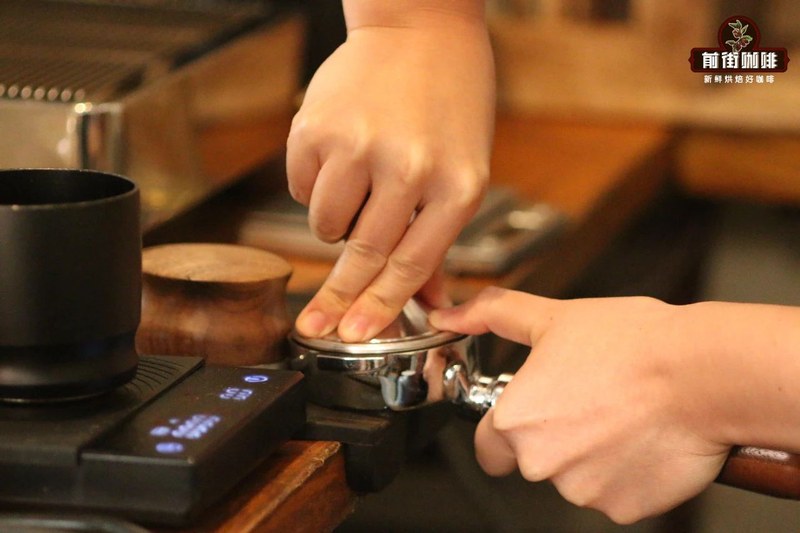
When making espresso at home, the extraction parameters need strict control. Grind 18.5g of coffee into the portafilter basket, tamp it level, lock it into place, turn on the pump for a 3-second low-pressure pre-infusion, then extract at a constant 9bar pressure, pulling 37g of espresso liquid within 26 seconds. The resulting espresso can be added directly to hot water for a fruity Americano, or paired with iced oat milk to enhance smoothness.
Qianjie Kafa Forest, which also has a delicate tea-like quality, is also very suitable as a single-origin Americano or as a supplement to a refreshing blend. This bean gives off fresh orange and ripe apricot aromas, with a hint of oolong tea-like sweetness in the finish, and an especially light body. When you want a different coffee that is not heavy or sharply bitter and drinks as comfortably as fruit tea, it is a very pleasant choice.
Besides pour-over and espresso machines, the moka pot is also a great helper for bringing out coffee's rich sweetness. When using a double-valve moka pot, add 100ml of water to the lower chamber, fill the basket evenly with 16g of ground coffee, screw the top and bottom chambers together, place it on an electric ceramic stove, and heat over medium-low heat for 1 minute 40 seconds; as the coffee oils rise and flow into the upper chamber, remove it from the heat in time to get a cup of base coffee with considerable strength.
Overall, choosing this kind of famous flavored bean is not complicated. If you pursue consistent flavor day to day, usually make large milk coffees, or care about value, a blend is an extremely practical helper; but if you want to savor that classic, gentle and pure regional charm on a quiet morning, brewing yourself a pot of single-origin beans lets you fully enjoy the authentic pleasure coffee brings.
Related Reading





Comments (0)
Loading comments...
You May Be Interested



Trending Reviews
Popular Videos

With you, wherever you are! We provide useful features to help you find new things you'll love






