Source:Best Coffee > News Author:qjroot Published:2024-07-27 18:42:16
According to local Kenyan media reports, on July 25 local time, Kenya's parliament voted to delete all 65 clauses of the 2024 Finance Bill. Lawmakers likewise backed President Ruto's reservations about the bill and voted unanimously to delete all clauses, but this still failed to calm the anger of the Kenyan public, and protests continued in August.

It is understood that Kenya's National Assembly voted on June 25 to pass the Finance Bill, which explicitly raises funds through additional taxes in order to continue servicing the interest on its high sovereign debt. The new tax increases include a 16% value-added tax on the purchase of bread, sugar transport, the use of mobile communications and financial services, and foreign currency transactions.
But for the public, who have long faced the pressures of daily life and believe the government is doing nothing, this tax increase was the last straw; that same day, protests against the tax hike broke out in the capital Nairobi, with crowds of demonstrators storming the parliament building and clashing with police. It is reported that the demonstration was originally peaceful, but with the intervention of the Kenyan police it gradually turned into violent activity.
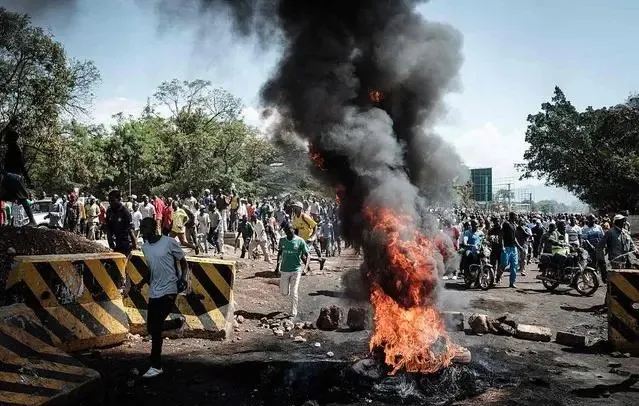
Afterwards, in order to calm the situation, Kenyan President Ruto's government chose a series of measures: first it said it would not sign the Finance Bill, and announced that, apart from the Prime Cabinet Secretary and Cabinet Secretary for Foreign Affairs, all other serving Cabinet Secretaries (CS) and the Attorney General (AG) had been dismissed.
In addition, Ruto's government also nominated four key members of the opposition Orange Democratic Movement (ODM) to the new cabinet; however, of the 20 new cabinet members Ruto has so far nominated, about half are members of the previously dissolved cabinet, which further inflamed the anger of the protesters.

Therefore, within this one month, the protest demonstrations continued to expand, and the demands of the protests grew from opposing the value-added tax to multiple political demands, including the resignation of President Ruto, opposition to violent police suppression, and calls for comprehensive reform to address corruption. Moreover, in addition to the capital Nairobi, the demonstrations also took place in Mombasa, Nakuru, Kericho, Kisii, Meru and other places.
In addition, due to Kenya's high unemployment rate, many young Kenyans cannot find jobs and have no employment prospects, so they have joined the marches and demonstrations one after another and become the main body of the protest activities.
And in the most recent protest activity on July 24, Kenyan journalists held protests nationwide to condemn the related violence by police against media personnel reporting on anti-government demonstrations, which resulted in dozens of journalists being injured during the action. And on July 26, Kenya's transportation sector also chose to strike and march over the illegal collection of road maintenance fees.
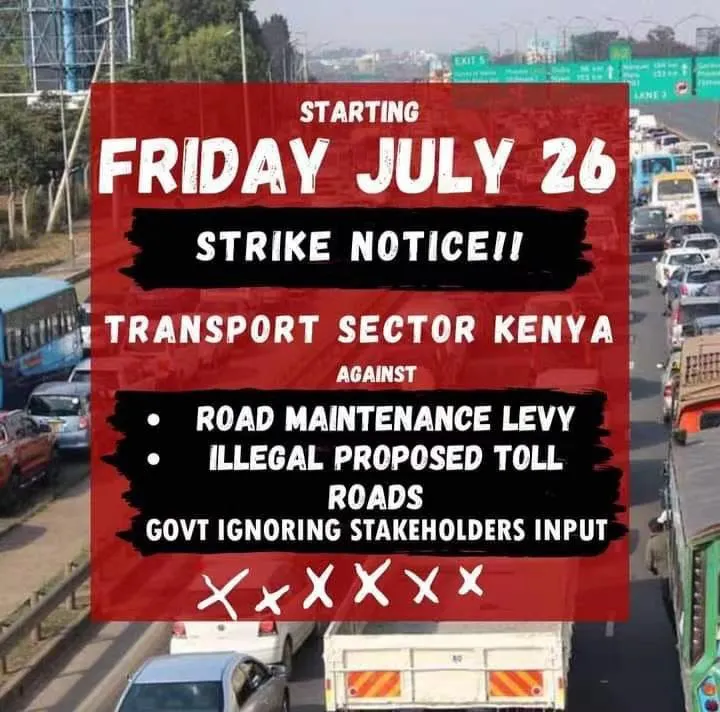
At present, these protests, which have continued to this day, have damaged multiple industries in Kenya, especially the country's important tourism industry and coffee industry. According to earlier reports, July is currently the period for viewing the great animal migration and is also Kenya's peak tourism season. However, due to protests and demonstrations breaking out in many places in Kenya, some lawbreakers have taken the opportunity to rob tourists on the road, especially foreign tourists, and conflicts still occur even when police are present. Therefore, the Chinese Embassy in Kenya also issued a notice reminding people to pay attention to travel safety.
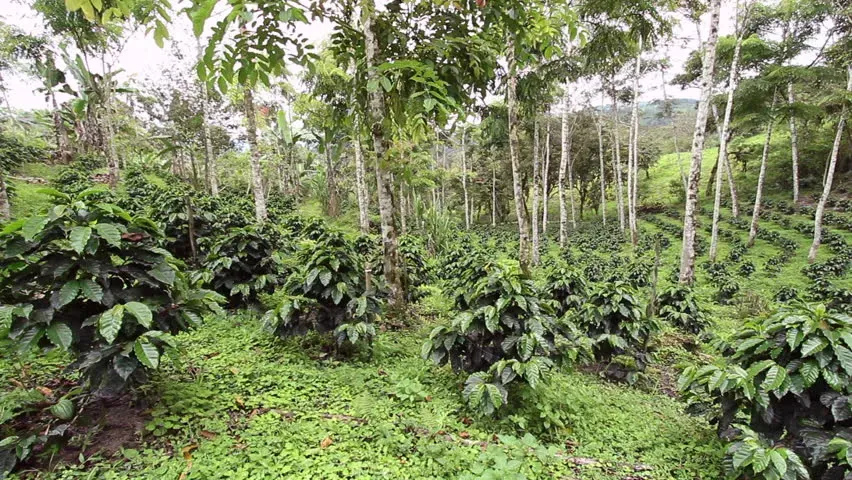
In addition, Kenya is one of the major coffee-producing countries in Africa, attracting many coffee enthusiasts and coffee traders to visit. However, protest conflicts have also broken out in some coffee-producing areas, reducing safety and causing fewer people to go there, which affects the development and international influence of Kenyan coffee.
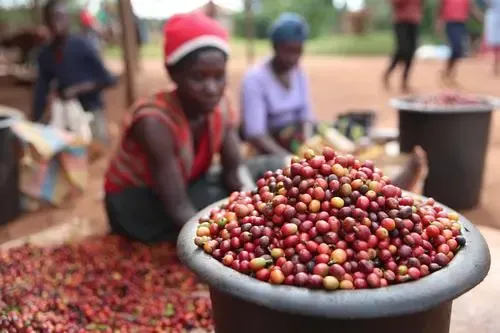
For the coffee industry, the Kenyan government's earlier reforms to the coffee sector led several Kenyan coffee processing factories to cease operations because they lacked licenses (including the globally renowned NKG company), and most employees were laid off, leaving a large number of workers unemployed. And because protests and demonstrations have broken out in many places at present, quite a few employees have gone to take part in the demonstrations. Some small factories have seen goods piling up, a shortage of manpower and logistics challenges, among other issues, leading to reduced export volumes and shrinking income at the same time, and the development prospects of the coffee industry are unclear.
Related Reading







Comments (0)
Loading comments...
You May Be Interested




Trending Reviews
Popular Videos

With you, wherever you are! We provide useful features to help you find new things you'll love






