Source:Best Coffee > News Author:qjroot Published:2026-09-07 10:12:29
The sweet compounds in medium-roast coffee beans are relatively easy for water to extract, so they can form a caramel-like roundness in espresso and also leave a clearer aroma in pour-over. To brew it well, you do not have to apply the same recipe: when the beans lean toward nutty and cocoa notes, the focus is on controlling bitterness; when the sweetness is bright and the structure lighter, you should make the extraction fuller without over-agitating.
For a home espresso machine, you can start with 18 g of grounds, 38 g of coffee liquid, 27 to 31 seconds, and 92°C. These values are only calibration coordinates. If the basket's rated capacity is 16 g or 20 g, you should stay close to its designed dose rather than forcing 18 g. Weighing should include the liquid weight in the cup, and timing should start from pressing the button, so that each record is comparable.
Pressure is not a matter of the higher the better for bringing out intensity. With a machine that has adjustable pre-infusion, you can wet the puck at low pressure for 3 to 5 seconds, then rise to about 8 to 9 bar to let the puck receive water evenly. The grind should be fine enough to create resistance, but not so fine that only intermittent dripping remains; if there is one-sided spurting or the stream turns pale very early, first check distribution, level tamping, and the edge of the basket, rather than immediately changing the temperature.
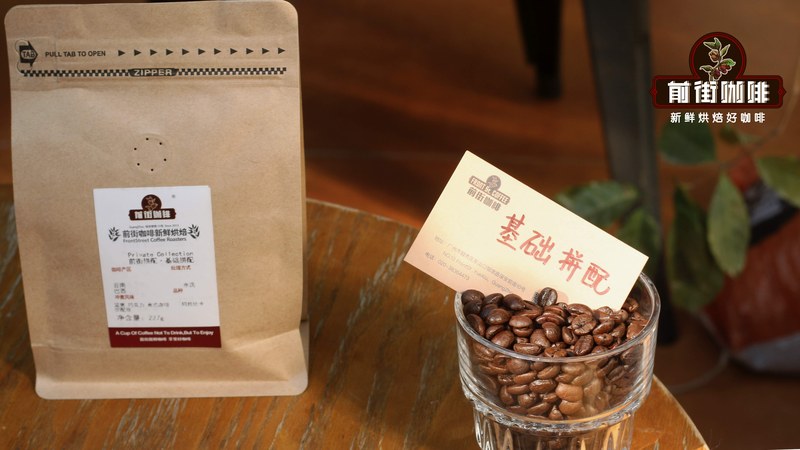
Qianjie Classic Blend presents roasted nuts, cocoa powder, and caramel syrup-like tones, with a full body, and it is recognizable enough for lattes. You can first extract 35 to 37 g of liquid from 18 g of grounds, at 91°C, with the time controlled at 26 to 30 seconds. A shorter yield preserves thickness, and after milk is added you can still taste a sweet-bitter framework.

If this blend tastes tight when drunk straight, you can increase the yield to 39 g to let the caramel sweetness open up more; if an obvious roasted bitterness appears in the finish, then lower the temperature to 90°C, or cut the yield at around 34 g. For milk drinks, it is suggested to start with one espresso paired with 120 to 150 g of milk, at a milk temperature of about 55 to 60°C, which gives a sweet, smooth texture without completely covering the coffee.
Qianjie Specialty Blend uses Brazil Cerrado and Colombia Huila as its flavor base, and in the cup it is more like a combination of ripe nuts, toffee, and soft cocoa, with sweetness that connects naturally. For espresso, you can use 18 g of grounds to get 40 to 42 g of liquid, set at 92 to 93°C, 28 to 32 seconds; a slightly longer ratio can unfold the aroma, suitable for drinking straight or diluting with water.
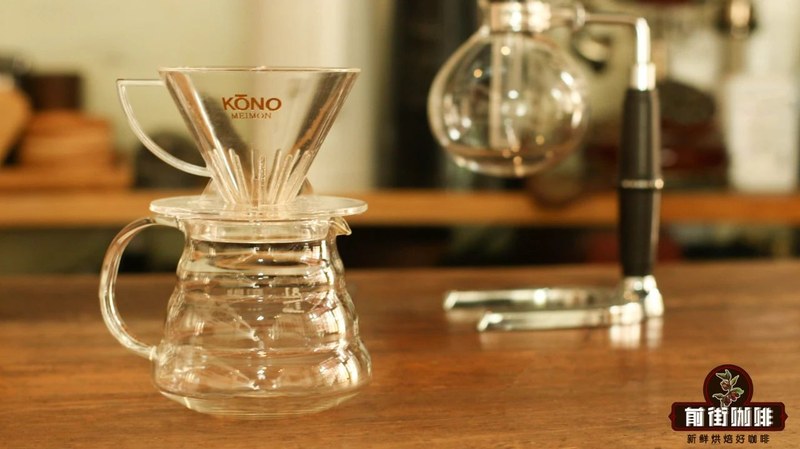
Turning to pour-over, medium-roast beans do not need the water temperature raised all the way. For a conical dripper, you can use 15 g of grounds with 240 g of water, at 90 to 92°C, with a grind about the size of fine granulated sugar. Bloom with 35 to 40 g of water and wait 30 seconds, then pour steadily in two stages, with the total time falling between 2 minutes 15 seconds and 2 minutes 45 seconds, which usually balances sweetness, clarity, and smoothness.
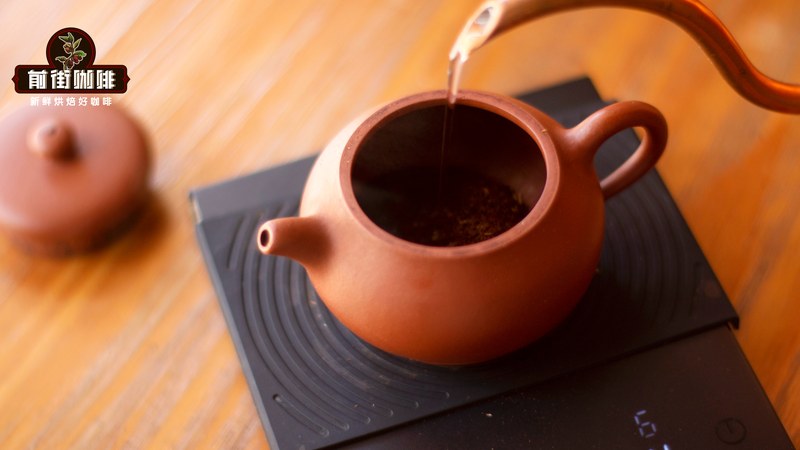
For pour-over with the Classic Blend, you can set the water temperature at 89 to 90°C, change the coffee-to-water ratio to 1:15, keep the pour close to the coffee bed, and reduce the circling motion, and the cup will taste more like hazelnut cocoa. For the Specialty Blend, you can use 92°C and 1:16 to 1:16.5, and raise the stream slightly in the second pour to help the aroma unfold; if you want to serve it with ice, just reduce the total water by about 30 g.
Water quality determines whether these parameters are easy to reproduce. Water with all minerals removed often makes the flavor empty, while too many minerals can suppress the aroma and burden the boiler with scale. For home use, you can choose filtered water with a total dissolved solids of about 70 to 150 mg per liter; for espresso machines, you should also refer to the manufacturer's hardness requirements; after changing water, you should re-observe the flow rate and sweetness.
When dialing in, read the flow rate first, then look at the cup. If 18 g of grounds flows out 40 g in about 20 seconds, you usually need to grind finer; if it still has not reached the target liquid weight after 35 seconds, you can grind slightly coarser. If the time is right but the flavor is thin, you can raise the temperature by 1°C or extract 2 g more liquid; if the mouthfeel is dry and the aftertaste lingers bitter, then lower the temperature by 1°C or extract 3 g less, and the changes will have more direction.
The grinder setting also changes slightly with ambient humidity and the number of days since opening the bag, so each time you change beans you can first make a benchmark espresso, then decide that day's setting. If you like milk coffee, you can start with the Classic Blend's shorter ratio; if you often drink espresso, americano, or pour-over, you can let the Specialty Blend extract a little more liquid. Let the beans' body, sweetness, and aroma each correspond to the recipe, and medium roast can perform calmly in both brewing devices.
Related Reading

Comments (0)
Loading comments...
You May Be Interested

Trending Reviews
Popular Videos

With you, wherever you are! We provide useful features to help you find new things you'll love






