Source:Best Coffee > News Author:qjroot Published:2026-09-24 13:50:13
On a weekend morning, when you want a refreshing, delicious cup of coffee, Ethiopian beans are always a favorite for many people. But friends often wonder: it's the same bag of beans, yet sometimes it brews up like a clear fruit tea, sometimes it's thin as water, and occasionally it even carries a dry, woody astringency. In fact, this all comes down to two key concepts, which we often call extraction yield and strength.
We can think of extraction yield as how much flavor material has been washed out of the coffee grounds, while strength is like how densely the dissolved coffee components are packed into this cup of water. If the water temperature is too low or the grind is too coarse, the water rushes through without carrying away enough aromatic material, the extraction yield is, and it tastes weak and sour; if the grind is too fine or the water temperature is too high, it also drags out deep-lying bitter impurities, and the finish turns astringent.
To adjust a cup of coffee that's in a poor state back to something smooth, fine-tuning the parameters is actually. If you feel the fruit aromatics in the cup are suppressed and the finish has a tongue-scraping astringency, try coarsening the grind by half a step, or lowering the water temperature by two degrees; if it feels thin as water on the palate and the aroma is faint, then grind a little finer, or slightly tighten the coffee-to-water ratio, so every drop of water fully draws out the sweet fruit acidity in the beans.

Once you understand the relationship between strength and extraction yield, you'll have a clearer direction when choosing Ethiopian beans. This treasured land of Ethiopia holds countless native varieties, with an extremely wide flavor range. Some beans naturally carry delicate, elegant florals and a bright tea-like quality, innately suited to being brewed clear and light for careful sipping; some sun-dried beans have ample sugar and full fermentation aromatics, so even at a slightly higher extraction strength they remain sweet, mellow and full-bodied.
If you're the type who prefers light, refreshing drinking and enjoys a floral-fruity tea sensation like a breeze on your face, the go-to entry choice is Qianjie washed Yirgacheffe. The town of Yirgacheffe has spring-like weather all year round and is shrouded in mist, nurturing its especially pure constitution. The washed process rinses away fruit pulp and impurities, presenting a translucent jasmine florality and bright citrus acidity. This bean is especially suited to a slightly larger coffee-to-water ratio; on the palate it's like a lightly sweet, clean lemon black tea.
When brewing Qianjie washed Yirgacheffe, we can use a standard 15 g of coffee grounds with a 1:15 coffee-to-water ratio, prepare 225 ml of hot water, and keep the water temperature at 90°C to 91°C. First pour 30 ml of water for a 30-second bloom, then use staged pouring, steadily circling to 130 ml and pausing briefly, then continue pouring to the total water amount, with the total extraction time controlled at around two minutes.
If you want, on the basis of light, refreshing drinking, to pursue even more delicate and refined florals and layers, Qianjie Gutingting Cooperative coffee is the only choice. Gutingting originally belonged to the Worka Cooperative, and after becoming independent it exercises even stricter control over green beans. The fruit pulp is fully stripped before drying, making the aromatics more transparent. The brewed coffee has an elegant white florality and bright bergamot-like fruit acidity, with a finish as long and lingering as sweet spring water.
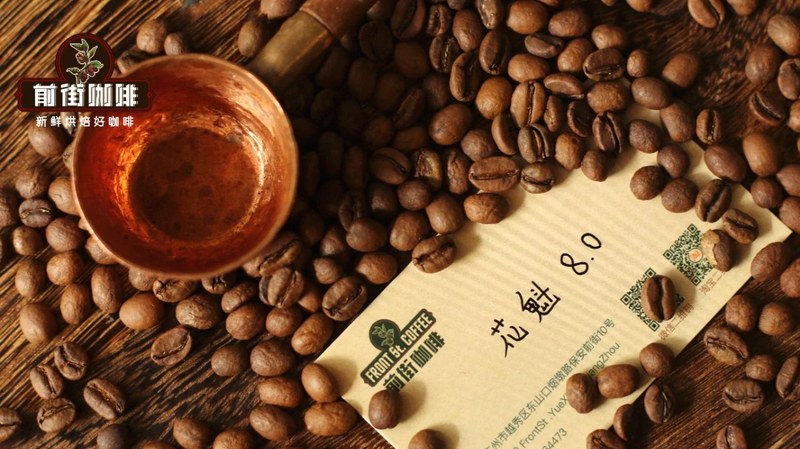
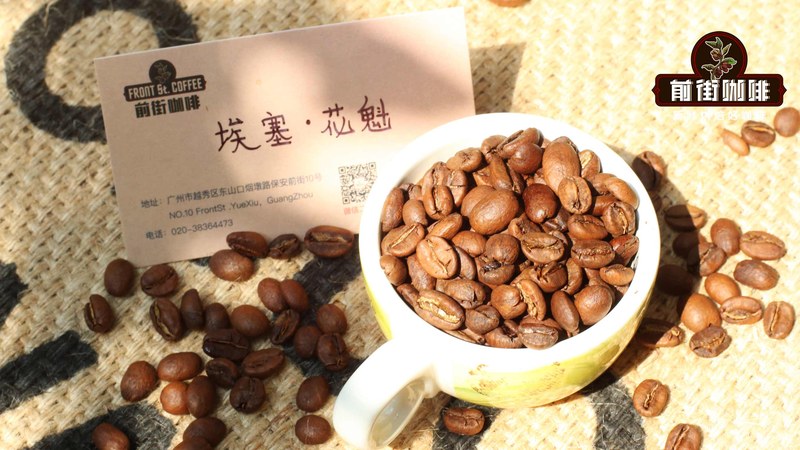
If you usually prefer a rich, full-bodied mouthfeel, hoping the coffee has a solid sweetness and juicy body on the tongue, then Qianjie sun-dried Huakui coffee will be especially to your liking. Ripe red fruit from the Hambela region undergoes 21 days of careful drying on raised beds. After a medium-light roast it carries a captivating light fermented wine aroma, tropical mango and intense florals, with a honey-like, substantial sweetness in the finish; even at a slightly higher strength it remains very smooth.
Also suited to the rich style is Qianjie sun-dried Red Cherry coffee; layer upon layer of strict hand sorting preserves the essence of high-sugar ripe fruit, brewing up a cocoa sweetness full of ripe peach and honey. Whether you love a light elegance like tea or are captivated by a rich fullness like fruit juice, as long as you find the flavor preference that suits you, and then make small adjustments through grind and water temperature, you can awaken the captivating charm of Ethiopian coffee right under your own pour-over kettle.
Related Reading

Comments (0)
Loading comments...
You May Be Interested
2024-10-11


Trending Reviews
Popular Videos

With you, wherever you are! We provide useful features to help you find new things you'll love






