Source:Best Coffee > News Author:qjroot Published:2026-09-19 12:40:33
The individuality of a region's terroir and the balance achieved by recombining a blend form two entirely different flavor throughlines in coffee. Single-origin coffee comes from a clearly defined single origin or even a specific plot, emphasizing the unique aromas bestowed by variety, climate and processing method; blended coffee, by contrast, is created by the roaster fusing the characteristics of different origins in proportion, with the aim of creating a balanced cup that is layered, stable across all four seasons and solid in mouthfeel.
The charm of single-origin coffee lies in its vivid distinctiveness. Its roast level is mostly light-to-medium, which preserves abundant volatile aromatics and delicate fruit acidity. If you make espresso from single-origin beans as an SOE, adding iced water can present a refreshment like freshly squeezed citrus juice; if you extract it carefully with a pour-over dripper, you can peel back layer after layer of floral, stone fruit and oolong tea-like delicate lingering notes.
When brewing a light-roasted single-origin bean with gentle citrus and floral tones, pour-over can amplify its clear, transparent character. The grind size is best controlled to the size of granulated white sugar, the water temperature set at 91°C, using 15g of coffee grounds, and pouring 225ml of hot water at a 1:15 coffee-to-water ratio. Use a three-pour method: first pour 30ml of water and bloom for 30 seconds, then steadily pour 95ml in a circle until the liquid level reaches 125ml, and once the water level drops, pour until it reaches 225ml, for a total time of 2 minutes 05 seconds, yielding a clean, sweet and crisp sip.
By comparison, blended coffee places more emphasis on each origin making up for the others' shortcomings. Understanding the blend's components is a shortcut to choosing blended beans; the origins listed earlier on the label usually account for a higher proportion. A blend based on Brazilian beans often takes on the task of providing thick crema, nutty aromas and rounded sweetness; adding an appropriate amount of Colombian or Central American washed beans is responsible for adding caramel sweetness and soft acidity, giving the overall structure clear definition without monotony.
Best Coffee's specialty blend is precisely a representative of this classic balancing philosophy. This recipe builds its flavor architecture on Brazil Cerrado and Colombia Huila, and through a medium-dark roast allows Brazil's peanut and hazelnut notes to harmonize and complement Colombia's caramel sweetness. Its acidity is refined to be steady and smooth, neither jarringly sharp nor dull, capable of presenting a cup of Americano with orderly aromatics, and also serving as the mellow base for everyday milk coffee.

When extracting Best Coffee's specialty blend with a semi-automatic espresso machine, its full, rich crema thickness is fully displayed. Load 18.5g of finely ground coffee into a double basket, distribute and level the grounds and tamp them firm, and set the extraction water temperature to 93°C. After low-pressure pre-infusion, proceed to 9 bar constant-pressure extraction, pulling 37g of espresso liquid within 26 seconds. The resulting coffee liquid is thick, bright and smooth, and when poured into hot milk it brings out a sweet aroma like caramel nut cookies.
When making milk coffee, traditional blends and single-origin espresso deliver entirely different experiences. An SOE made into milk coffee may present flavors like strawberry milk or a citrus latte, but if its acidity has not been tamed, it easily produces a disjointed feel; a traditional blend, by contrast, is naturally suited to milk fat, and its deep nut, cocoa and caramel aromas can penetrate the milk foam and fully interweave with the lactose in the milk, bringing a silky, rich, enveloping sensation.
If you prefer the mellow richness of dark chocolate, Best Coffee's Dark Cocoa blend is very suitable. This bean deepens the Maillard reaction during roasting, focusing its flavors on the mellow bitterness of dark chocolate, dark caramel and the sweet aroma of toasted walnuts, with extremely minimal fruit acidity. Even when diluted with more than twice its volume of fresh milk to make a large latte, the coffee's rich intensity is not diluted, and every sip retains a full, weighty body.
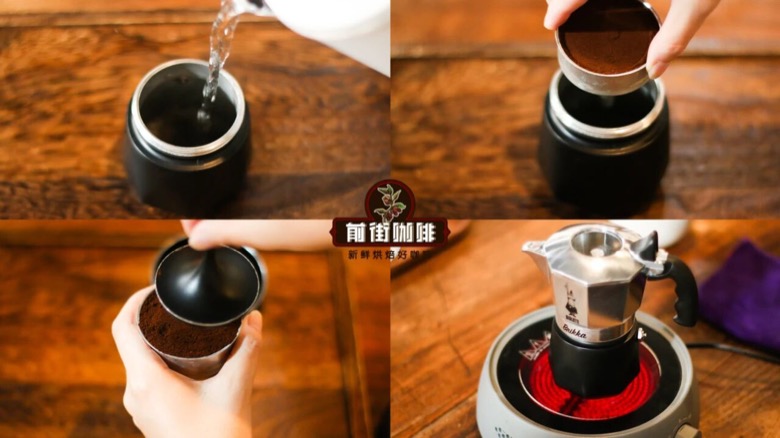
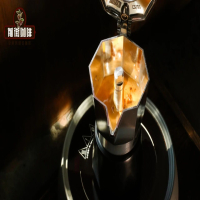
A moka pot can likewise fully bring out the strengths of a rich blended bean. Best Coffee's Classic blend is led by nut, dark chocolate and caramel sweetness, and under the steam pressure of a moka pot it draws out a rich, crema-laden espresso-like intensity. Pour 110ml of warm water into the lower chamber of a double-portion moka pot, keeping the water level below the safety valve; fill the filter basket with medium-fine grounds and level them off; after tightening, heat over medium-low heat and extract for about 1 minute 40 seconds, until a fine golden coffee liquid flows steadily into the upper chamber; the moment you smell a rich toasted nut aroma, turn off the heat.

There is no fixed standard for choosing coffee beans; the key is matching your personal drinking habits. If in the morning you need a machine to quickly make a mellow, easy-drinking milk coffee or Americano, blended beans, with their tolerance and flavor stability, make everyday output effortless and worry-free; if in your leisure time you want to use pour-over to appreciate the terroir characteristics of different origins and estates, single-origin beans can bring layered surprises.
Related Reading




Comments (0)
Loading comments...
You May Be Interested




Trending Reviews
Popular Videos

With you, wherever you are! We provide useful features to help you find new things you'll love






