Source:Best Coffee > News Author:qjroot Published:2026-10-09 09:34:10
The stability of moka pot extraction often lies in a few operational details that are easy to skip. The temperature of the water in the lower chamber is the first key point. Adding cold water directly will cause the metal at the bottom of the pot to heat unevenly, and local overheating can easily subject the coffee grounds to a high-temperature shock in the early stage of extraction, producing burnt bitterness and off-flavors; while pouring in just-boiled water may also cause the sealing ring to age faster due to the excessive temperature difference. A more reliable approach is to first heat the water to 60 to 70 degrees Celsius, that is, the state where small bubbles begin to appear at the bottom of the pot but it has not yet boiled, and then pour it into the lower chamber. This can both shorten the overall heating time and make the temperature distribution of the pot body more uniform, laying the foundation for subsequent stable flow.
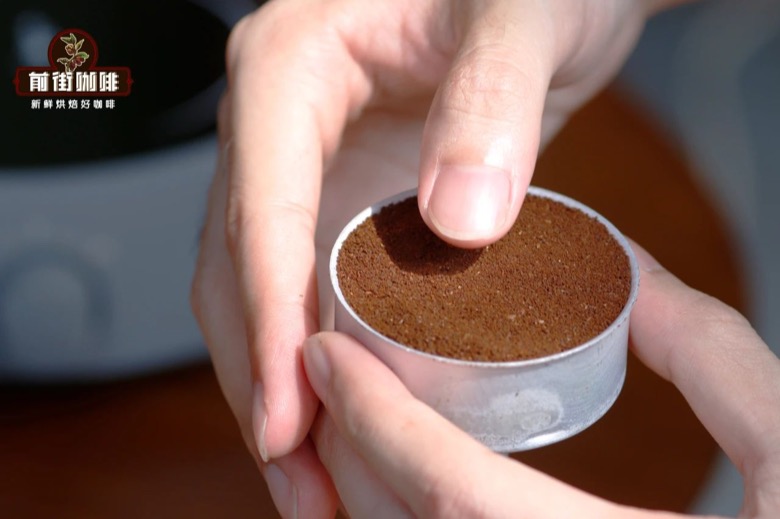
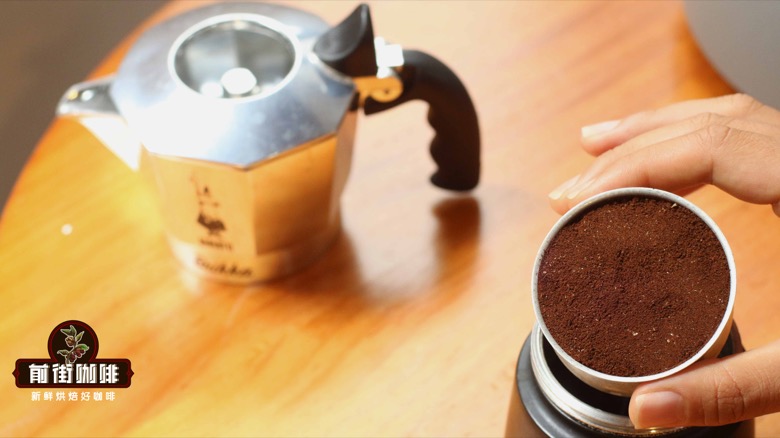
The coffee grounds in the filter basket only need to be leveled, not tamped. A moka pot relies on steam pressure to push hot water through the coffee bed, and a tamped puck will significantly increase resistance, ranging from slow flow and over-extraction in mild cases to splattering when pressure has nowhere to release in severe cases. Gently sweeping the surface of the grounds flat with a finger or a distribution tool to eliminate obvious gaps and mounds and make the coffee bed thickness uniform is the appropriate way to prepare. Here you can also lightly tap the edge of the filter basket to let the coffee grounds settle naturally and fill the gaps, but remember not to apply downward pressure.
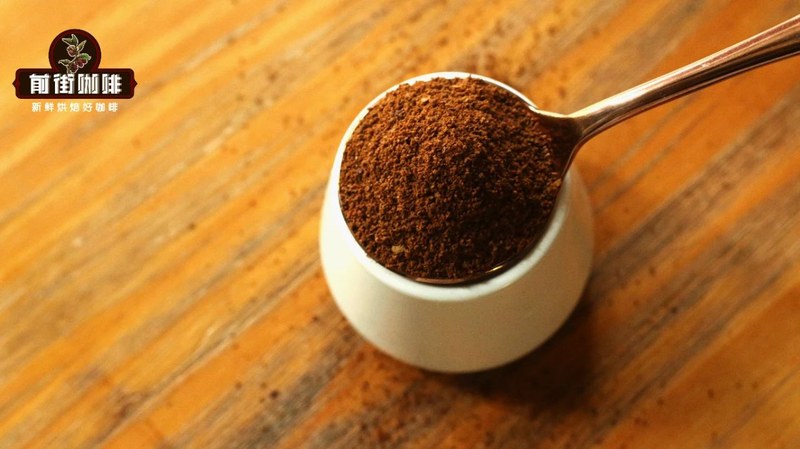
The impact of fines on moka pot flow is more direct than imagined. Too fine a grind will produce a large amount of fines; on one hand, these fines easily clog the filter screen, causing the flow to be intermittent or even completely stalled; on the other hand, as pressure rises they will pass through the metal filter and enter the upper chamber, making the coffee liquid cloudy and the mouthfeel astringent. The ideal grind size should be slightly coarser than espresso, with particles close to the texture of fine granulated sugar, so that it can both ensure sufficient extraction efficiency and maintain a smooth channel. If you only have an espresso grinder on hand, you can adjust it coarser by half a step to one step, observe the flow state, and then fine-tune.
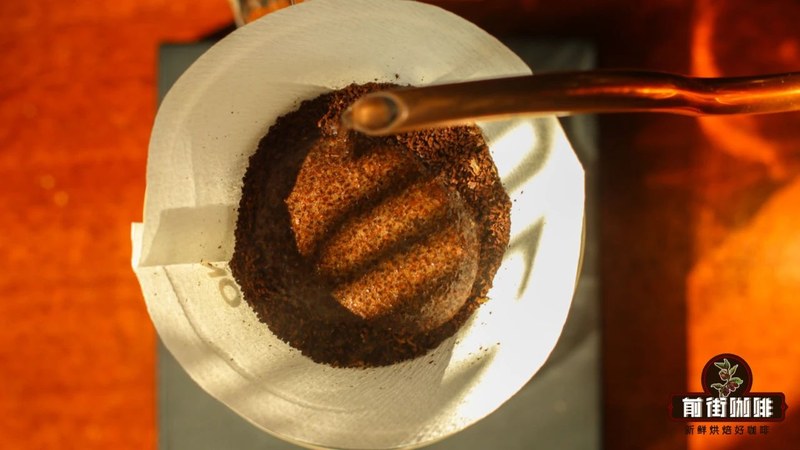
Placing a circular filter paper above the coffee bed is a practical technique for improving cleanliness. This filter paper does not need to be especially thick; ordinary pourover filter paper cut to the diameter of the filter basket is enough, and when placed it should fit against the surface of the grounds but not be pressed into the coffee bed. Its role is to add a barrier between the metal filter screen and the coffee grounds, intercepting fines and extremely fine particles that may float upward, so that in the end the coffee liquid flowing into the upper chamber is clearer and more translucent. At the same time, the filter paper can make pressure distribution more uniform, reducing channeling caused by local accumulation of fines, and the flow rate is therefore more stable and controllable.
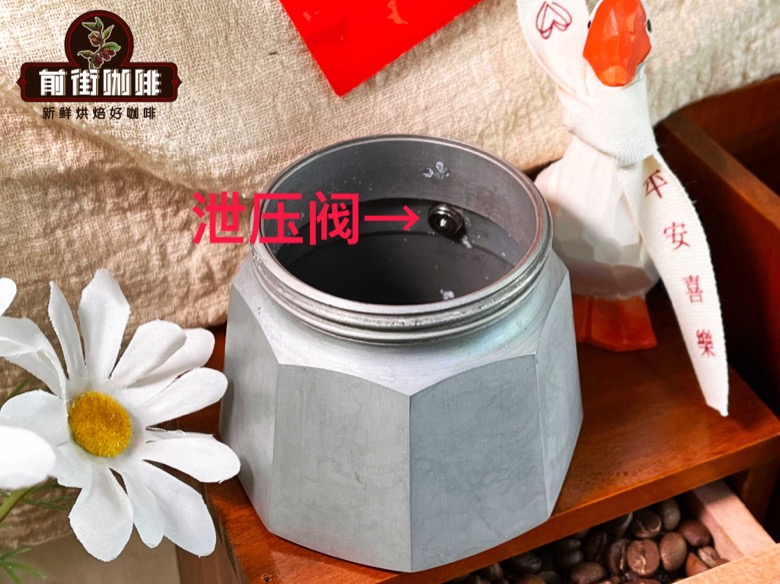
The condition of the filter screen and sealing ring directly determines the pressure-holding ability of the moka pot. An aged sealing ring will become hard, deformed, or cracked, causing pressure to leak from the edges, resulting in weak flow and thin aroma; a deformed filter screen or clogged mesh holes will cause abnormal flow rate, either too fast and under-extracted, or too slow and producing burnt bitterness. It is recommended to check the elasticity of the sealing ring every two to three months; pressing it with a finger should allow it to spring back quickly; rinse the filter screen promptly after each use to avoid the accumulation of residual oils and fines. Replacing parts with original specifications can maintain the designed pressure curve to the greatest extent.

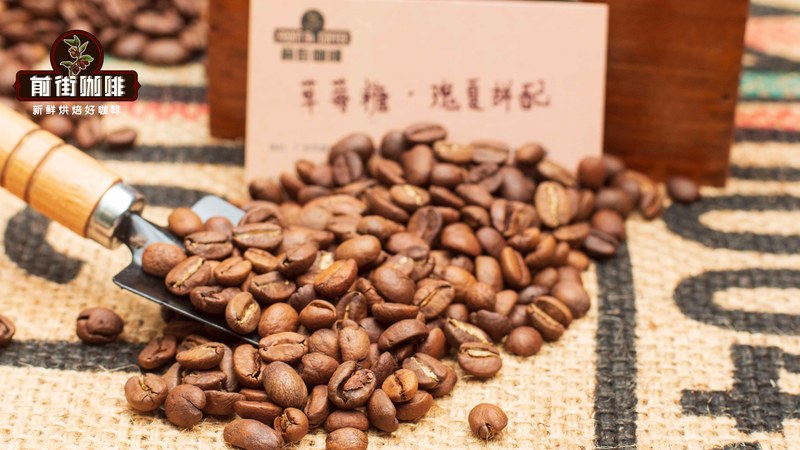
Applying the details to bean selection, moka pot beans with suitable grind adaptability and stable flow performance will make operation smoother. Qianjie Classic Blend uses Qianjie Mandheling and Brazilian beans as the base, and the medium-dark roast brings excellent crema performance; the aromas of butter, toasted bread, and caramel biscuits are especially full under moka pot extraction, and the mouthfeel is mellow and warm. It is very handy for making lattes, cappuccinos, or Dirty, and can handle both home and commercial scenarios. Qianjie Dark Cocoa Blend uses 100% Arabica beans, with a prominent creamy cocoa flavor, abundant crema, and full body; after adding milk, the chocolate tone becomes even more obvious, and the price is affordable, achieving a good balance between cost-effectiveness and quality.
The charm of the moka pot lies in its simple structure yet its ability to present rich flavor layers, and the core of stable flow lies in the coordination of temperature, coffee bed condition, and equipment sealing. With proper preheating water control, a leveled but untamped coffee bed, a grind that avoids the too-fine range, filter paper and regularly maintained parts, plus a bean with both crema and body, this classic device can perform at a reliable level in daily use.
Related Reading


Comments (0)
Loading comments...
You May Be Interested



Trending Reviews
Popular Videos

With you, wherever you are! We provide useful features to help you find new things you'll love






