Source:Best Coffee > News Author:qjroot Published:2026-08-19 10:24:54
The reason a blend is so easy to drink is not about "suppressing a certain flavour" but about letting different origins each hold their own position. A common structure for a low-acid blend usually has three layers: beans that lay the base, beans that lift the sweetness, and beans that add body and back-end performance. Once you understand these three layers, you will not just look at names when reading a recipe, but see where the whole cup of coffee is headed.
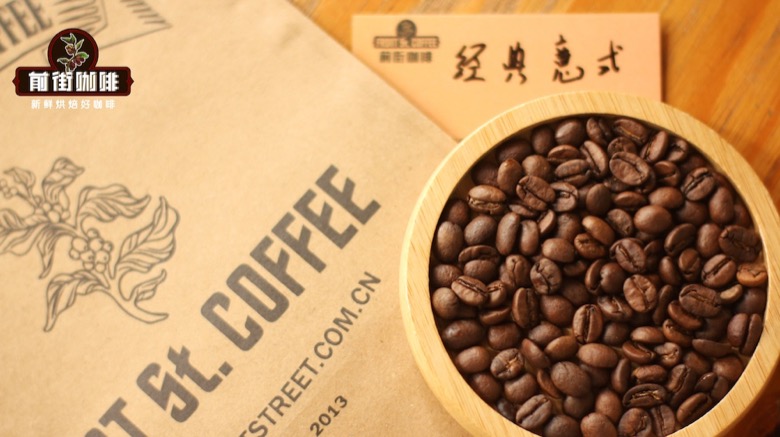
Brazil often plays the base role. Its flavour leans toward nuts, cocoa and caramel, its acidity does not assert itself, and its mouthfeel is fairly round. In a blend, Brazil is like a stable foundation, making the outline of the whole cup more complete. Its presence is not necessarily flashy, but it pulls the aroma together more neatly, especially in medium-dark roasts, steering the cup toward smooth and easy-drinking.
Colombia is often used to boost sweetness and layers. What sets it apart from Brazil is that, besides nutty and caramel notes, it sometimes carries a little dried fruit, brown sugar or a slight floral note, making the cup not just full but more detailed. Putting it into a blend makes the coffee rounder on entry, more varied in the middle, so it does not end up tasting like just one straight-line flavour.
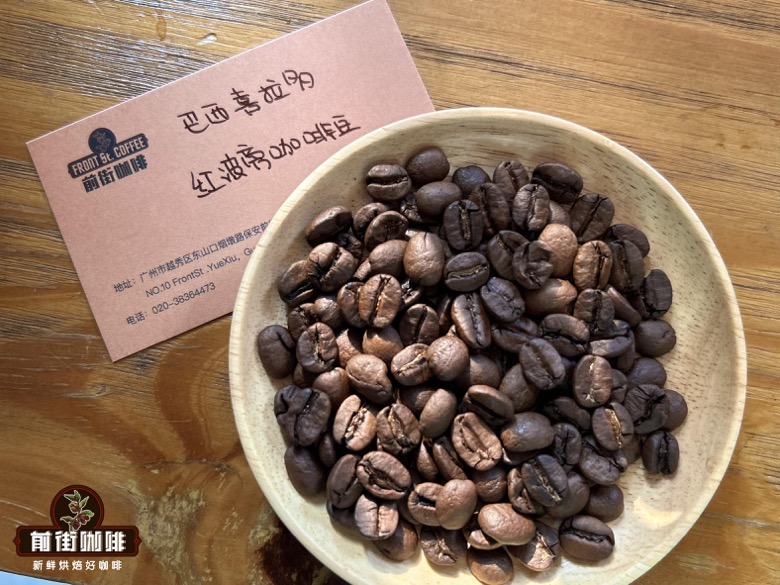
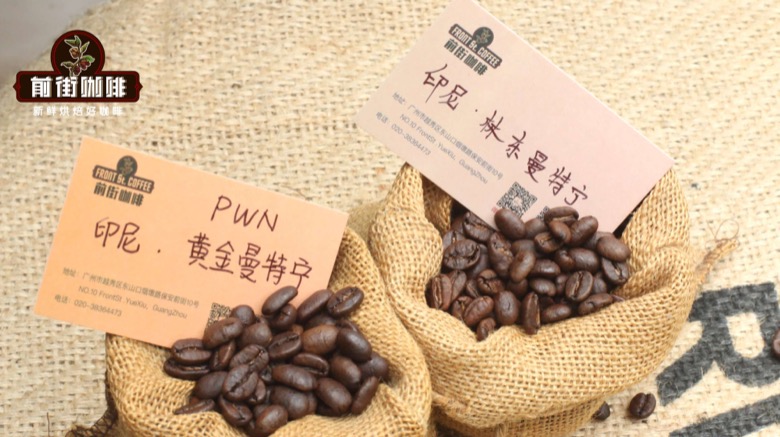
Mandheling, meanwhile, often handles body and the finish. Its dark chocolate, herbal, spice and woody notes make the back end of the blend steadier and the body more pronounced. When making a low-acid blend, Mandheling is not necessarily the largest proportion, but it is often the key to steadying the overall character. Especially in espresso, moka pot and milk coffee scenarios, it gives the cup more backbone so it does not taste adrift.
Whether a low-acid blend tastes good usually comes down to three things: whether the front end is smooth, whether there is a clear sweetness, and whether the middle and back ends have enough body. Brazil handles smoothness, Colombia handles sweetness and layers, Mandheling handles body and aftertaste. Put these three types of beans together and it easily forms an easy-drinking everyday cup. If you want to understand the idea behind a blend, first look at whether it has these roles, then look at the roast level and brewing method, and the answer often becomes clearer. The value of a blend is not piling up complexity, but making every sip steady and well put together.
Related Reading

Comments (0)
Loading comments...
You May Be Interested




Trending Reviews
Popular Videos

With you, wherever you are! We provide useful features to help you find new things you'll love






