Source:Best Coffee > News Author:qjroot Published:2024-09-14 18:46:32
According to Colombian media reports, the Colombian Institute of Hydrology, Meteorology and Environmental Studies (Ideam) recently reported that although the end of El Nino was declared in July, its aftermath is still affecting Colombia. Currently, the period from August to September is Colombia's summer and also its dry season, with hot and very dry weather.
As a result, the water levels of several reservoirs that mainly supply Colombia's capital Bogota are not optimistic, and they have been on alert status in recent months. Recently, the reservoir situation has worsened, with water levels dropping sharply, and severe water shortages are expected in the capital Bogota and several nearby areas.
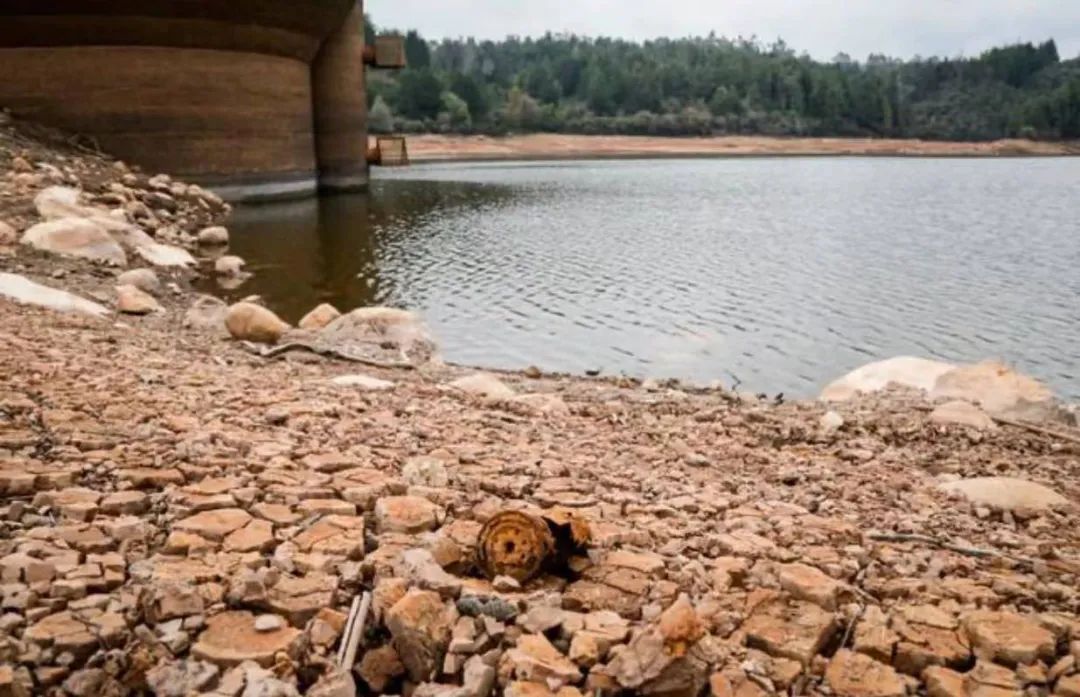
According to reports, Cundinamarca Department, where the capital Bogota is located, is mainly supplied by three water sources. The largest water source supply is the Chingaza dam, which provides 70% of the water resources, while the rest is provided by reservoirs in the north and south. However, the most serious situation at present is precisely the Chingaza dam, which includes two reservoirs, San Rafael and Chusa, among which Chusa has the largest storage capacity, with about 220 million cubic meters of water under normal conditions.
In early August, the Chingaza dam could still provide more than 52% of capacity water, but since then it has been gradually declining, and this week the dam's output has reached only 38.84%. The situation is very critical, because the reservoir volume depends on rainfall in the Orinoquia Basin, but since the beginning of this year, rainfall has been very low, with no rainfall for most of the time, so the capacity water available has been continuously decreasing. In addition, water levels in reservoirs located in the north of the capital are also trending downward, increasing supply pressure.
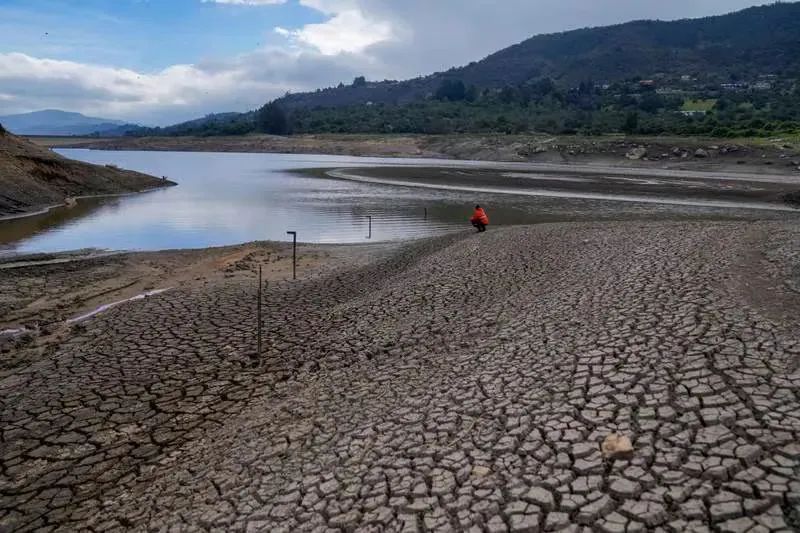
In fact, as early as early April this year, Colombia had already reported water shortages, and the country also entered a state of natural disaster. By the end of April, Colombia began to enter the rainy season, which could alleviate the drought, but rainfall did not meet expectations and could not completely solve the drought. By early July, Colombia entered the dry season, which once again intensified the drought and has continued to this day.
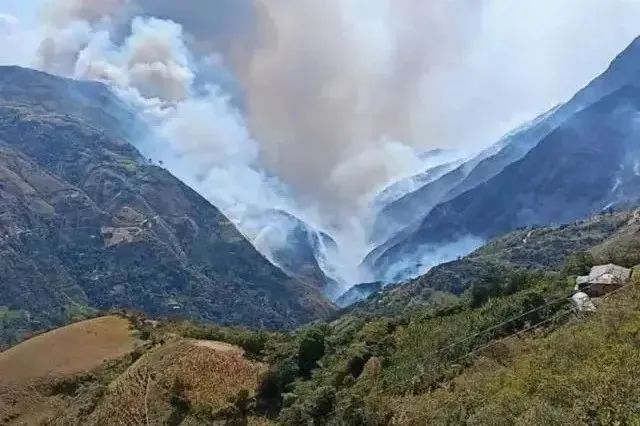
In addition, with persistent drought and hot weather in South America, many countries in South America have been affected by fires, and Colombia is no exception. Earlier, it was reported that the largest fire in nearly 30 years occurred in Cauca Department in the southwest, causing serious impacts on many areas of the department. Large amounts of crops such as coffee were destroyed, and surrounding water sources were also affected.
Therefore, the Colombian Commission for the Regulation of Drinking Water and Basic Sanitation (CRA) recently announced a series of stricter measures to manage and conserve water use. A more severe charging system will be implemented for users who exceed the established water use limits. In addition to individuals, penalties will also be imposed on companies that fail to meet water loss reduction targets, along with a series of penalties for bulk water supply contracts, in order to control and reduce large water consumption.
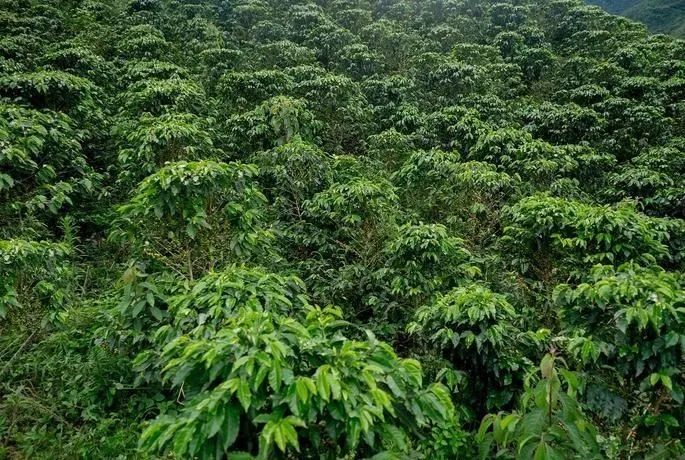
This is undoubtedly a major challenge for the country's coffee industry, as it limits current water use. Many experts are calling for agricultural industries such as coffee and bananas to adopt more efficient irrigation techniques to optimize water use, rather than using water arbitrarily. It is reported that because Colombia's climate is currently relatively dry and rainfall is very limited, coffee plants need more water for irrigation to grow. A lack of water will be detrimental to coffee growth, while increasing irrigation may exceed the established water use limits and lead to fines.
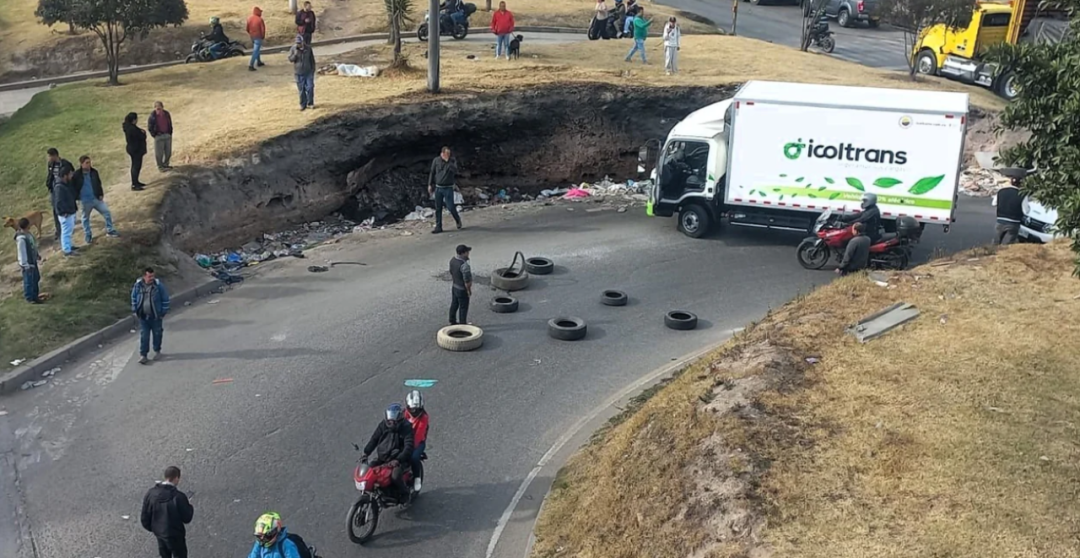
Moreover, coffee exports are currently facing a crisis. At the end of August, the Colombian government issued a new fuel policy, canceling fuel subsidies and raising the price per gallon of diesel. After the policy was announced, it triggered opposition from many vehicle-related workers, especially truck drivers. Roads in many parts of Colombia were blocked. The blockade was initiated by truck drivers on September 2, and communication between the government and the strikers failed to resolve the issue.
Initially, road blockades were only implemented in areas near the capital, but the situation has now worsened, and drivers have also begun protesting and blocking roads in other provinces. The most seriously affected is the Valle del Cauca department, as it is home to Colombia's main ports, disrupting normal freight logistics and directly affecting coffee exports from producing regions to ports. Therefore, many industry insiders are worried that, because nationwide protests and road blockades broke out in 2021, causing coffee exports in May of that year to be almost zero, if this strike action cannot be resolved in the short term, it will greatly affect the export situation of coffee and other products.
To learn more about coffee origins and news, please scan the QR code to follow: Kaping
Long-press the QR code to follow:

Related Reading






Comments (0)
Loading comments...
You May Be Interested





Trending Reviews
Popular Videos

With you, wherever you are! We provide useful features to help you find new things you'll love






