Source:Best Coffee > News Author:qjroot Published:2024-11-25 15:46:43
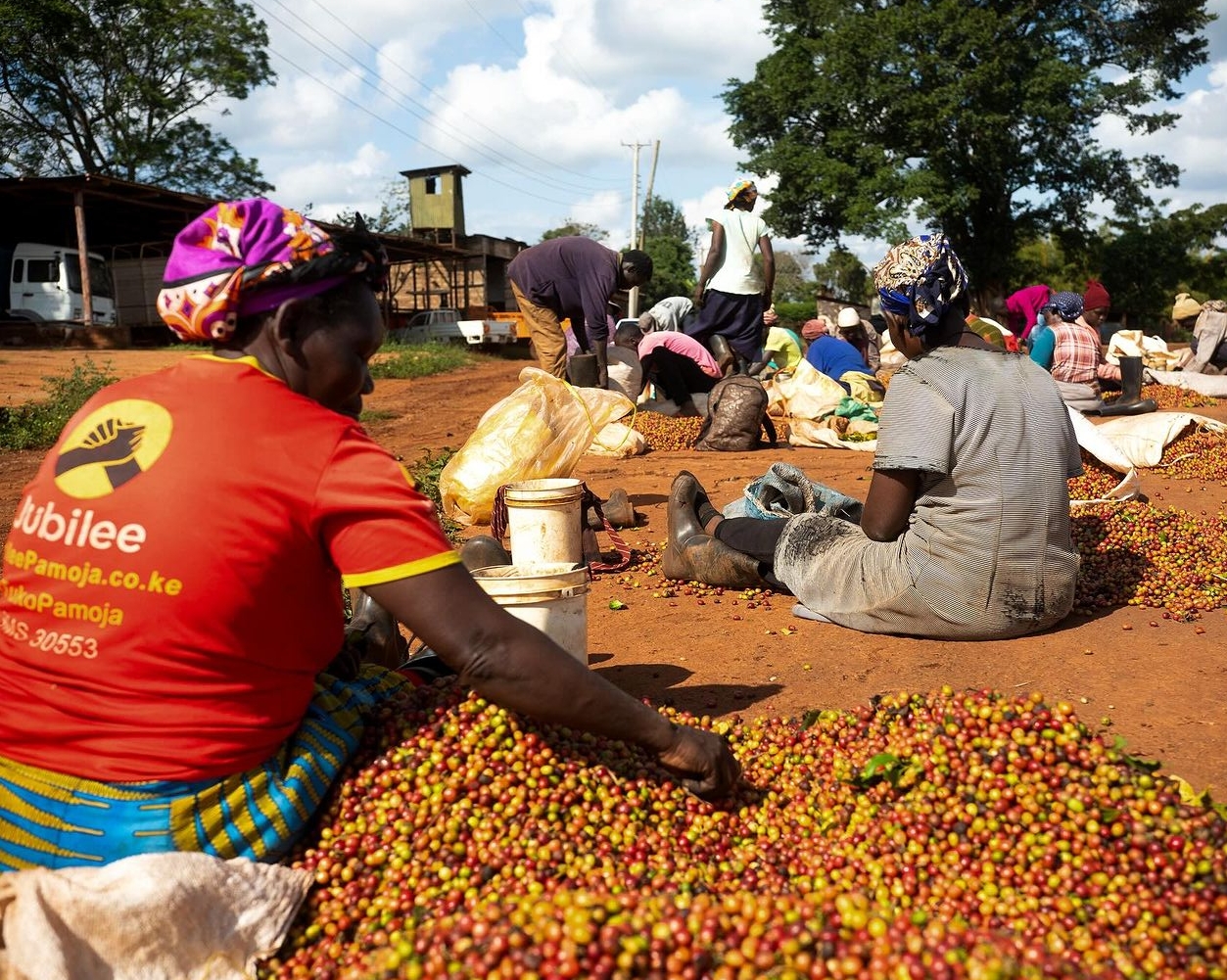
Africa has a very high profile in the global coffee market, and coffee is mainly grown in East Africa, the highest region in all of Africa. Because the East African Rift runs north to south through it, bringing numerous mountains, volcanoes, lava plateaus and lakes along its course, the region is rich in natural resources, and therefore has quite a few well-known coffee-producing countries to its name, such as Ethiopia, widely recognized as the birthplace of coffee, or Kenya, known for its diverse flavor layers and juice-like acidity.
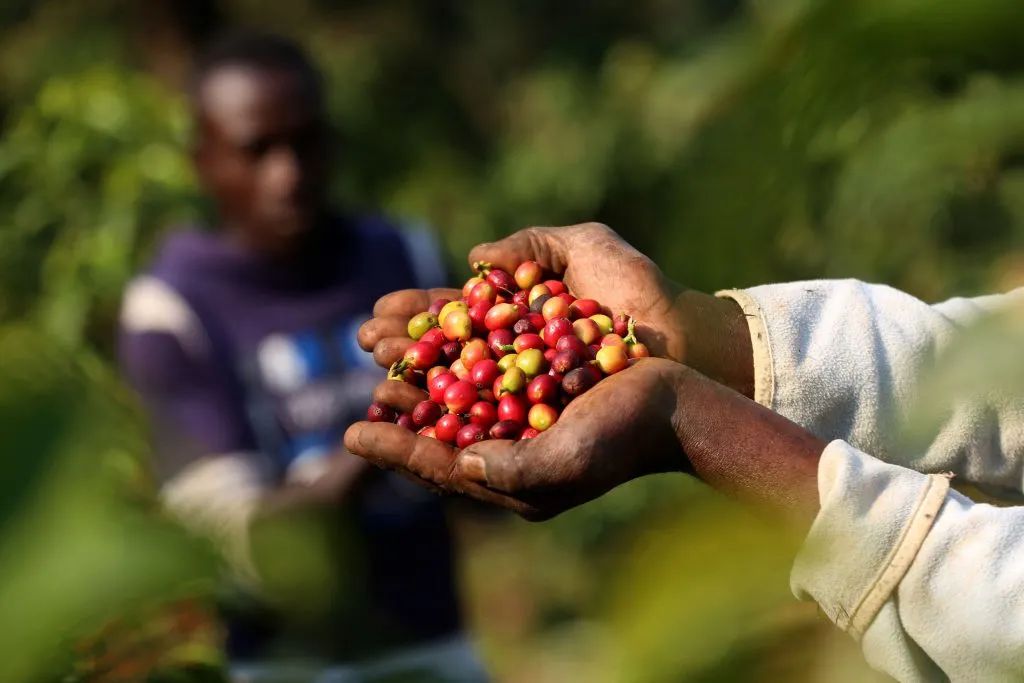
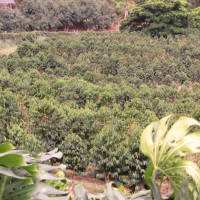
Kenya straddles the equator and has a diverse climate. The entire country lies in the tropical monsoon zone, and most areas have a tropical savanna climate. The coastal areas are hot and humid, the highlands have a mild climate, and mountains above 3500 m are covered in snow year-round. Because of the influence of the monsoon climate, the year is mainly divided into a rainy season and a dry season. High-altitude mountains, volcanic soil, abundant sunshine and adequate rainfall provide ideal innate conditions for coffee growing.
Coffee is mainly grown in southwestern and south-central Kenya, and can be broadly divided into three major regions: the central region of Kenya, the East African Rift region, and the western region. The western region is concentrated in three major producing areas: Mt. Elgon, Trans-Nzoia and Bungoma, especially at the eastern foot of Mount Elgon. The East African Rift region is divided into two parts, Nakuru and Kisi, near the center-west.
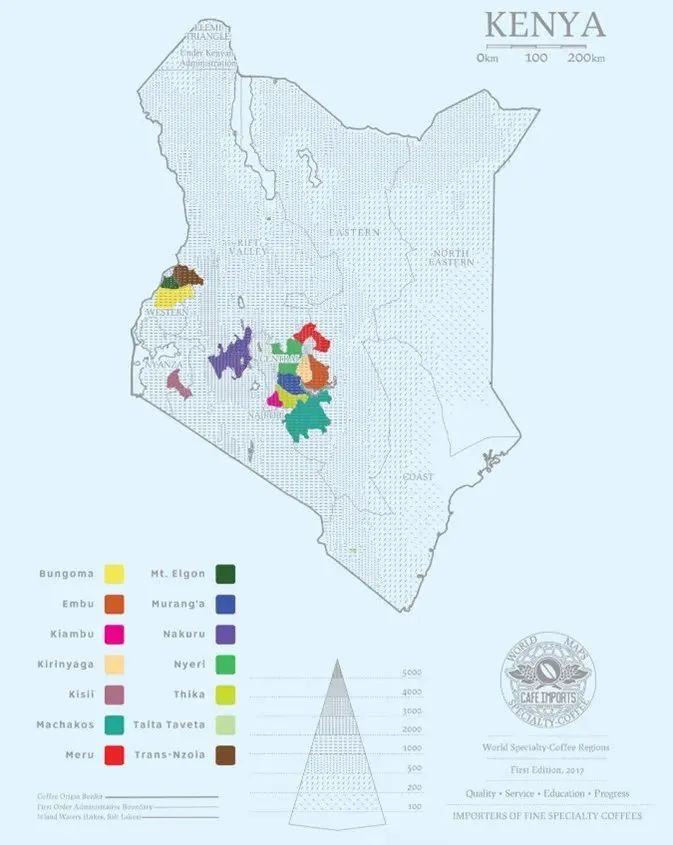
But if we are talking about the Kenyan coffee that baristas speak of, it is mainly concentrated in the central region of the entire country, which produces 60% of Kenya's coffee, mainly the Nyeri, Kiambu, Kirinyaga, Murang'a and Thika producing areas; these producing areas basically surround the Kenya volcano.
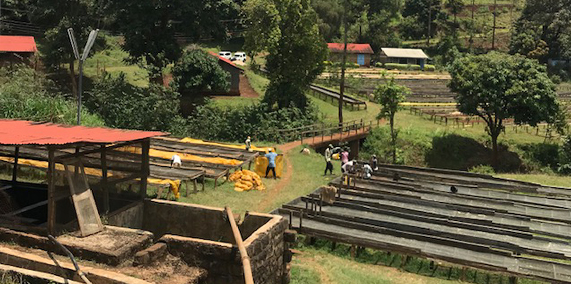
The best-known producing areas in Kenya are Nyeri, Kirinyaga and Thika. Thanks to the extinct volcano Mount Kenya here, which lies on the equator and is the second-highest peak in Africa, with the highest point reaching 5199 m, the area is usually shrouded in mist, the summit looming in and out of view, the peak snow-covered year-round, with 15 glaciers, while between 1500-3500 m there are mostly dense forests and plantations. The fertile soil brought by volcanic ash is very suitable for growing crops such as coffee and bananas.
FrontStreet Coffee's Kenya Azalea coffee beans come from the Thika producing area in the south of the extinct volcano Mount Kenya, using the locally common coffee varieties SL28 and SL34 and the K72 washed process. When brewed, you will smell ripe tomato and floral notes; on the palate there are flavors of cherry tomato, blueberry and smoked plum, with bright acidity, prominent sweetness, a juice-like quality and a clean mouthfeel.

In addition, the coffee-producing areas of central-western Kenya also perform well. The central-western coffee-growing belt is mainly Nakuru and Kisi, both located around the East African Rift. Among them, the Nakuru producing area is located in Nakuru city, the capital of Rift Valley Province and the fourth-largest city in Kenya, close to the Menengai Crater.
This place has abundant natural resources. Besides the Menengai Crater, there is also the well-known Nakuru National Park (NAKURU). According to FrontStreet, this park is famous worldwide for Lake Nakuru and flamingos. However, the city developed relatively late, beginning to rise in 1900 as an important station on the Mombasa-Uganda railway.
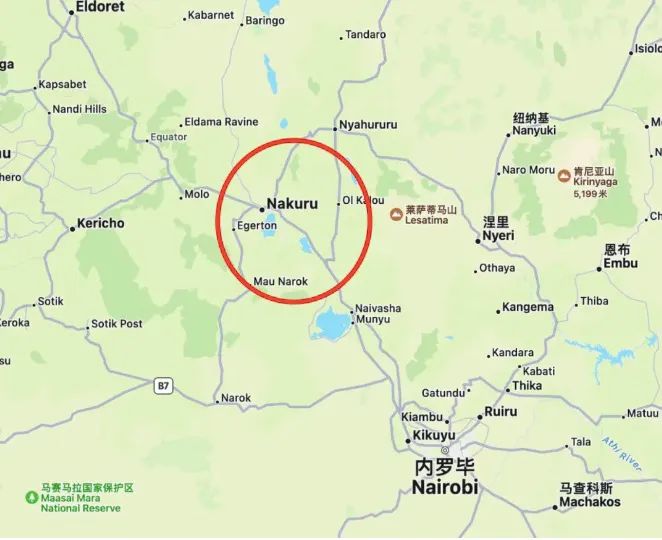
At first, only corn was grown here and livestock was raised; later, influenced by other parts of Kenya, coffee was gradually planted, and it also became one of the local higher-altitude growing areas, with coffee trees distributed between 1850-2200 m. The coffee produced has medium acidity, full fruit aromas and rich chocolate flavors.
Kenyan coffee has long been loved for its distinctive and complex berry acidity, the fresh sweetness of sugarcane and its juice-like acidity. FrontStreet believes this is inseparable from the two mainstream high-quality local varieties (SL28 and SL34) and the K72 washed method that is so characteristic of Kenya.
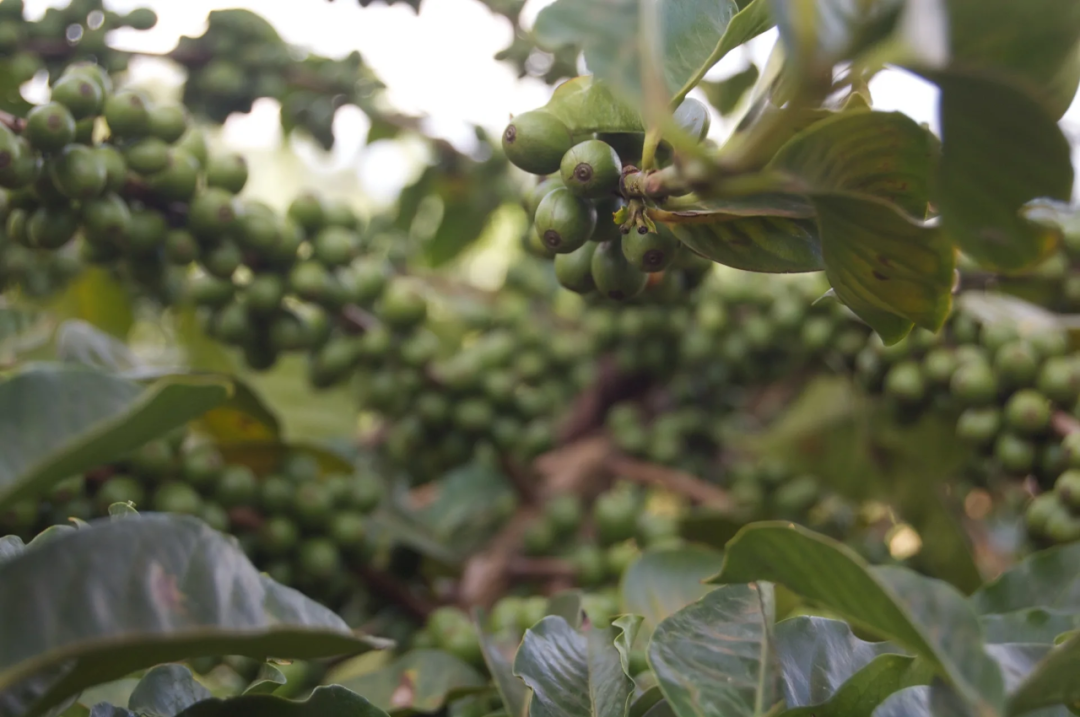
SL refers to Kenya's Scott Laboratories. In the 1930s, coffee berry disease broke out on a large scale in Kenya's coffee trees, so Scott Laboratories was commissioned by the government and began breeding new disease-resistant varieties. Among the research results, No. 28 and No. 34 had strong disease resistance and outstanding flavor. In this way, the two major varieties SL28 and SL34 created the classic deliciousness for which Kenyan coffee is known around the world, fascinating countless lovers of acidic coffee. The coffee variety of Qianjie's own-roasted Kenya Asalia coffee beans is SL28 and SL34, and the black coffee brewed from them shows rich aromatic notes of cherry tomato, black plum, snow pear, berries and more.
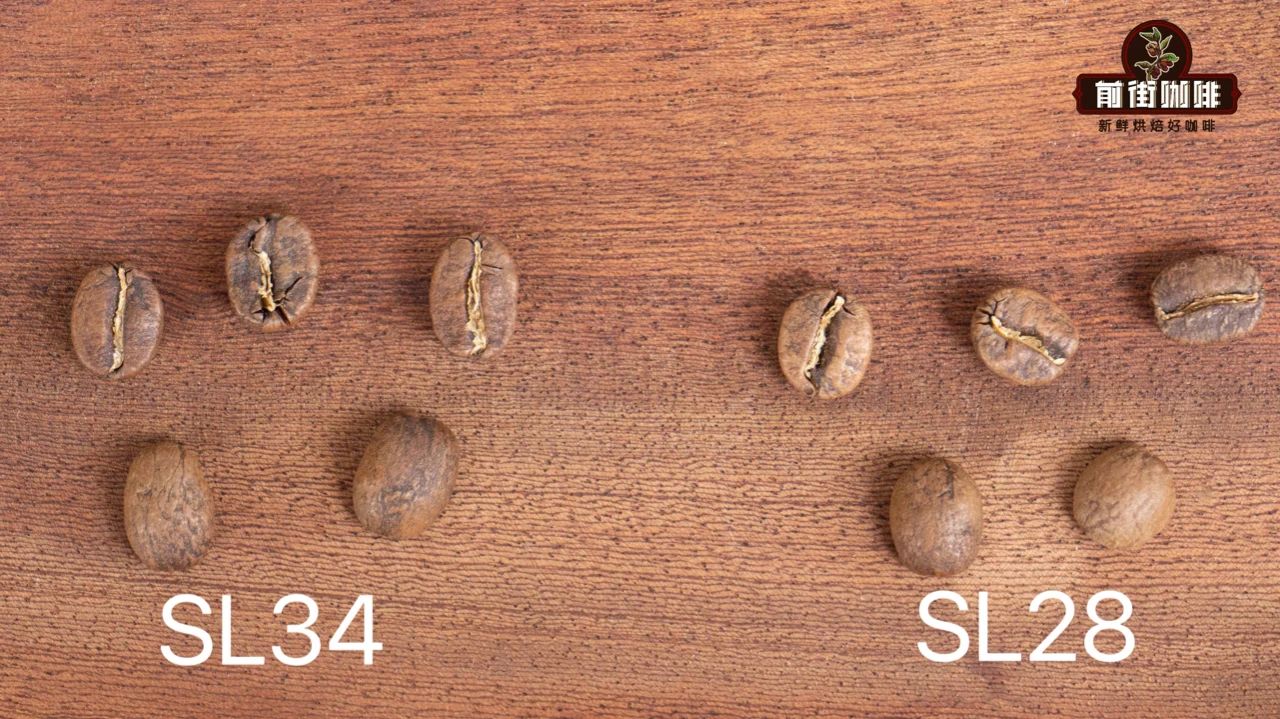
Although both SL28 and SL34 have the characteristics of high yield, ease of cultivation and suitability for cultivation at medium to high altitudes, they are both susceptible to pests and coffee diseases. In addition, because of their unique flavor, the SL varieties grown in Kenya are known for pronounced citrus, berry and dark plum flavors, higher sweetness, bright and rich fruit acidity, and a full-bodied mouthfeel. Varieties such as K7 and Ruiru 11 are also grown in Kenya, but because SL28 and SL34 are more unique and richer in flavor, they are more popular.
Related Reading





Comments (0)
Loading comments...
You May Be Interested



Trending Reviews
Popular Videos

With you, wherever you are! We provide useful features to help you find new things you'll love






