Source:Best Coffee > News Author:qjroot Published:2026-09-18 16:46:59
In cold brew coffee, more than 98 percent is water, and the quality of the water used to soak the coffee grounds directly determines the pace at which aromatic compounds are released. When making cold brew at home, if the aroma feels less clear or the fruity acidity seems dull, it is often not a shortcoming of the coffee beans themselves, but rather water hardness and dissolved substances affecting the extraction. As long as you match the bean to the water's characteristics, you can easily make a cup of refreshing ice coffee with distinct layers.
The total dissolved solids in water, namely the TDS level, as well as the content of calcium and magnesium ions, have a significant impact on flavor expression. In high-hardness water with more minerals, the ions tend to accelerate the release of heavy, rough phenolic substances, making the cold brew lean toward a thick, woody tone; while soft water with lower TDS, because there are no excess mineral ions interfering, can free up space for light fruity acidity and floral notes to unfold, presenting a bright fruit flavor.
In an everyday home environment, commercially bottled purified water or finely filtered soft water are both capable helpers for making cold brew. This type of water has very few impurities and lacks the interference of jumbled minerals, so it can fully restore the regional flavor that light-roasted beans naturally carry. If you want to taste a delicate, sweet texture like cold-brewed fruit tea, using purified soft water with a high-altitude single-origin bean featuring floral and fruity notes often brings a delightful experience.
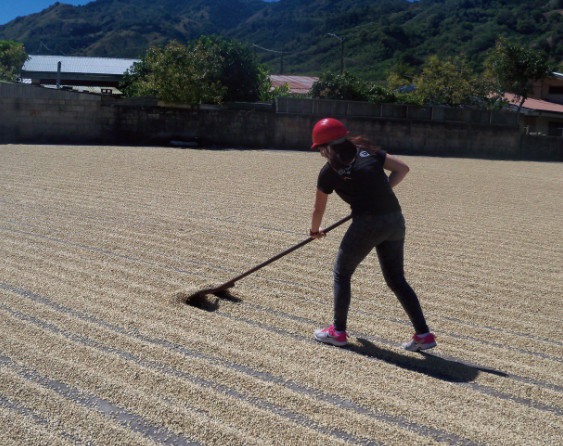
Qianjie Yirgacheffe Gutingding is very suitable for making with purified soft water, carrying white flowers, citrus and cranberry sweetness, with a green tea aftertaste in the finish. If you first calibrate the flavor with pour-over, it is recommended to use a water temperature of 90°C, 15g of coffee grounds, and 225ml of water to maintain a 1:15 coffee-to-water ratio. For the pouring method, first pour in 30ml of hot water and bloom for 30 seconds, then pour in two stages in gentle circles up to 225ml and stop, controlling the total time at 2 minutes 05 seconds, and the floral and fruity aroma will be clearly expressed.
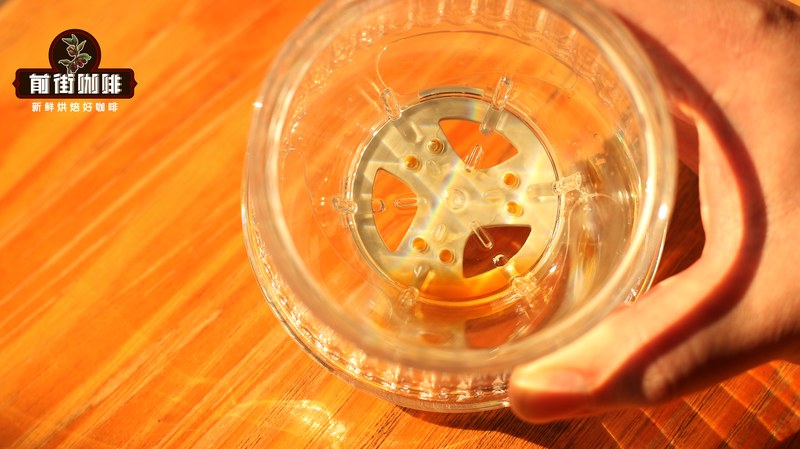
When making cold brew with this bean, the purer the water, the lighter and livelier Gutingding's citrus tone becomes. Choose purified water at a room temperature of 22°C, take 15g of coffee grounds, pour in 225ml of water at a 1:15 ratio, use a single-stage pouring method that slowly saturates the coffee bed, and let it steep at room temperature for a total of 10 hours before filtering. The filtered coffee liquid is bright in color, and the lively fruity acidity transforms in the water to become extremely smooth, with every sip full of pleasant floral and fruity fragrance.
For friends who prefer tropical fruit flavors, Qianjie Ethiopia Huakui is an outstanding choice, carrying the sweet aroma of ripe strawberry, passion fruit and tropical fruit candy, with abundant sweetness. When making this bean, you can try mineral water with a TDS between 50 and 80; the moderate magnesium ions in the water can beautifully bring out the berry sweetness, making the whole cup of cold brew go down as easily as fruit juice.
To experience the original high sweetness of Qianjie Ethiopia Huakui, you can use pour-over parameters for comparative tasting. During brewing, use a water temperature of 91°C, 15g of coffee grounds, and a total water volume of 225ml to maintain a 1:15 coffee-to-water ratio. Use a three-stage pouring method: first pour 30ml of water to wet the coffee bed and bloom for 30 seconds, the second stage pours 95ml to promote the release of fruity sweetness, and the third stage pours 100ml to improve cleanliness, controlling the total time at 2 minutes 10 seconds, and the honeyed sweetness like strawberry preserves will be presented.
For enthusiasts pursuing a full body and a complex juice-like mouthfeel, Qianjie Colombia Xizhua can display a highly recognizable flavor. This bean carries the berry flavors of dark purple grapes, blueberries and ripe yellow apricots, with a rich juice-like quality. If you choose weakly mineralized water with a TDS of around 60 to steep the cold brew, it can both retain the blueberry berry aroma and allow the thick, mellow texture like apricot puree to fully unfold during the low-temperature steep.
When tasting Qianjie Colombia Xizhua by pour-over, use a relatively low water temperature of 89°C to highlight the delicate sweet acidity, prepare 15g of coffee grounds, and pour in 225ml of water at a 1:15 coffee-to-water ratio. The pouring method is completed in two stages: first pour 35ml of water to complete a 30-second bloom, then in the second stage pour continuously with a steady stream up to 225ml and stop, keeping the total time at 1 minute 55 seconds. The brewed coffee is full in aroma, with soft acidity and a distinct juice-like charm.
When making cold brew coffee at home, as long as you grasp how to match water purity with the flavor characteristics of the beans, you can reliably obtain a richly layered taste experience. Choose a suitable fruity bean and pair it with a bottle of good water of appropriate hardness, letting the floral and fruity aromas and the clean sweet aftertaste naturally blend into the cold brew liquid. Pouring out a cup of icy, pure coffee at any time is an easy and pleasant treat for the taste buds in daily life.
Related Reading

Comments (0)
Loading comments...
You May Be Interested



Trending Reviews
Popular Videos

With you, wherever you are! We provide useful features to help you find new things you'll love






