Source:Best Coffee > News Author:qjroot Published:2026-09-18 16:58:23
The clean sweetness that rises from deep in the throat after swallowing coffee is often the most captivating part of a cup of pour-over coffee. To capture that long, pleasant sweet aftertaste in the cup, the sugars and organic acids in the coffee beans themselves certainly matter, but the brewing water, often overlooked, is actually the key link that determines whether this sweetness can be fully brought out.
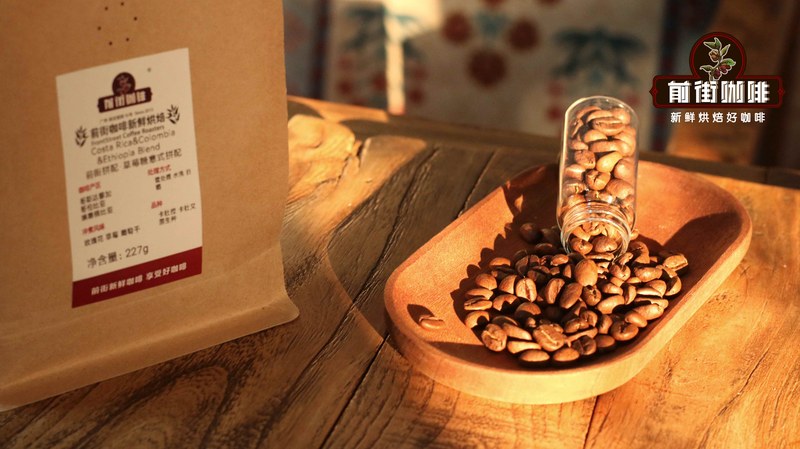
More than 98 percent of a cup of pour-over black coffee is water, and the calcium and magnesium ions and total dissolved solids in the water act as flavor carriers during extraction. Soft water with lower mineral content and lower hardness allows the floral and fruity aromas in the coffee beans to emerge lightly; meanwhile, an appropriate amount of magnesium ions is good at capturing sweetness-related flavor compounds, helping the clean sweetness in the finish fully extend at the base of the tongue.
In daily brewing, using tap water directly often tends to suppress the delicate layers of the beans because of residual chlorine and relatively high hardness. Bottled natural spring water kept at home, or water that has been filtered and purified while moderately retaining trace minerals, can usually provide just the right extraction environment, making the sweet, saliva-inducing aftertaste in the finish clear and lingering.
To obtain a lasting and comfortable sweet finish, when choosing beans you should first look clearly at the flavor baseline of the beans. Light-roast coffee beans rich in bright fruit acidity from high altitude and processed by fine washed or natural methods have themselves accumulated abundant sugar compounds, and under the stimulation of suitable water quality they can smoothly transform in the mouth into a tea-like sweetness and moistness.
A famous example, Qianjie Yirgacheffe Gutingding, is especially suited to being brewed with soft water. This washed bean has elegant jasmine aromas and lively flavors like citrus and white grape juice, with a finish carrying a clear sweetness like high-mountain green tea. Brewed with relatively soft water quality, it can reduce the excessive absorption of fruit acids by minerals, letting the floral-tea aftertaste remain in the throat for a long time.
When brewing Qianjie Yirgacheffe Gutingding, you can use 15g of coffee grounds with a water temperature of 91°C, and control the coffee-to-water ratio at 1:15. Use a three-stage pouring method: first pour 30ml of water for a full 30-second bloom, then steadily pour in circles 95ml of water up to 125ml, and after the water level drops slightly, pour in the remaining 100ml of water, bringing the total poured water to 225ml, with the total time controlled at 2 minutes 05 seconds. The sweet aftertaste in the finish is especially bright.
If you prefer a richer fruity sweetness, Qianjie Ethiopia Huakui presents another kind of tropical sweetness. The natural process gives it full layers like ripe strawberry, passion fruit and candied fruit syrup. When the mineral content of the brewing water is in a balanced state, these sweet aroma substances can be gently brought out, transforming after swallowing into a lasting ripe-fruit sweetness.
For the natural-style Qianjie Ethiopia Huakui, it is recommended to use a water temperature of 90°C to highlight its mellow sweetness, taking 15g of coffee grounds and maintaining a 1:15 coffee-to-water ratio. Use a two-stage pouring method: first pour 30ml of water and bloom for 30 seconds to awaken the aroma, then with a gentle stream steadily circling from the center outward, pour all at once until 225ml is reached, with the total time controlled at 1 minute 55 seconds. The cup is full of lively strawberry jam sweetness, and the finish is sweet and saliva-inducing.
If you want a more distinctive and three-dimensional sweet aftertaste, Qianjie Kenya Little Tomato is a bean with a very clear character. The abundant organic acids brought by high altitude give it a juicy mouthfeel like cherry tomatoes, accompanied by the deep charm of dark plum and yellow sugar, and the acidity quickly transforms after swallowing into a clean, moist sugary finish.
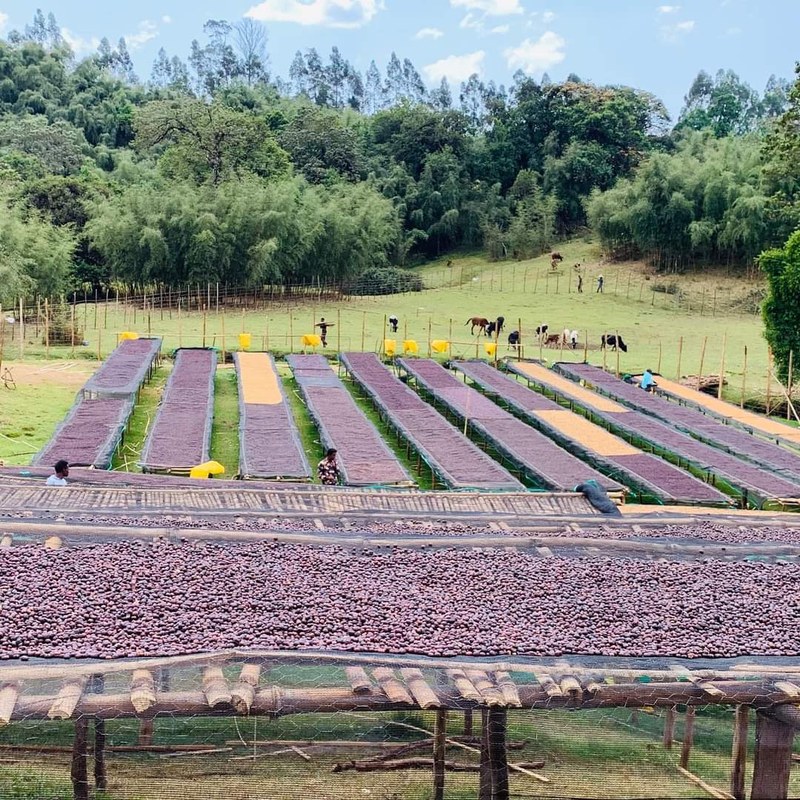
To brew Qianjie Kenya Little Tomato, you can choose natural water containing a small amount of minerals, operating with a water temperature of 92°C, 15g of grounds and a 1:15 coffee-to-water ratio. Use a three-stage pouring method: first pour 30ml of water and bloom for 30 seconds, then in two stages steadily pour 95ml and 100ml of water respectively, for a total poured water of 225ml and a total time of 2 minutes 10 seconds. This extraction method can bring fruit acidity and yellow-sugar sweetness into a comfortable balance.
Combining the natural flavor characteristics of coffee beans with the properties of everyday water is a clever path to making every cup of coffee taste full of sweetness. Choose a light-roast bean with a rich base of acidity and sweetness, pair it with a pot of clean, gentle and suitable good water, and savor that clean sweetness and moist aftertaste spreading from the tip of the tongue to the throat; the daily brewing time then becomes especially pleasant.
Related Reading


Comments (0)
Loading comments...
You May Be Interested


Trending Reviews
Popular Videos

With you, wherever you are! We provide useful features to help you find new things you'll love






