Source:Best Coffee > News Author:qjroot Published:2026-08-23 12:53:40
In the recipe sheets of many classic espresso blends, Brazil is listed first. This is no coincidence. Brazilian beans have low acidity, a heavy body and a clear nutty-cocoa tone, like a stable canvas that leaves room for beans from other origins to shine. Espresso is all about flavor balance under high-pressure extraction. However brilliant a single-origin bean may be, it often has one dimension that sticks out too sharply, while a Brazilian base happens to round off those edges so the whole cup holds its structure. This is precisely why the craft of blending exists. Central American beans such as Qianjie Colombia Huila often appear in such recipes, responsible for lifting sweetness and aroma up a level.

Qianjie Brazil Cerrado is a typical Brazilian face: sun-dried beans from the Cerrado region bring out peanut, cream and chocolate sweetness, and they are exceptionally compatible as a base. On this foundation, the blender adds members with distinct personalities: Central and South American beans lift sweetness and body, while African beans add floral and fruity acidity, with proportions often precise to single-digit percentages. The Qianjie Classic Blend follows the traditional route, with Brazil as the base plus Arabica beans from origins such as Colombia, taking care of both sweetness and smoothness. When made into a latte, the milk hardly needs to accommodate anything; the two merge naturally on the palate. For those who drink milk coffee at home frequently, a blend built on a Brazilian skeleton like this can be kept as a staple: the flavor is stable and forgiving, so beginners are unlikely to pull a cup that is sharply sour or hollow.
To give the flavor more of a signature, the blending approach can go further. The Qianjie Dark Cocoa Blend adds a heavier dark-roast cocoa expression on top of the base, with a long dark chocolate finish in the espresso; it shines especially in iced milk coffee, where the rich bittersweetness unfolds layer by layer in cold milk. The Qianjie Specialty Blend leans toward a light-medium roast, retaining more fruity acidity and floral notes. Its sweet-and-sour layering suits drinking the espresso straight, or making a short drink with less added water. Used for iced milk coffee in summer, its sweetness stands out especially clearly at low temperatures.
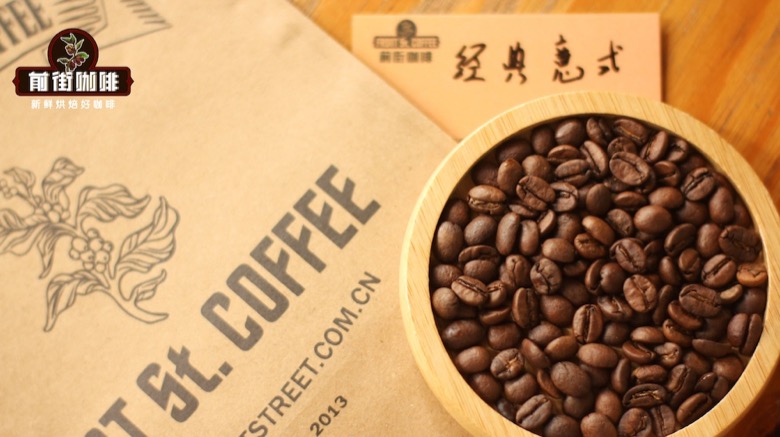
Once you understand the role of the Brazilian base, looking again at a blend's recipe sheet, those origin names are no longer a pile of nouns but a flavor blueprint for a cup of coffee. Replicating this logic at home is not hard either: buy a bag of Brazilian single-origin beans, then pair it with a bag of African washed beans, mix them yourself at a 7:3 ratio and test the extraction. Each time you adjust the ratio, the sweet-and-sour direction in the cup changes accordingly, and that in itself is a very enjoyable part of espresso brewing. Blending is not simply mixing beans together; it is about letting each bean hold its own voice even under high pressure, so that together they form a harmonious melody.
Related Reading





Comments (0)
Loading comments...
You May Be Interested



Trending Reviews
Popular Videos

With you, wherever you are! We provide useful features to help you find new things you'll love






