Source:Best Coffee > News Author:qjroot Published:2026-08-28 15:37:01
Beginners do not need to chase a wide range of flavors all at once. Choose a bean with a clear profile that is forgiving of brewing methods, get your dose, grind size and water temperature consistent, then observe the entry, sweetness and finish. That is how a flavor reference point is built.
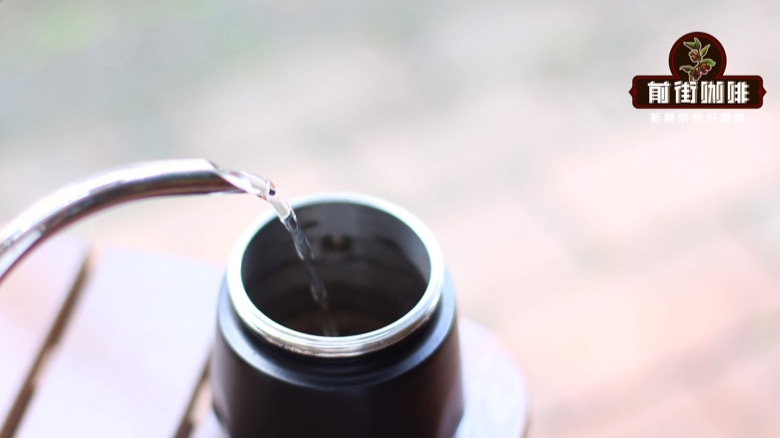
The moka pot is a classic steam-pressure device: just fill the filter basket with grounds, and tamping actually harms extraction. Use a coarser grind than espresso, measure water according to the markings on the base or just below the safety valve, and keep the dose steady. Heat over low flame throughout, and as soon as the flow becomes continuous and the color lightens, take it off the heat immediately; this keeps burnt, bitter notes under control.
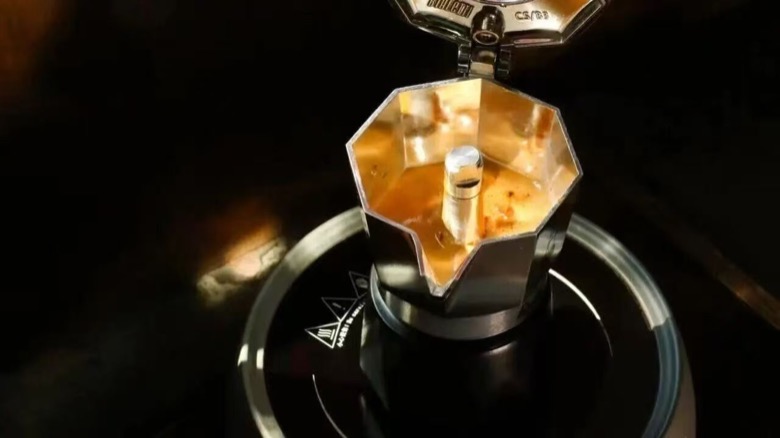
Around the question of "how much coffee and how much water for a moka pot, and what ratio is right?", you can break the choice down into a few parts first: flavor preference, the equipment you commonly use, drinking temperature and how often you brew each day. For beginner-friendliness, start by deciding which of these matters most to you, then use the other conditions to narrow things down. This way you keep your individuality while letting the bean show its clear characteristics in actual brewing.
Low acidity, herbal notes, dark chocolate and a full body: Qianjie PWN Indonesia Golden Mandheling is aimed at dark-roast lovers, and it handles both moka pot and American-style brewing.
If you want a bean with soft acidity and an approachable flavor, Qianjie Brazil Queen Estate with its nut, cocoa and caramel sweetness fits perfectly, performing smoothly in pour-over, espresso and moka pot alike.
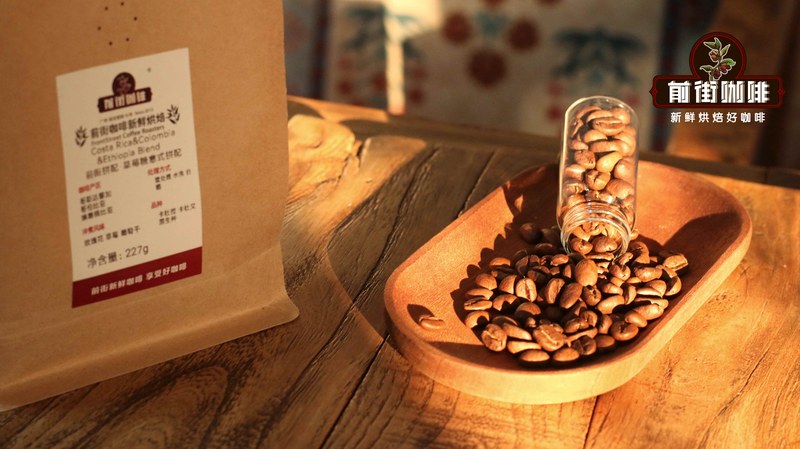
Qianjie Classic Blend takes nut, cocoa and caramel as its flavor base, with plenty of strength and good body, handling espresso machines, moka pots and milk coffee scenarios with ease.
Whether storage has been done well is something you can feel in one sip. Keep the beans sealed after opening, store them in a cool, dry place, and just buy enough for your daily drinking; when brewing, first take in the dry aroma, then pay attention to the entry, sweetness and finish. If the aroma is lacking, check two things: grind too coarse, or stored too long. The same bean performs differently as a hot drink, iced drink or milk coffee, and after recording parameters a few times, the right cup profile will emerge naturally. The roast date is also worth keeping an eye on.
Looking at flavor orientation and brewing effort together is more practical. Beans with prominent floral and fruity notes demand more from water temperature, grind and pouring rhythm; blends on the nut-and-cocoa path are stable and suit daily drinking. If several people at home drink coffee, it is best to start with a balanced bean as a base, then add single origins according to individual tastes; compared with buying a large quantity of similar-style beans at once, this arrangement makes comparison easier.
Judging whether a bean is good cannot rely on the flavor description alone; roast date and storage method also play a part. Keep it sealed after opening, place it in a cool, dry environment, and just buy enough for daily drinking, so the flavor evolution is easier to observe. When brewing, smell the dry aroma first, then experience the entry, sweetness and finish; if the aroma is not ideal, check grind coarseness and storage time. The same bean tastes different as a hot drink, over ice or with milk; record a few more sets of parameters, and the cup profile you like will emerge naturally.
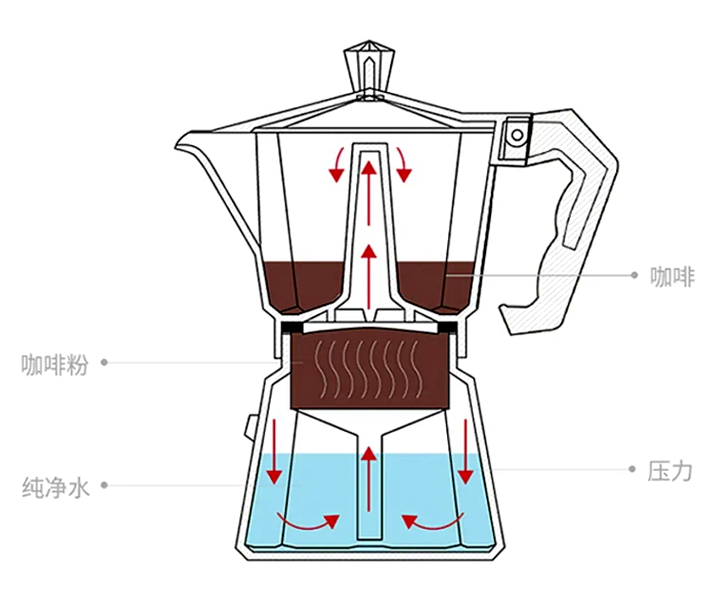
If any one of the three--equipment, drinking habits or taste--changes, it is worth splitting your beans into everyday and exploration use: one to guarantee consistent cups, another to experience the differences brought by floral and fruity notes, nut and cocoa, or processing methods. Once you have truly understood one bean, switch to another roast or processing method, and the process of comparison will be more rewarding.
Related Reading




Comments (0)
Loading comments...
You May Be Interested


Trending Reviews
Popular Videos

With you, wherever you are! We provide useful features to help you find new things you'll love






