Source:Best Coffee > News Author:qjroot Published:2025-12-15 09:21:23

For more specialty coffee knowledge, please follow: Frontstreet Coffee
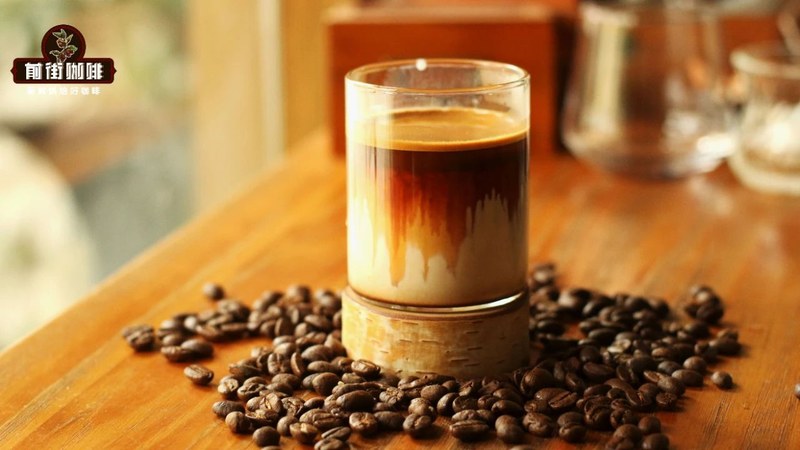
Everyone is familiar with Americano. Coffee fans who often come to the FrontStreet Coffee shop know that Americano is made by adding an appropriate proportion of water to the espresso that comes out of the coffee machine. Because it has a rich aroma and is refreshing, it has basically become a standard menu item at every coffee shop, and it is also the most popular black coffee, bar none.
So in this next article, FrontStreet Coffee will explain some knowledge about Americano and the correct way to drink espresso.
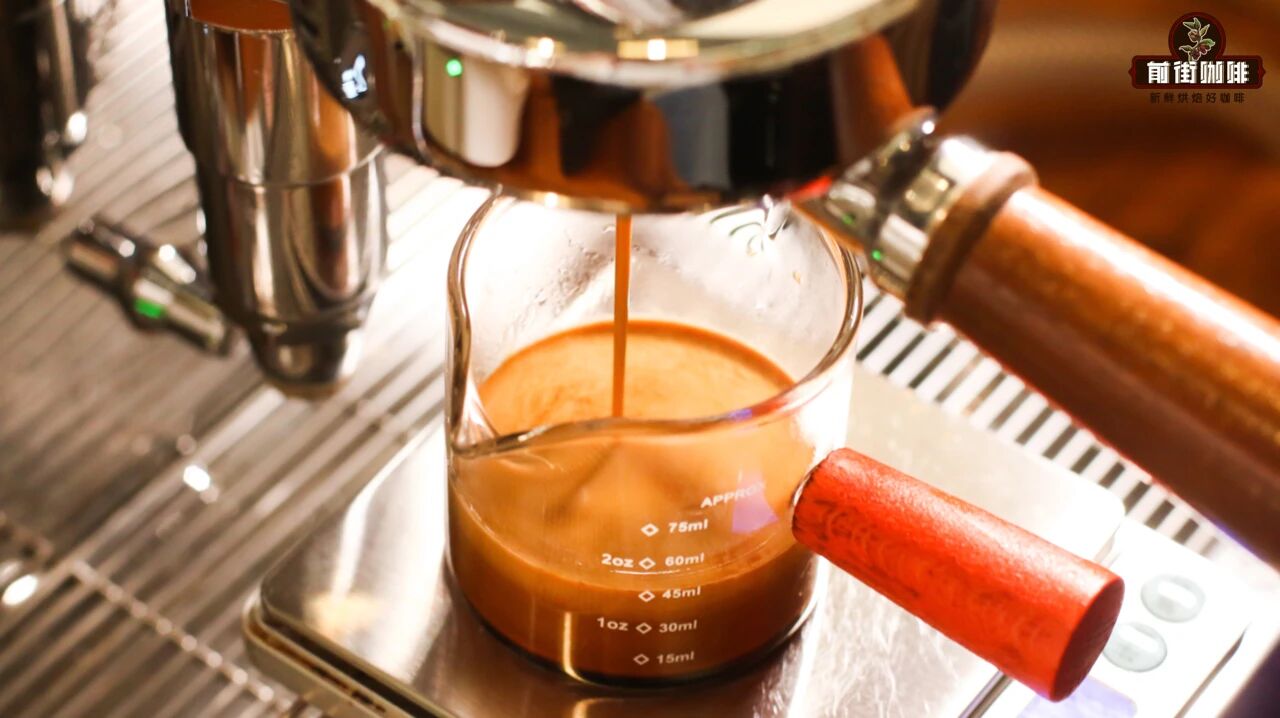
The Origin of Americano
The literal meaning of Americano is "American" in Spanish or Italian. The name of the coffee is directly related to its introduction, because many people believe that Americans invented the drink behind it.

According to legend, the origin of Americano dates back to when Americans ended the European war and many troops arrived in Southern Europe. They could not accept drinking espresso straight, so they diluted it with warm water. Only at that strength could they accept it, which shows that espresso was not born to be universally loved. Because this way of drinking was mainly practiced by American soldiers, people named it "Americano".
What is Americano?
First, what is Americano? As FrontStreet Coffee mentioned above, Americano is espresso diluted with drinking water. Is it really that simple? In fact, it is that simple; however, if you want to drink a cup of pure, delicious Americano, you must use a high-quality, delicious espresso as the base. So what counts as a delicious espresso base?

What is espresso?
As FrontStreet Coffee also mentioned above, espresso refers to concentrated coffee rapidly extracted under the high pressure of an espresso machine. The most obvious characteristic of an espresso machine is that it amplifies the original flavors of the coffee beans. For example, the flavor characteristic of Yirgacheffe coffee beans is citrusy lemon acidity, so during extraction the espresso machine amplifies the flavors of Yirgacheffe coffee beans. Similarly, if Indonesian Mandheling coffee beans are extracted with an espresso machine, their bitter flavor is also amplified. Therefore, generally speaking, espresso is not made from single-origin single-origin coffee beans, but from multi-origin blended coffee beans to achieve a balanced taste.

This shows that the extraction parameters for making espresso have a great influence on the flavor of a cup of coffee, and even a slight deviation can multiply the flavor of an espresso. A traditional single shot of espresso has a volume of about one ounce. So how exactly should its water-to-coffee ratio be calculated?
How is the espresso coffee-to-water ratio allocated?
First, FrontStreet Coffee understands that the amount of coffee powder is determined by the capacity of the espresso machine's filter basket (as shown below). Some coffee machine manufacturers offer double filter baskets in several capacity specifications such as 16g, 18g, 20g and 22g, and these specifications are recommended capacities, with a maximum filling powder deviation of less than 1g. For example, using an 18g filter basket, a reasonable powder amount range can be 17-19g.

Therefore, FrontStreet Coffee does not recommend a powder amount much smaller or much larger than the filter basket size. Because the amount of powder affects the density of the puck, under the same tamping force, too little powder will be looser, causing the flow rate to be faster and thus under-extraction; conversely, it will be denser, and the flow rate will be slower or even make it difficult to extract coffee liquid.
Characteristics of the espresso coffee-to-liquid ratio
Espresso uses the ratio of coffee powder to espresso liquid. Through practice, FrontStreet Coffee has concluded that it is impossible to calculate how much water was used for extraction this way, though some new coffee machines now install a flow meter at the water inlet to display the water volume. The original extraction ratio was the single-shot espresso standard: generally, 7-8g of powder can extract 25-30ml of espresso liquid. The former is a unit of weight, while the latter is a unit of capacity (volume); only when the density is consistent are the two equivalent. But coffee fans all know that the extracted espresso has golden crema, and the thickness of this crema depends on the roast level and freshness of the coffee, so using this measurement method will cause unstable output.

That is why the dose-to-yield ratio came about. It generally falls between 1:1.5 and 1:2.5, with 1:2 being the most common, such as extracting 40g of espresso from 20g of coffee grounds. The ratio is influenced by two factors, one is the dose, the other is the water amount. A ratio that is too low makes the coffee taste very intense and heavy, and it easily carries the bitter taste brought on by over-extraction. Conversely, a ratio that is too high makes it taste thin and insipid, along with the sharp acidity brought on by under-extraction.
How do you define a qualified espresso?
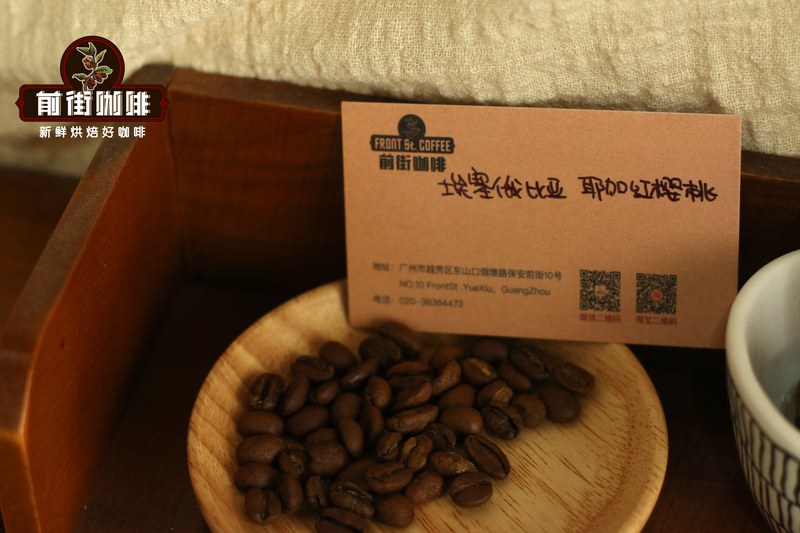
So how do you define a qualified espresso? FrontStreet Coffee believes it requires an espresso bean with a stable flavor. FrontStreet Coffee uses a Warm Sun blend of Ethiopian natural Red Cherry and Honduras Sherry coffee beans; the coffee extracted from this bean has a rich whisky aroma, soft berry acidity and a nut-like finish.

Besides having a stable espresso bean, the barista also needs to pay attention to the details of the parameters when extracting espresso. Making espresso seems to involve only a few simple steps, but there are many details to watch, for example, during extraction you need to pay attention to every extraction parameter, clearly weighing the dose of coffee grounds, the yield of extracted espresso, the extraction time, and the pressure of the coffee machine during extraction. These are all things a barista needs to watch at all times.
What is the difference between espresso and Americano?
So traditionally, Americano was generally brewed with an American drip pot, while espresso is the cream obtained by high-temperature extraction with an espresso machine, called espresso. However, at present, coffee shops commonly use an espresso machine to make espresso and then dilute it with water to make Americano.

The above is what FrontStreet Coffee has compiled regarding the differences between espresso and Americano and their flavor characteristics, hoping it can help coffee lovers who want to learn about this knowledge, so they can choose coffee beans that suit their own flavor preferences.
Related Reading

Comments (0)
Loading comments...
You May Be Interested


Trending Reviews
Popular Videos

With you, wherever you are! We provide useful features to help you find new things you'll love






