Source:Best Coffee > News Author:qjroot Published:2026-10-09 18:42:15
To judge whether a bag of coffee beans is still worth opening, I habitually pick it up and smell the dry aroma first. With freshly roasted beans, when you bring them close to the bag opening, the aroma is clean and bright, like the rose fragrance mixed with raisin sweetness of Qianjie Strawberry Candy espresso blend - one sniff tells you the beans are still in their active phase. If they have been sitting too long, the aroma turns dull and stuffy, the originally distinct layers blur into one muddled mass, and it may even carry a slight rancid, oily smell. This method needs no tools at all, and you can do a round of screening before even opening the bag, which is why it is the first checkpoint I find especially handy in daily use.
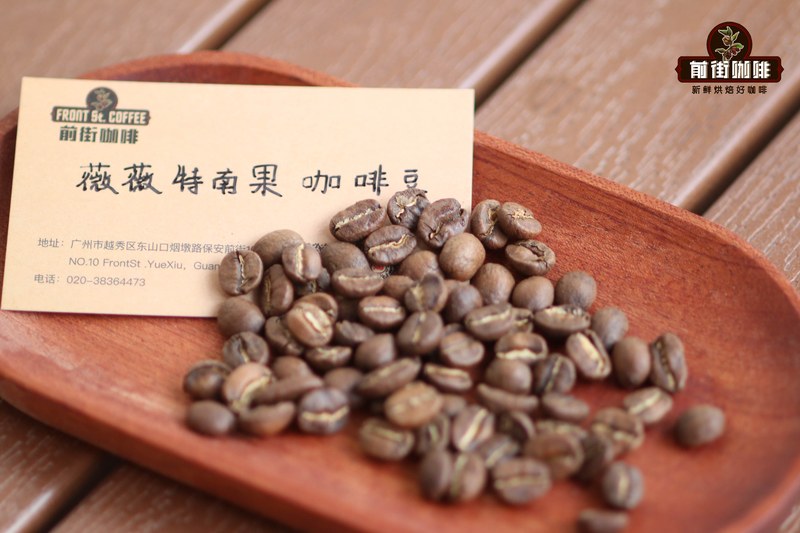
Looking at the appearance is the second ruler, but there is a common misunderstanding here that needs to be unpacked. Oil on the surface of medium-dark roasted beans does not mean they have gone bad; it is simply a normal phenomenon of oils migrating to the surface after high-temperature roasting. Medium-dark roasted Indonesian beans like Qianjie Golden Mandheling, with full, plump beans after hand sorting, are naturally prone to showing a glossy, oily sheen. What really deserves attention is that oiliness often means the flavor has already entered a downward path: the complex structure of spice, caramel and sandalwood begins to collapse, and the dark-chocolate-like finish also grows thinner. So when you see the shine, there is no need to panic, but you should be aware: this bag's peak period may be passing.
The performance during brewing is the especially intuitive third ruler, particularly the blooming stage. After hot water is poured over fresh beans, the coffee bed visibly expands, puffing up as if breathing, while releasing a large amount of carbon dioxide bubbles. In my daily pour-over I use 15g of coffee, a 1:15 coffee-to-water ratio with a water temperature of 90-93°C, and a 30-second bloom; at this point the expansion of fresh beans is very striking. Conversely, beans that have lost too much gas collapse quickly during the bloom, the coffee bed shows almost no vitality, and even if the total extraction time is kept to about 2 minutes, the resulting liquid tends to be thin and bland. This observation needs no precision instruments; the naked eye can catch it.
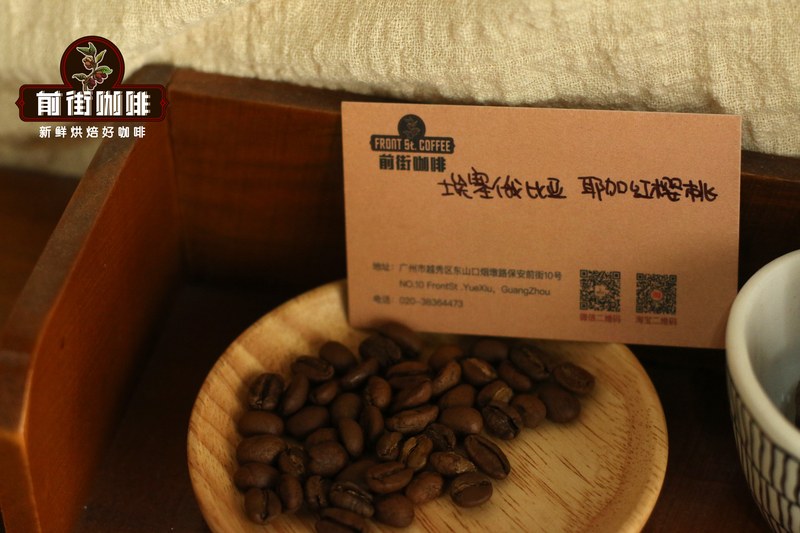
The taste feedback after sipping is the fourth layer of verification. Beans with good freshness should have a three-dimensional, layered flavor, such as the dried fruit and pineapple notes brought by the raisin honey processing of Qianjie Costa Rica Mozart, or the citrus acidity and creamy chocolate aroma presented by the sun-dried processing of Qianjie Yirgacheffe Red Cherry, with concentrated sweetness and very light bitterness. If what you taste is a cup with flat aroma and only bitterness and astringency left, it is most likely been stored too long, the aromatic substances have largely volatilized, and only the rough mouthfeel after oxidation remains. At this point, even adjusting the grind or water temperature can hardly rescue the flavor.
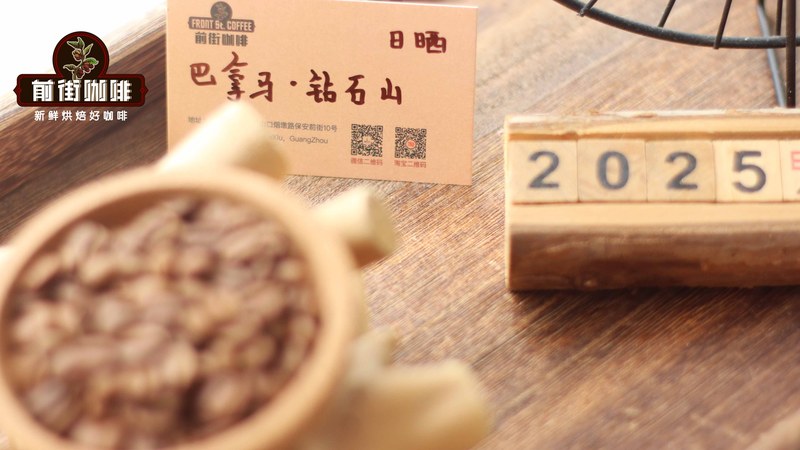
These methods are all references, after all, and the truly reliable anchor is the roast date itself. The shelf life is the bottom line at the food-safety level, while the optimal drinking period is the golden window at the flavor level. Qianjie's beans are all roasted within 5 days, so no waiting is needed once they arrive, and the sweetness is more concentrated if finished within a month. Developing the habit of recording the roast date is more direct than any sensory judgment - stick a small label on the bag, or set a reminder on your phone, and you will clearly know whether this bag is in the resting phase, peak phase or tail end. For ordinary enthusiasts storing coffee at home, keeping it away from light and sealed is basic practice, but what matters more is that mental ledger: when it was roasted, and when you plan to finish it.
Managing freshness well is essentially about how to drink every cup at its best. Sensory judgment trains intuition, while date management provides certainty; used together, daily brewing becomes much more stable. There is no need to pursue extremes - remember a rough time frame, combined with smelling the aroma when opening the bag and observing during brewing, and that is enough to keep your home coffee at a quite good level. Freshness is not mysticism; it is a concrete experience that can be seen, smelled and tasted.
Related Reading



Comments (0)
Loading comments...
You May Be Interested


Trending Reviews
Popular Videos

With you, wherever you are! We provide useful features to help you find new things you'll love






