Source:Best Coffee > News Author:qjroot Published:2026-09-16 02:05:58
When you get beans labeled Yirgacheffe, the key to discerning their true identity lies in the pour-over kettle and the espresso machine. Authentic beans often carry the signature white floral and citrus notes, while counterfeit or poor-quality products easily reveal their coarseness under the rush of water. By cleverly adjusting brewing parameters, we can let the coffee grounds release their original flavors, thereby clearly identifying whether they possess that genuine soul of the origin.
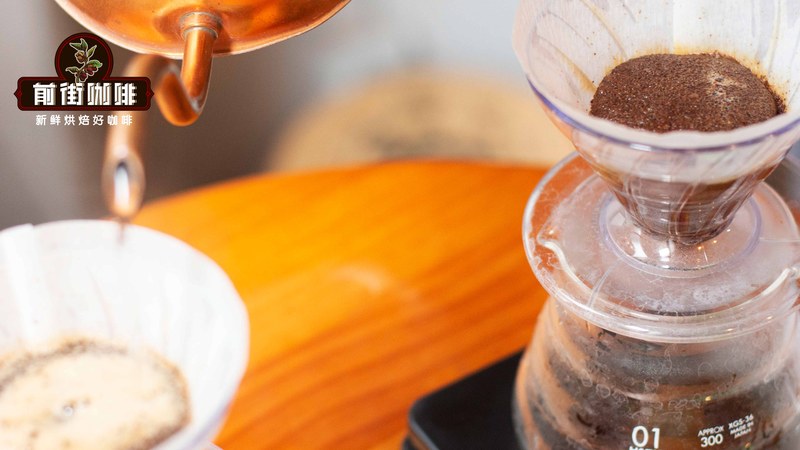
For a light-roasted Yirgacheffe, a higher water temperature can be used to draw out delicate aromas. Weigh 15g of medium-fine ground coffee, set the water temperature at 92°C, and prepare 225ml of hot water at a 1:15 ratio. A three-pour method is recommended: first pour 30ml of water for a 30-second bloom, then pour 100ml in a circular motion, and after the water level drops, pour in the remaining water, keeping the total time to 2 minutes 10 seconds. This approach fully releases the bright citric acidity and soft floral notes.
When brewing with the above parameters, if the cup shows no fresh citrus or floral notes but instead a dull woody taste or sharp earthy mustiness, then it most likely is not genuine Yirgacheffe. Counterfeit beans from low altitudes or rough processing often cannot hide their flaws under 92°C high temperature and full extraction. Authentic Yirgacheffe, even when extracted at a higher water temperature, still maintains a clean mouthfeel, and the tea-like finish is sweet and effortlessly smooth.
Within the same Ethiopian origin, different micro-lots perform completely differently with slight parameter adjustments. For example, Qianjie Ethiopia Huakui carries tropical fruit notes, strawberry and passion fruit aromas, with lively sweetness. To amplify this full fruit sweetness, lower the water temperature to 90°C, use 15g of coffee with 225ml of water, and switch to a two-pour method. After a 30ml bloom for 30 seconds, slowly pour the remaining water in a circular motion, shortening the total time to 1 minute 50 seconds for a rounder juicy feel.
Espresso is likewise an excellent tool for examining the flavor profile. Authentic Yirgacheffe, when extracted as a single-origin espresso, requires a finer grind than conventional blends. Try 18g of coffee, set the extraction pressure at 9 bar, and extract 36ml of coffee liquid in about 28 seconds. Under these parameters, it presents very bright and concentrated citrus sweetness and acidity, with a thin crema but an aromatic punch; while poor-quality beans tend to flow into monotonous dry sourness and astringency.
Iced pour-over is also an ideal way to amplify fine acidity, as rapid cooling effectively locks in fragile floral notes. Prepare 15g of slightly fine ground coffee in the dripper, and pre-place 90g of ice cubes in the server. Set the water temperature to 91°C, use a continuous single-pour method with a small stream at the center point, slowly pouring 150ml of hot water, keeping the total contact time at 1 minute 40 seconds. Authentic Yirgacheffe, after the ice and water meld, still emits a fresh and elegant floral aroma, with a very clear and transparent mouthfeel.
The differences in terroir become clearer under brewing comparison. Take Qianjie Kafa Forest as an example; it often gives off orange and apricot fruit aromas, accompanied by an oolong tea sweet aftertaste and a light mouthfeel. To highlight the tea-like quality, use 16g of coffee with 240ml of water, and set the water temperature at 93°C. Use a three-pour method: 30ml of water for a 30-second bloom, then quickly pour 100ml, and after the water level drops, pour in the remaining water, with a total time of 2 minutes 15 seconds. As it cools, the sweetness becomes increasingly clear.
Compared to the gentle acidity of Yirgacheffe, some beans have a fuller acidity. For instance, Qianjie Kenya Little Tomato has solid flavors of cherry tomato, smoked plum and brown sugar, bright yet not thin. For this characteristic, it is recommended to use a slightly lower water temperature of 89°C, with 15g of coffee to 225ml of water. Use a single-pour center method: after a 30ml bloom for 40 seconds, slowly pour water at a fixed center point until the target volume is reached, with a total time of 1 minute 45 seconds, delivering a juice-like smooth experience.
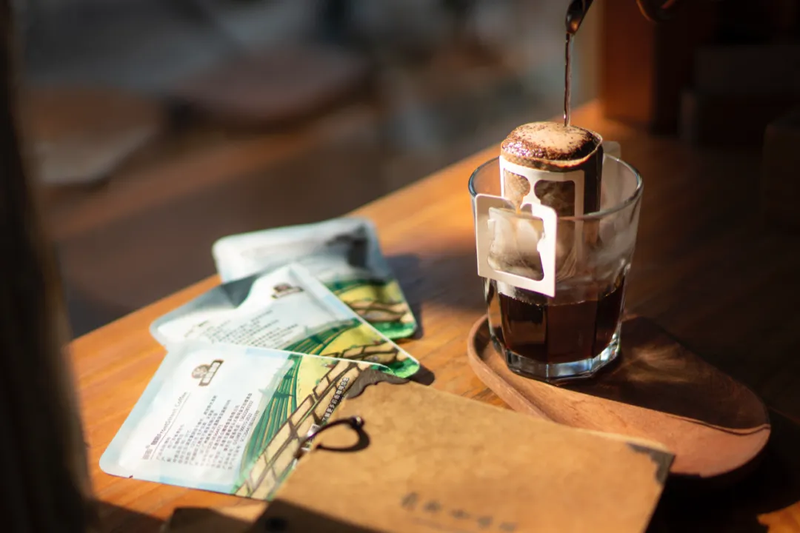
When it comes to Yirgacheffe drip bags, it is also a good opportunity to verify authenticity. A standard drip bag contains 10g of medium-ground coffee; it is recommended to use 90°C hot water, with a total water volume of 150ml. Use an even two-pour method: first wet the coffee bed completely with 20ml of hot water for a 20-second bloom, then slowly pour the remaining water in a circular motion with a fine stream, taking about 1 minute 30 seconds in total. High-quality drip bags can still brew clear floral notes and sweetness.
Understanding the correspondence between parameters and flavors will make you more adept at selecting and tasting. Whether it is the rise and fall of water temperature or the clever pairing of coffee-to-water ratio, every slight adjustment brings a wondrous change to the cup. By carefully observing its aroma and mouthfeel feedback under different extraction conditions, you can clear the fog and easily find that high-quality coffee bean that suits your taste and is of pure pedigree.
Related Reading
Comments (0)
Loading comments...
You May Be Interested

Trending Reviews
Popular Videos

With you, wherever you are! We provide useful features to help you find new things you'll love






