Source:Best Coffee > News Author:qjroot Published:2026-08-15 15:20:24
The same Huakui: hot-brewed it's a bright juice-like cup, but cold brew turns sweeter, softer, more like an "iced drink." Why is the difference so big?
Today we start from the principles of extraction to explain clearly what cold brew actually changes, and then follow those principles to tell you how to choose beans for cold brew.
Change one: less release of bitter compounds.
Coffee's bitter compounds (some chlorogenic acid lactones, large-molecule substances produced by dark roasting) dissolve with low efficiency in low-temperature water. After more than ten hours of cold brewing, the bitterness is still far less than a few minutes of hot-water extraction - this is why cold brew is generally "not bitter."
Change two: acidity is more understated.
At low temperatures, both the dissolution and perception of fruit acids are blunted; the bright, sharp acidity in hot brew becomes a soft "fruity sweetness" in cold brew. People who dislike acidity or bitterness find cold brew easier to accept.
Change three: aroma is more reserved, sweetness stands out more.
Volatile aromas are released less at low temperatures, so cold brew doesn't smell as exuberant as hot brew, but on the palate the sweetness and body are instead more focused, with a smooth, full mouthfeel.
Since low temperature weakens acidity and bitterness while amplifying sweetness and aroma, then:
Beans that naturally carry rich fruity aroma and sweetness benefit the most from cold brew.
Qianjie Huakui: the tropical fruit aromas of strawberry, passion fruit and jackfruit become a glass of "iced juice" after cold brewing, with direct sweetness and low bitterness;
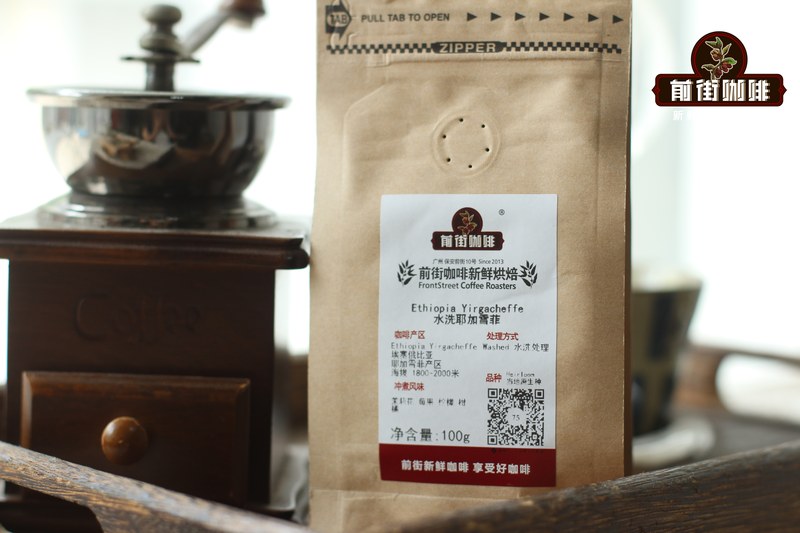
Qianjie Yirgacheffe Gudingding: citrus and berry notes, with a softer acidity in the cold brew version, a refreshing path;
Qianjie Strawberry Candy Cold Brew Blend: prepared specifically for the cold brew scenario, beans from multiple origins blend into a strawberry gummy sweetness, suitable both for the bitter-averse and for signature cafe offerings;
Qianjie Kenya Little Tomato: SL28/SL34 varieties, 72-hour double washed fermentation, with clear cherry tomato and smoked plum flavors after cold brewing, balanced sweet and sour, highly recognizable.
Conversely, dark-roasted, heavily bitter commercial beans are not recommended for cold brew - low temperature cannot save an inherently bitter, muddy taste.
Coffee-to-water ratio: 1:10-1:12 (after 12-16 hours of refrigeration you can add ice or dilute with water);
Grind size: coarse sugar level, one notch coarser than pour-over; too fine easily over-extracts and produces muddy flavors;
Water quality: cooled boiled water or filtered water, for a cleaner flavor.
Cold brew is not a "lazy version of pour-over," but an extraction method that redistributes flavor: sacrificing a little of the exuberance of aroma in exchange for lower bitterness, softer acidity and more focused sweetness. Choose the right beans and cold brew is the most cost-effective coffee solution for this summer.
Related Reading

Comments (0)
Loading comments...
You May Be Interested



Trending Reviews
Popular Videos

With you, wherever you are! We provide useful features to help you find new things you'll love






