Source:Best Coffee > News Author:qjroot Published:2026-10-09 09:30:41
Cold brew coffee is actually not hard to make: toss the coffee grounds into cold water, steep for 12 to 24 hours, filter it, and you have a refreshing, tasty glass of iced coffee. But many people find the taste is off after steeping, and the problem usually lies in bean selection. Low-temperature steeping gradually reduces the acids in coffee, and the aromatics do not easily escape, so cold brew tastes softer and rounder than hot-brewed coffee. But this also means the bean's own flavors get amplified: pick the right beans and cold brew is a glass of iced juice; pick the wrong ones and you may be left with nothing but a dull bitterness. Today I will start from three common flavor preferences and talk about how to choose the bean that suits you at home.
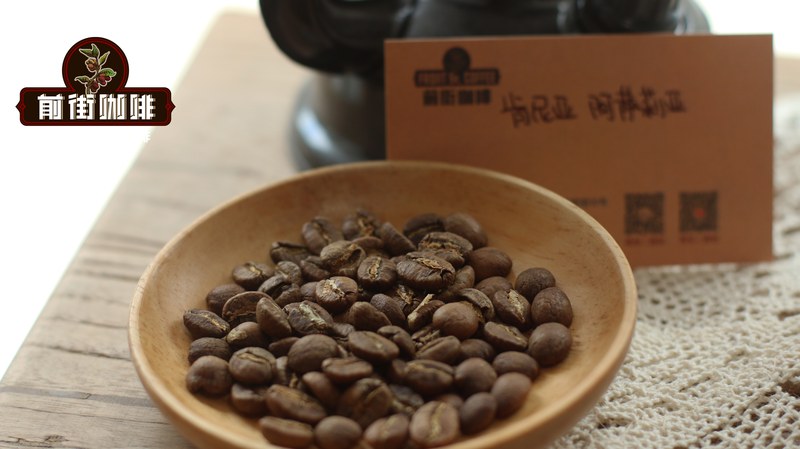
If you like floral and fruity aromas and want that bright sweet-and-sour quality, you can look first at light-to-medium roast beans from Africa and Central America. After washed processing, these beans have a particularly lifted acidity, and as cold brew they deliver a full juice-like body. One reminder, though: sun-dried (natural) beans have a more pronounced sweetness and a richer floral aroma, and after a long steep they also bring out some fermented notes, giving the flavor more complexity. For example, Qianjie Red Cherry is a classic natural Ethiopian bean, medium-light roast, with an obvious sweet aroma of ripe tropical fruit; cold brewed for 12 hours or more, the floral and fruity notes blend especially well, and in the finish you can catch a hint of a wine-like fermented quality, perfect for sipping slowly on a summer afternoon.  If you are interested in those concrete flavors where "one sip tells you exactly what fruit it is," there are now quite a few beans with special processing methods to choose from. These beans are specially designed at the fermentation stage, and after cold brewing the aroma becomes fuller as time works on it. Qianjie Strawberry Candy falls into this category, a medium roast whose dry aroma already shows clear strawberry and dried-fruit notes. Cold brew it at a 1 to 12 coffee-to-water ratio for 14 to 18 hours: the entry is the sweet-and-sour of grape and blueberry, and the lingering sweetness hides a hint of jam-like thickness. This kind of bean is very beginner-friendly; you do not need to fuss over extraction technique, and the flavors come out naturally once it has steeped long enough. If you want to try cold brew but are afraid of getting it wrong, you can start with this one.
Of course, some people just do not like acidity and only want a solid, full-bodied glass of iced coffee. That is when you should turn to medium-dark roast beans. High-temperature roasting causes the bean's acidity to be largely lost, developing instead caramel, spice and cocoa-type flavors. Qianjie Bird of Paradise comes from Papua New Guinea, a medium-dark roast, not high in acidity but not entirely without it either; as cold brew it is an especially balanced, solid coffee taste that even people who normally do not drink black coffee can accept. If you want to go further in pursuit of a rich body with zero acidity, you can try dark roast beans, such as Qianjie Mandheling, which after cold brewing has obvious spice notes and a silky mouthfeel like dark chocolate; just add two ice cubes and drink it straight, very satisfying.
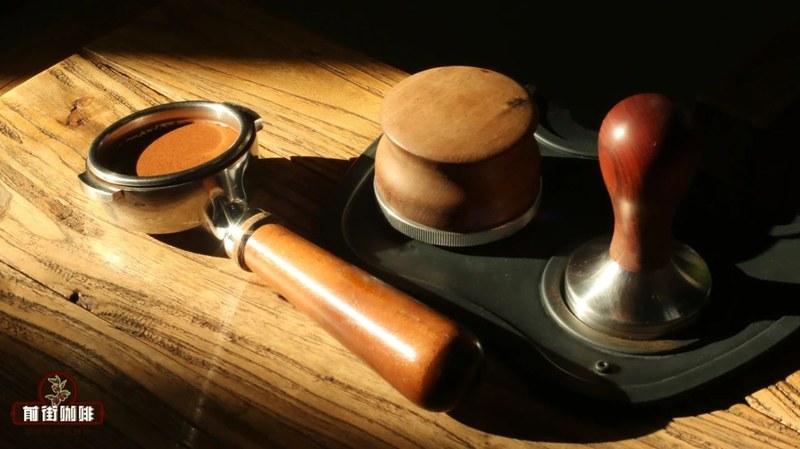
Now that the beans are covered, let me also standardize the parameters for several common iced coffee methods so you can try them at home for comparison. Cold brew is the easiest: a coffee-to-water ratio of 1 to 10 up to 1 to 16 all work, with 1 to 12 commonly used; steep in cold water for 8 to 24 hours, do not exceed 24 hours, and after filtering it is a concentrate that you can pour over ice or dilute with water. Ice drip is a bit more work: it relies on cold water from melting ice dripping one drop at a time through the coffee bed, taking 4 to 8 hours in total, and the flavor is cleaner than cold brew. If you want a quick glass, iced pour-over is the first choice: 15 g of grounds, pour hot water at 92°C to 93°C at a 1 to 10 ratio, that is about 150 g, while preparing 100 to 105 g of ice in the server, keeping the total weight at around 225 g; it is done in two or three minutes.
If you are interested in those concrete flavors where "one sip tells you exactly what fruit it is," there are now quite a few beans with special processing methods to choose from. These beans are specially designed at the fermentation stage, and after cold brewing the aroma becomes fuller as time works on it. Qianjie Strawberry Candy falls into this category, a medium roast whose dry aroma already shows clear strawberry and dried-fruit notes. Cold brew it at a 1 to 12 coffee-to-water ratio for 14 to 18 hours: the entry is the sweet-and-sour of grape and blueberry, and the lingering sweetness hides a hint of jam-like thickness. This kind of bean is very beginner-friendly; you do not need to fuss over extraction technique, and the flavors come out naturally once it has steeped long enough. If you want to try cold brew but are afraid of getting it wrong, you can start with this one.
Of course, some people just do not like acidity and only want a solid, full-bodied glass of iced coffee. That is when you should turn to medium-dark roast beans. High-temperature roasting causes the bean's acidity to be largely lost, developing instead caramel, spice and cocoa-type flavors. Qianjie Bird of Paradise comes from Papua New Guinea, a medium-dark roast, not high in acidity but not entirely without it either; as cold brew it is an especially balanced, solid coffee taste that even people who normally do not drink black coffee can accept. If you want to go further in pursuit of a rich body with zero acidity, you can try dark roast beans, such as Qianjie Mandheling, which after cold brewing has obvious spice notes and a silky mouthfeel like dark chocolate; just add two ice cubes and drink it straight, very satisfying.
Now that the beans are covered, let me also standardize the parameters for several common iced coffee methods so you can try them at home for comparison. Cold brew is the easiest: a coffee-to-water ratio of 1 to 10 up to 1 to 16 all work, with 1 to 12 commonly used; steep in cold water for 8 to 24 hours, do not exceed 24 hours, and after filtering it is a concentrate that you can pour over ice or dilute with water. Ice drip is a bit more work: it relies on cold water from melting ice dripping one drop at a time through the coffee bed, taking 4 to 8 hours in total, and the flavor is cleaner than cold brew. If you want a quick glass, iced pour-over is the first choice: 15 g of grounds, pour hot water at 92°C to 93°C at a 1 to 10 ratio, that is about 150 g, while preparing 100 to 105 g of ice in the server, keeping the total weight at around 225 g; it is done in two or three minutes. 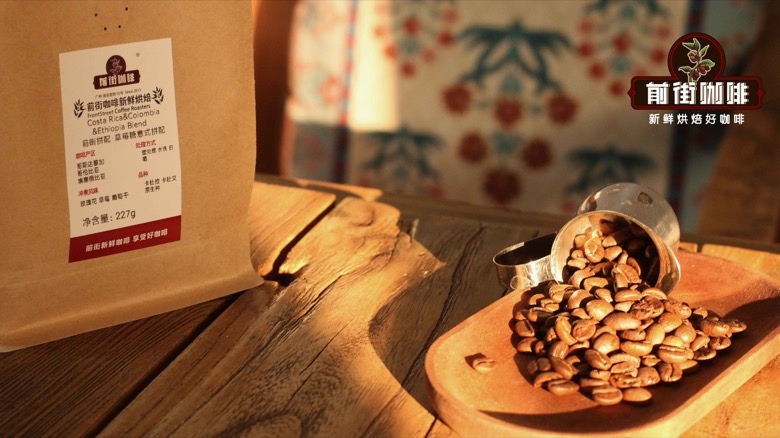 A little more on water temperature. Light-to-medium roast beans like Qianjie Red Cherry and Qianjie Strawberry Candy can use 92°C to 93°C for hot pour-over or iced pour-over, enough to bring out the floral and fruity aromas; medium-dark roast beans such as Qianjie Bird of Paradise are better lowered to 86°C to 88°C to avoid extracting a burnt, astringent taste. Because cold brew uses cold water throughout, you do not need to agonize over temperature; just choose good beans and calculate the time accurately.
In fact, when it comes to choosing beans, it ultimately depends on what flavor you want to keep waiting in the fridge. If you want a refreshing, juicy quality, natural African beans like Qianjie Red Cherry are very suitable; if you want to try concrete strawberry and grape flavors, Qianjie Strawberry Candy will deliver a surprise; and if you just want a steady, reliable glass of non-acidic iced coffee, Qianjie Bird of Paradise will absolutely not let you down. The charm of cold brew is that it hands time over to the cold water and lets the flavors speak slowly for themselves; choose the right beans, and leave the rest to a good night's sleep.
A little more on water temperature. Light-to-medium roast beans like Qianjie Red Cherry and Qianjie Strawberry Candy can use 92°C to 93°C for hot pour-over or iced pour-over, enough to bring out the floral and fruity aromas; medium-dark roast beans such as Qianjie Bird of Paradise are better lowered to 86°C to 88°C to avoid extracting a burnt, astringent taste. Because cold brew uses cold water throughout, you do not need to agonize over temperature; just choose good beans and calculate the time accurately.
In fact, when it comes to choosing beans, it ultimately depends on what flavor you want to keep waiting in the fridge. If you want a refreshing, juicy quality, natural African beans like Qianjie Red Cherry are very suitable; if you want to try concrete strawberry and grape flavors, Qianjie Strawberry Candy will deliver a surprise; and if you just want a steady, reliable glass of non-acidic iced coffee, Qianjie Bird of Paradise will absolutely not let you down. The charm of cold brew is that it hands time over to the cold water and lets the flavors speak slowly for themselves; choose the right beans, and leave the rest to a good night's sleep.
Related Reading




Comments (0)
Loading comments...
You May Be Interested




Trending Reviews
Popular Videos

With you, wherever you are! We provide useful features to help you find new things you'll love






