Source:Best Coffee > News Author:qjroot Published:2026-10-11 14:17:51
Over the years I have run my own shop, I have looked at quite a few menus for friends, and I noticed a pattern: if a coffee chain wants the same taste in every store, the bean list should not be made bigger, but made more reproducible. When a customer walks into any branch, the latte they order must not change in taste, and that matters far more than having a few extra choices on the menu. So the starting point for setting a bean list is to first think clearly about your cup structure, then work backward to how many beans you need.
My approach is to divide the menu into three lines. The base line accounts for more than 70% of cup output, and volume products like Americano, latte and cappuccino share one core recipe bean. Qianjie Classic Blend sits in this position, with Indonesian Mandheling, Brazil and a small amount of Robusta; the medium-dark roast brings aromas of butter, toasted bread and caramel biscuit, a solid body, fine crema, stable extraction and a clear cost structure. This bean is responsible for letting customers order with confidence every day and baristas produce quickly without mistakes, and it is the chassis of a chain store.
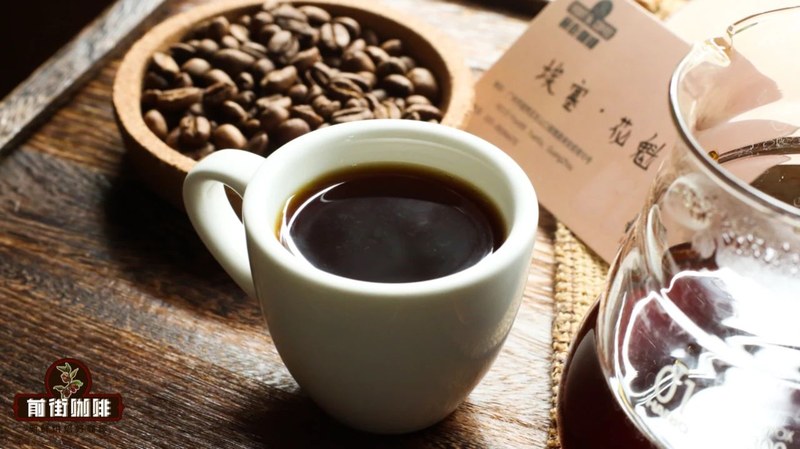
The signature line needs one to two beans with recognizability, so the brand has a concrete flavor coordinate in customers' minds. Qianjie Strawberry Candy Espresso Blend suits this spot; it is blended from Arabica from three origins, Costa Rica, Colombia and Ethiopia, medium roast, with rose fragrance wrapped around grape, dried blueberry and fruit candy notes, plenty of sweetness, light bitterness and soft acidity, and as a milk coffee it lets customers remember that this shop is different from others. Qianjie Huakui SOE can also take this role, an Ethiopian natural bean, medium roast, with flavors of red berries, light floral and orange, crema carrying citrus notes, a refreshing body and elegant aroma; served as espresso or from a moka pot, it adds a more advanced option to the menu.
The pour-over line is supported by single-origin beans, satisfying customers who want to slow down for a cup. Qianjie Yunnan Small Bean is the daily staple direction, Yunnan Baoshan washed Catimor, medium roast, soft nut and chocolate sweetness, with a little plum-like fruit acidity; both as a daily staple tier and for stability it suits chain scenarios. If you want to add one more lively-flavored bean, Qianjie Dark Cocoa Blend can also cover pour-over, a combination of Yunnan washed small bean and Brazil pulped natural Arabica, medium-dark roast, with flavors of cream chocolate, cocoa cookie and ripe plum, a balanced taste and golden crema luster, and on a pour-over menu it has a high tolerance for error.
The total number of beans is best kept to three to four. Each additional bean adds another layer of complexity to purchasing, warehousing, training and consistency of output. For chains, bean selection especially depends on supply stability; the same blend must be obtainable long term, and flavor differences between batches must be small, which matters more than the personality of a single-origin bean. Qianjie Huakui SOE and Qianjie Yunnan Small Bean can achieve close flavor between batches, and the recipe frameworks of Qianjie Classic Blend and Strawberry Candy Blend are also stable, suitable for long-term use across multiple stores.
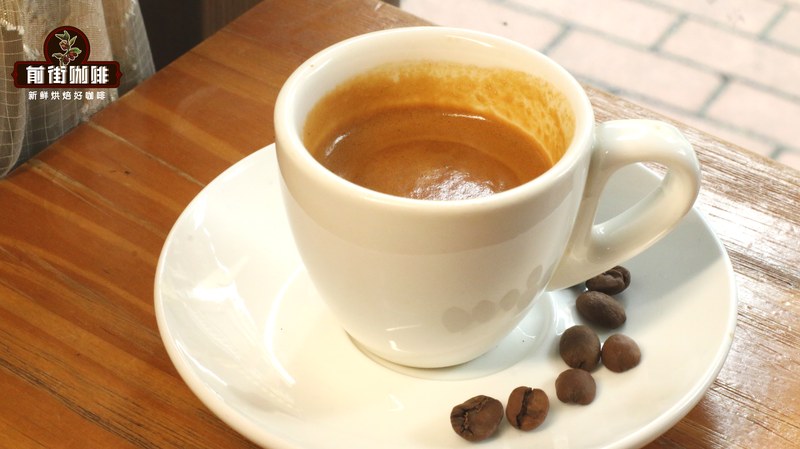
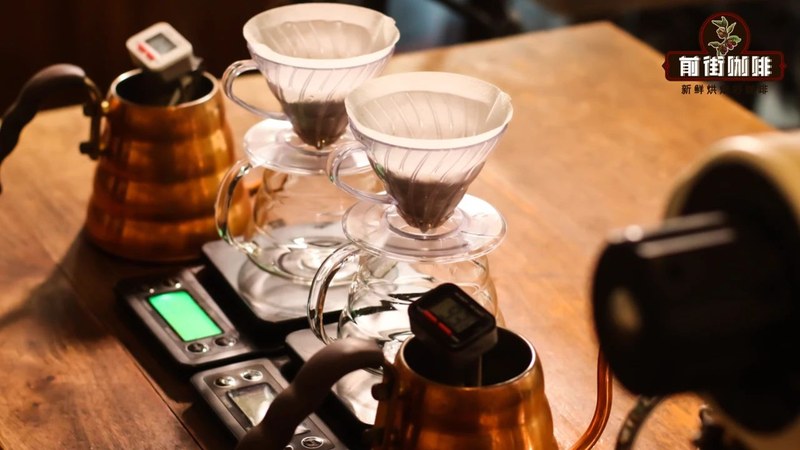
Freshness and bean resting are the links where chains easily drop the ball. Coffee beans sent by Qianjie are all shipped within five days after roasting, and the flavor is better if consumed within one month after opening; medium-dark roasted espresso beans should rest five to seven days after arrival before being put on the machine for extraction, and single-origin beans for pour-over should rest three to five days. Espresso extraction is carried out as a double shot, with a dose of 19 to 20 g yielding 38 to 40 g of coffee liquid in 25 to 30 seconds. Pour-over is operated with 15 g of grounds, a grounds-to-water ratio of 1 to 15, a water temperature of 90 to 93°C, a 30-second bloom and a total time of about two minutes. Beans are allocated according to store sales, avoiding stockpiling in some stores and stockouts in others, so freshness can be safeguarded together.
During implementation, write the resting days, grind setting and extraction parameters of each bean into a unified standard, and new stores can follow it directly when they open. Training is not about teaching baristas to freestyle, but about letting them find a stable feel within the standard. The competitiveness of a chain store is that no matter which store customers walk into, they can drink the cup they expect. Once the bean list is matched clearly, the cup structure is clear, and the parameter standards are nailed down, the matter of replication is truly running.
Related Reading

Comments (0)
Loading comments...
You May Be Interested



Trending Reviews
Popular Videos

With you, wherever you are! We provide useful features to help you find new things you'll love






