Source:Best Coffee > News Author:qjroot Published:2026-09-19 12:33:08
Ethiopian coffee is known for its highly distinctive white floral aroma and bright citrus flavors. It can shine in the pour-over single-origin section, and it also frequently appears in various espresso blend lists. When faced with these two very different flavor presentations, clarifying the difference between origin character and balanced consistency makes it easier to find the bag of beans that fits your daily drinking style.
Choosing the single-origin route is essentially exploring the unique terroir imprint of the place of origin. Ethiopia's native varieties grow in suitable high-altitude environments, giving the coffee a clear, refreshing natural sweet-tartness. If you enjoy clear floral notes, citrus tones, and a light, juice-like mouthfeel, directly choosing a lightly roasted single-origin bean from a single region is the best way to fully experience the original character of the origin.
To fully bring out the floral and fruity layers of Ethiopian single-origin beans, pour-over is a very handy tool. Take 15g of ground coffee, use 91°C water, and brew at a 1:15 coffee-to-water ratio. First pour 30ml of hot water to gently wet the coffee bed and bloom for 30 seconds, then pour in two even stages up to 225ml, keeping the total time at 2 minutes 05 seconds; the fruit acidity of the whole cup will appear soft and bright.
If you prefer fuller tropical fruit and jammy sweetness in a single-origin coffee, Qianjie Granja Estate Geisha can deliver quite a surprising experience. This naturally processed bean gives off the captivating aromas of orange blossom and guava, while also having the warm sweetness of apricot and strawberry jam. Use 15g of coffee with 90°C water at a 1:15 ratio, bloom for 30 seconds, then pour in three stages up to 225ml, with a total time of 2 minutes 15 seconds; the layers are rich and the sweet finish is long.

Turning to the blend route, Ethiopian coffee then plays more of a role in adding aroma as an accent. The core idea of blending is not to erase character, but to pursue flavor complementarity and stable output throughout all four seasons. Adding an appropriate amount of Ethiopian washed or natural beans to a base recipe can instantly brighten an originally heavy, bitter coffee base, giving off a light and elegant complex floral and fruity aroma.
Understanding the recipe proportions on the bag makes bean selection clearer. If a blend states that Ethiopia accounts for more than 40%, it usually means the overall mouthfeel tends toward refreshing brightness and more active fruit acidity; if the Ethiopian proportion is only about 20%, with Central and South American beans mainly carrying the blend, it means the overall profile leans toward rich, full-bodied caramel and nuts, with floral notes serving only as a soft support in the middle and finish.
Espresso machine users who want to experience the character of an origin in espresso form can try single-origin espresso, or SOE. Use 18.5g of lightly medium-roasted Ethiopian coffee powder, and under constant-pressure extraction on the machine, extract 37g of espresso in 26 seconds. This highly concentrated coffee liquid, when added to an appropriate amount of ice water to make an iced americano, has lively acidity and striking fruit aroma, and is especially refreshing and thirst-quenching in hot weather.
If you want to taste a single-origin espresso with a similarly rich juicy feel but a different style, Qianjie Colombia Sidra is also an excellent option. It has abundant flavors of passion fruit, blueberry, grape, and apricot. Use 19g of powder to extract 38g of espresso under constant pressure in 27 seconds; the crema is rich and the fruit acidity is lively. Whether made into an iced americano or cold brew, it can present an aromatic experience like freshly squeezed juice.
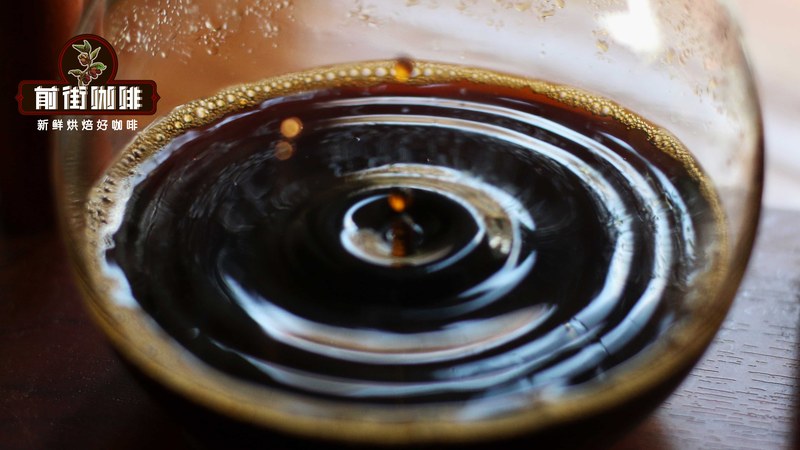
If your daily drink is mainly a latte, the traditional blend route often feels more comforting than a single-origin SOE. Milk wraps around acidity and amplifies sweetness. The South American beans in the blend provide a solid backbone of rich cocoa and roasted nuts, while the Ethiopian beans weave threads of white floral and berry sweetness through the dense milk foam. After the two blend together, the sweetness is full, and the whole cup remains comfortable and warm.
If on a leisurely afternoon you want to experience purer, more delicate floral notes and tea-like character, Qianjie Panama Hacienda La Esmeralda Red Label Geisha is a single-origin representative worth savoring slowly. It has elegant jasmine, bergamot, and black tea notes, with a clear and pure texture. Use 15g of coffee with 92°C water at a 1:15 ratio, bloom for 30 seconds, then steadily pour in two stages up to 225ml, with a total time of 1 minute 55 seconds; the sweet aftertaste is long and serene.
Once you understand your own drinking style and taste needs, choosing beans becomes simple and easy. If you are in a morning rush and need a reliable, aromatic, rich latte, a balanced blend is worry-free and comforting; if in your free time you long to explore the natural floral and fruity aromas in coffee, choose a bag of single-origin beans and savor it carefully with pour-over, and the captivating charm of the origin's terroir will flow quietly in that cup.
Related Reading






Comments (0)
Loading comments...
You May Be Interested




Trending Reviews
Popular Videos

With you, wherever you are! We provide useful features to help you find new things you'll love






