Source:Best Coffee > News Author:qjroot Published:2024-08-16 18:39:03
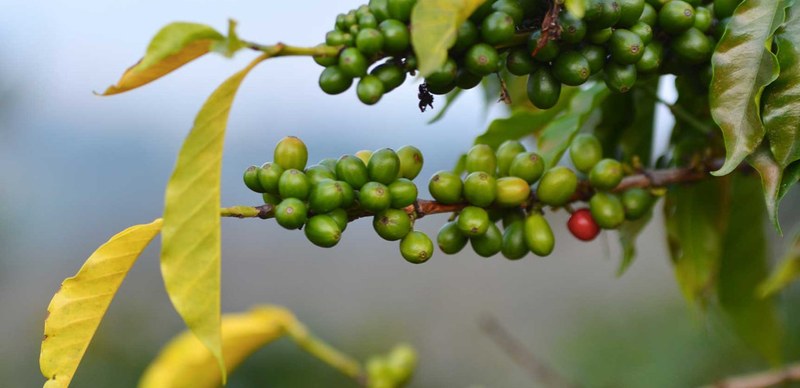
South America is rich in natural resources, with the world's longest mountain range in the west - the Andes, one of the world's highest mountain systems - and numerous volcanoes, as well as abundant water and forest resources. South America is predominantly tropical, with most areas experiencing tropical rainforest and tropical savanna climates, warm and humid, and with fertile soil provided by volcanic ash; these conditions are highly suitable for coffee cultivation, so South America is home to many major coffee-producing countries, such as Brazil, Colombia and Ecuador.
In South America, there are major coffee-producing countries such as Brazil and Colombia, while Ecuador, although its output is not high, is internationally recognised for its coffee's unique growing conditions.Coffee was introduced to Ecuador in the 19th century, but at that time the cocoa industry was Ecuador's main industry, so coffee cultivation did not receive much attention. It was not until the 20th century, when cocoa plants were affected by cocoa swollen shoot disease and black pod disease, severely damaging the cocoa industry, that farmers began to turn to coffee cultivation, and later coffee gradually became one of Ecuador's main industries.
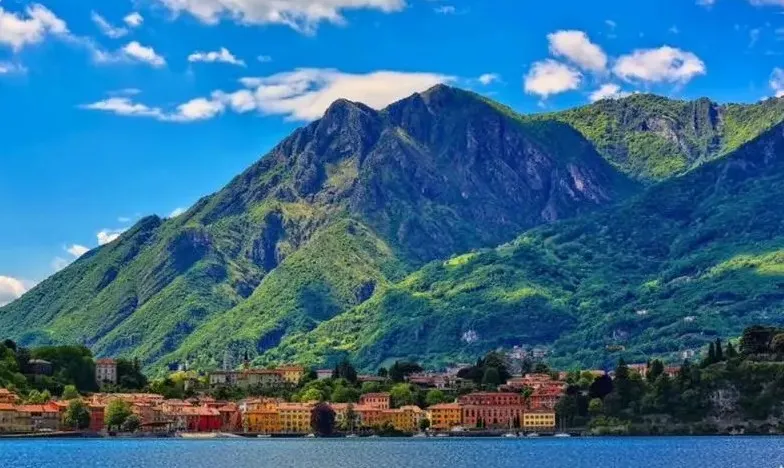
However, the good times did not last. In the 1990s, a coffee price crisis emerged, causing Ecuador's coffee output to fall sharply, and the Ecuadorian government turned to developing the oil industry, so the development of Ecuador's coffee industry was slower than that of other South American countries. Only in recent years has Ecuador's coffee industry begun to recover and develop.
"Ecuador" means "equator" in Spanish, and Ecuador is also known as the "country of the equator". The country has an environment highly suitable for coffee cultivation. Ecuador is located in the northwest of South America, bordered by Colombia and Peru, and is a country with both sea and land. The equator runs across its northern part, and the Andes run through it from north to south. The country can be divided into three parts: the western coastal region, the central highlands and the eastern region.
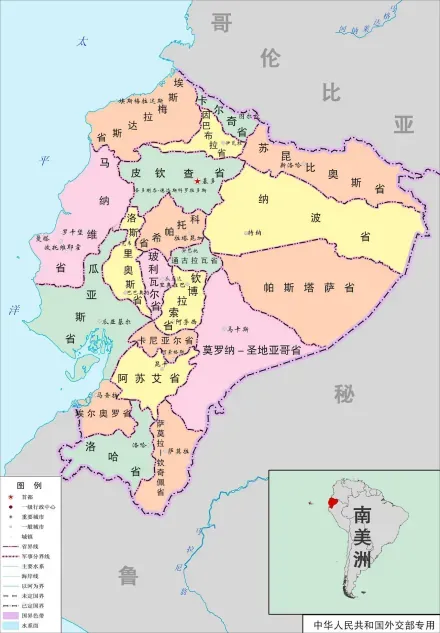
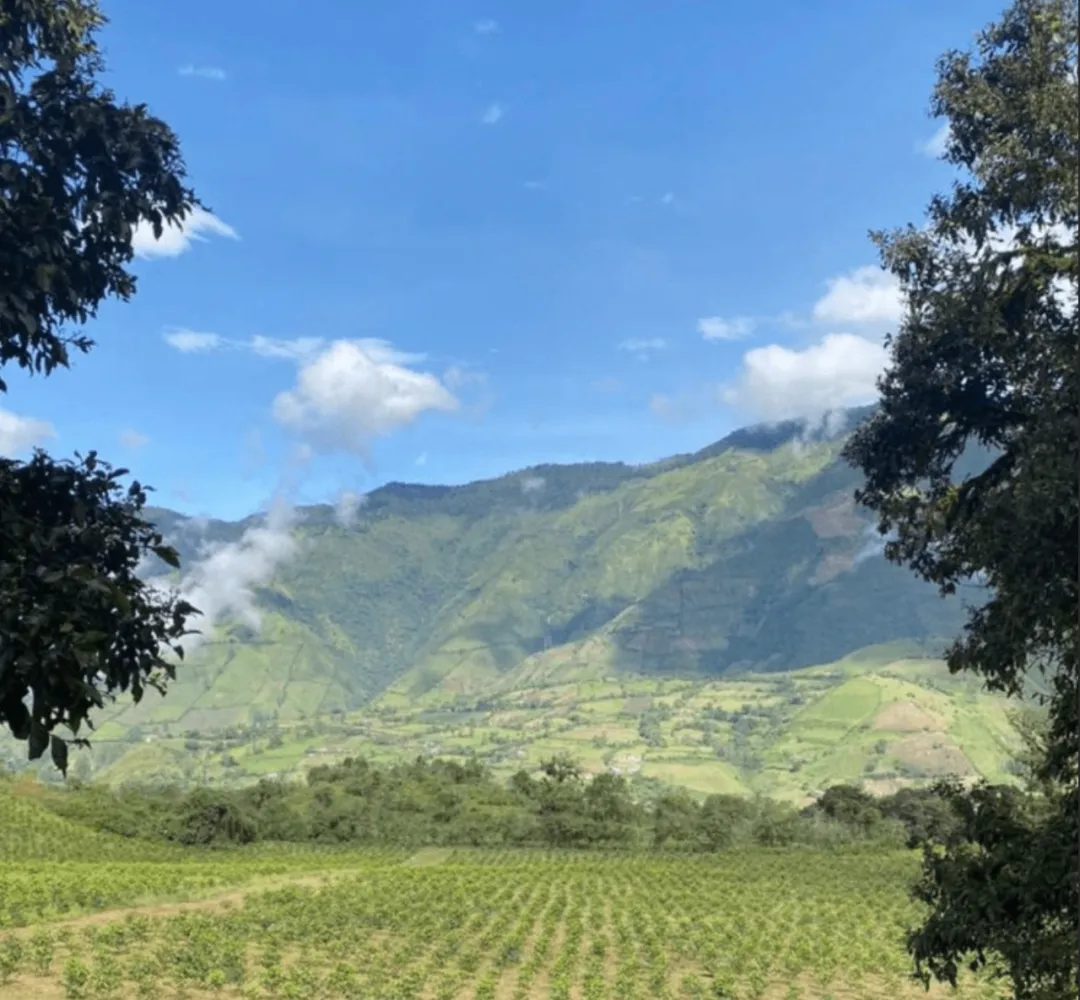
Specialty coffee regions are mainly concentrated in the central highland area, primarily the Andes, divided into the eastern and western Cordilleras, with a plateau between the two ranges that is high in the north and low in the south, at an average altitude of between 2500 m and 3000 m. There are also many volcanoes, including the famous Cotopaxi, one of the world's highest active volcanoes. This area has mainly a tropical savanna climate and a subtropical forest climate, with permanent snow above 4000 m. Its diverse climate, abundant rainfall, volcanic soil and snowmelt water make this region a major coffee-producing area.
Coffee regions are roughly divided into two major highland areas, north and south. The northern region mainly includes Carchi, Imbabura and Pichincha, while the southern region mainly includes Loja, Azuay and Chimborazo.
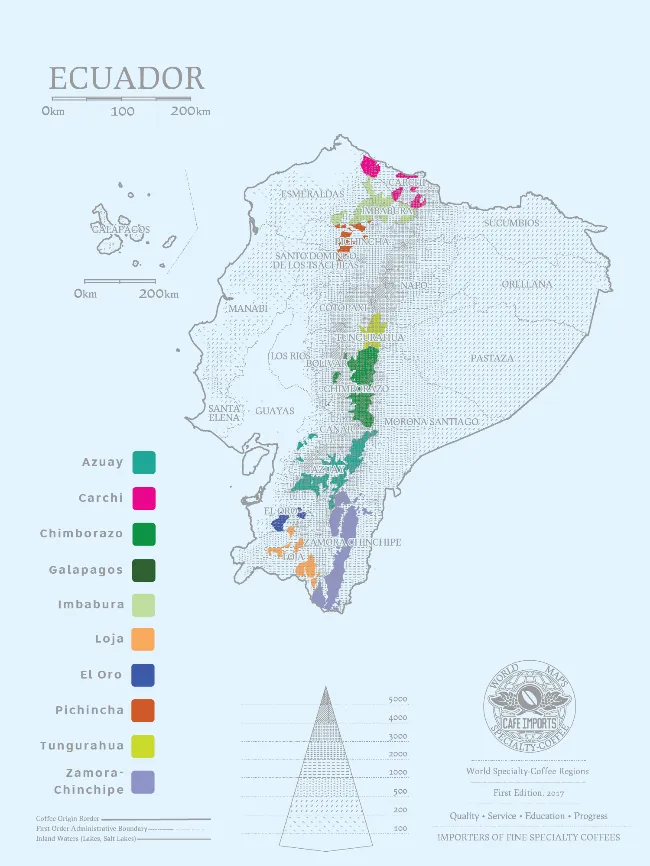
Ecuador's best-known regions at present are Pichincha and Loja, but in recent years Chimborazo has begun to emerge.
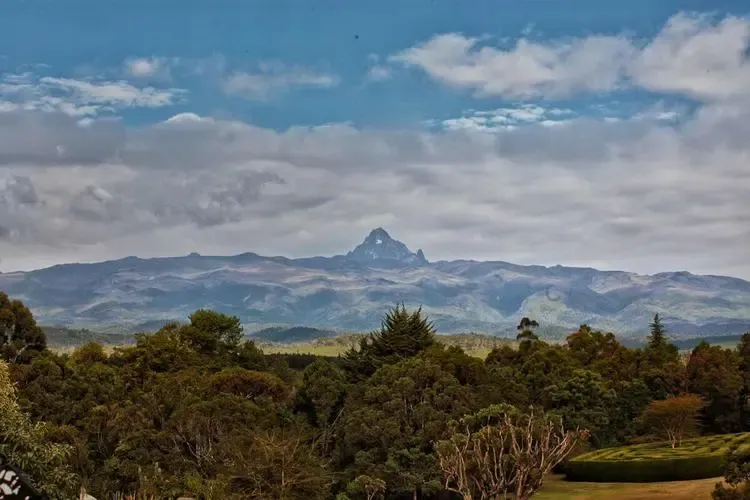
Chimborazo is located in central Ecuador, 150 km south-southwest of the capital Quito, and its name comes from a conical extinct volcano in the province, Chimborazo. Chimborazo is Ecuador's highest peak, with an altitude of 6272 m. The mountain is a dormant volcano with many craters and glaciers at the summit. As a result, agriculture and animal husbandry are developed here, and coffee is mainly grown at 1650-2000 m, with fertile soil provided by the volcano, plus pure glacier water combined with abundant sunshine all day, providing a high-quality ecological environment for coffee growth.
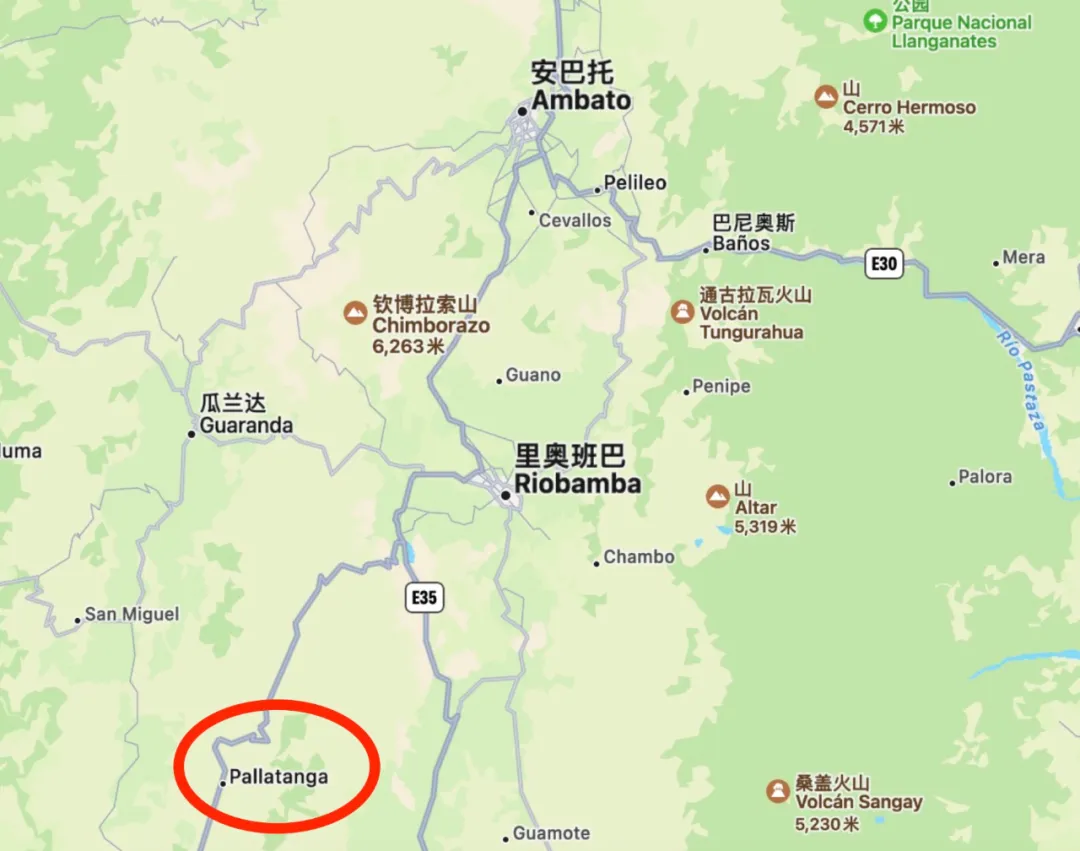
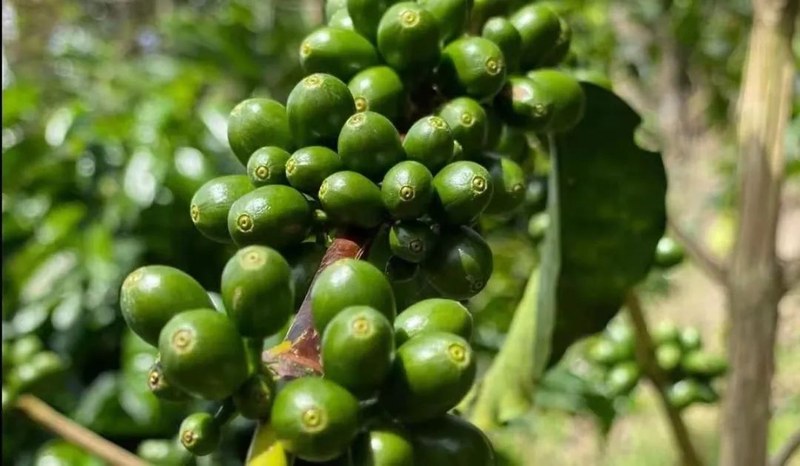
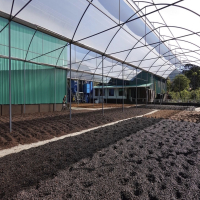
In the Chimborazo province growing region, the most well-known estate is Hacienda Lugmapata, a business run by Merino Davalos and his family, located in Pallatanga, Chimborazo, Ecuador. Coffee planting only began in 2012, and currently about 50,000 coffee trees are grown, including several coffee varieties such as Bourbon, Sidra, Typica Mejorado and Pache.
In 2022 the estate won the 2022 Ecuador Cup of Excellence COE championship. Besides growing coffee, in order to improve the lives of the people living in Pallatanga and its surrounding areas and teach them how to produce high-quality coffee, the estate also purchases coffee grown by nearby smallholder farmers, processes it in a centralized way and sells it.
Related Reading



Comments (0)
Loading comments...
You May Be Interested

Trending Reviews
Popular Videos

With you, wherever you are! We provide useful features to help you find new things you'll love






