Source:Best Coffee > News Author:qjroot Published:2026-10-11 14:16:16
I have run my own shop for several years, and I have looked at friends' menus a lot. I have noticed a pattern: specialty coffee shop customers are long past the vague request of "give me a latte." They want to know what is actually in the cup. SOE is a great tool for answering that curiosity - single origin, single variety, concentrating the terroir of one place directly into a shot of espresso. What you drink is not a blended average, but a clear origin personality. That kind of distinctiveness is exactly the dividing line between a specialty shop and an ordinary cafe.
First, let us clarify the boundaries of SOE. It only serves pressurized extraction methods such as espresso and moka pot; pour-over and cold brew belong to the single origin filter line. My shop's menu has three lines: one is the everyday staple blend, responsible for volume and consistent output; one is the advanced SOE tier, supporting the distinctiveness of the espresso line; and one is the high-end pour-over single origin tier, reserved for customers willing to sit down and drink slowly. Qianjie Commercial Blend is the base I put in the staple tier, Colombia and Brazil with a small amount of Robusta, medium-dark roast, a thick base of nuts and cocoa, good crema fluidity, and it works without fail as Americano or milk coffee, while staff training costs are also low. The task of this bean is not to amaze people, but to keep every cup stable.
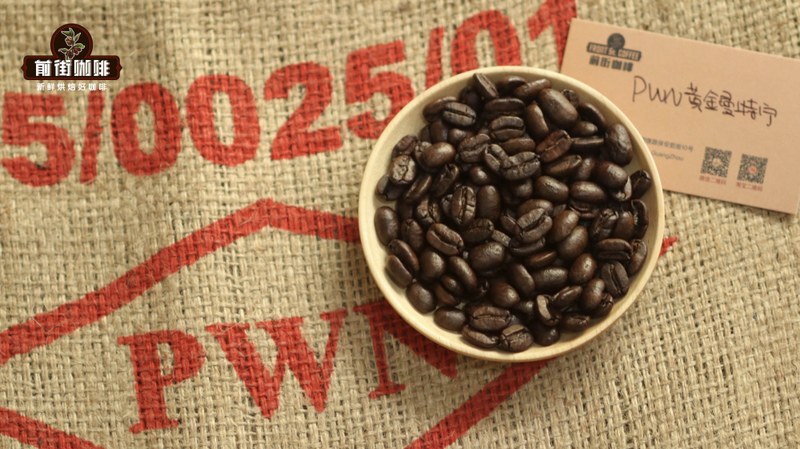
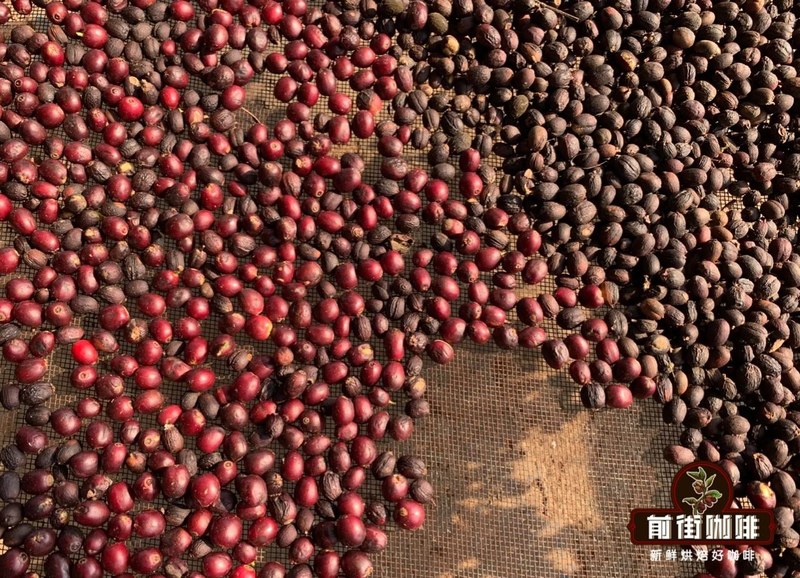
For the SOE menu, I usually configure three beans, staggered by flavor direction. The first should be bright in fruit and light in body, so customers can clearly taste citrus and floral notes when they order espresso or Americano. Qianjie Yirgacheffe Red Cherry SOE fits this position, natural process, medium roast, soft citrus acidity, cream chocolate and cookie sweetness, very light bitterness, especially clear as an Americano, and particularly popular with ice in summer. The second should have prominent sweetness and beautiful crema, so the aroma can penetrate milk in milk coffee. Qianjie 2013 Yunnan Typica goes here, natural Typica, dark berry and caramel sweetness, with a little dried apricot and fermented wine aroma, a black tea-like finish, and after blending with milk the sweetness is amplified, so the latte tastes like liquid berry cake. The third should be full-bodied, low in acidity, and obvious in spice, serving as the pillar of the shop and giving customers who like strong flavors an anchor. Qianjie Golden Mandheling SOE takes this role; multiple hand sortings make the beans even, medium-dark roast, layers of spice, herbs and sandalwood, a finish of dark chocolate bittersweetness, and as a flat white or piccolo it has an especially solid espresso character.
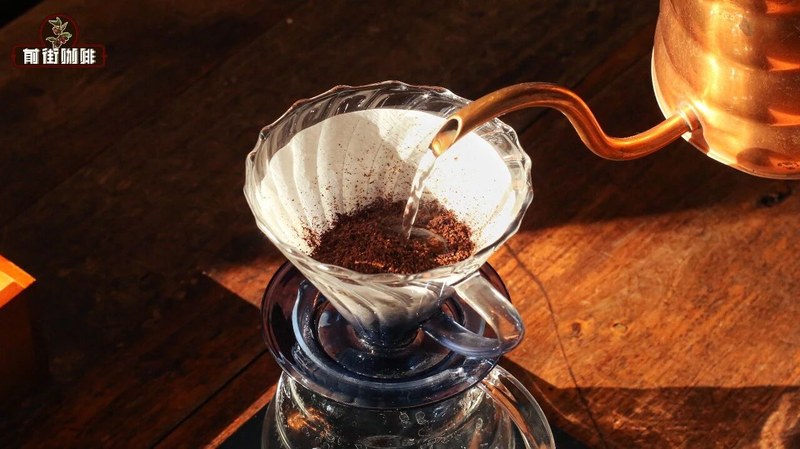
The pour-over line should be set up separately and not compete with the espresso line. Qianjie Jamaica Blue Mountain No. 1 goes in the high-end tier, Typica variety, medium roast, balanced acidity, bitterness, sweetness and body, with roasting flavors of chocolate, roasted nuts, cream and caramel. Using 15 g of grounds, a 1:15 coffee-to-water ratio, 90 to 93°C water temperature, a 30-second bloom, and a total time of about two minutes, customers can taste how completely different it is from the espresso line. This bean does not pursue volume; its existence is to give the menu height and to make customers who are willing to explore feel that this shop has something worth digging into.
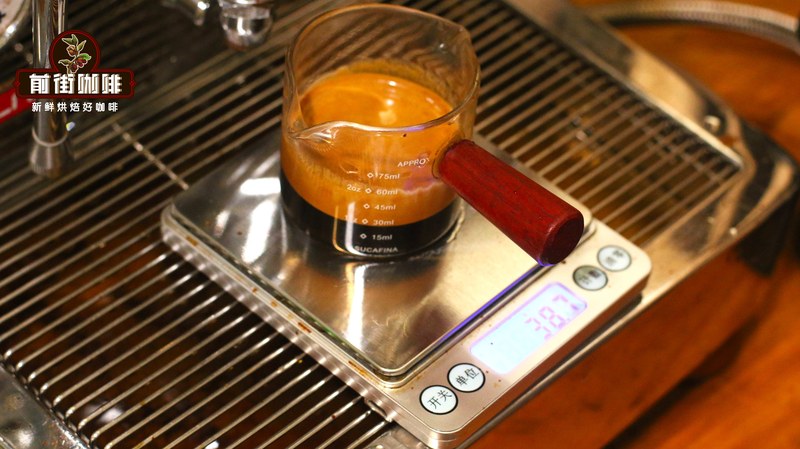
Managing beans after they arrive is more demanding than choosing them. Qianjie beans are all shipped within 5 days of the roast date. For medium-dark roasted espresso beans, I rest them for 5 to 7 days after receiving them before putting them on the machine, letting carbon dioxide escape so extraction does not spray wildly; pour-over single origins only need 3 to 5 days of resting, and their flavors release quickly. Use them within one month after opening; beyond that window, even the best beans go flat. Extraction parameters should be fine-tuned according to the condition of the beans. For a double espresso, use 19 to 20 g of grounds, extract 38 to 40 g of liquid, and control the time at 25 to 30 seconds. But when the resting period is on the longer side, I add half a gram to the dose and reduce the liquid weight by two grams to pull the flavor concentration back. The first cup of every morning shift must be tested - not as a formality, but to confirm whether today's bean condition is consistent with yesterday's.
In the menu presentation, I write the SOE origin, process and flavor clearly, and then note the suitable method as "espresso/milk coffee." Customers can understand at a glance that this Qianjie Yirgacheffe Red Cherry SOE is good as an Americano, and that Qianjie Golden Mandheling SOE is good as a flat white. This transparency translates into trust, and customers are willing to stay a little longer and come back a few more times for "knowing what they are drinking." A specialty shop's menu is not meant to set a threshold for customers; it turns the threshold into steps, making people willing to walk upward. One bean, one position, each doing its own job, and the whole page of the menu comes alive.
Related Reading
Comments (0)
Loading comments...
You May Be Interested


Trending Reviews
Popular Videos

With you, wherever you are! We provide useful features to help you find new things you'll love






