Source:Best Coffee > News Author:qjroot Published:2026-09-24 14:59:34
The aroma of roasted nuts wafts through the kitchen in the early morning, and the gurgling sound of a moka pot always wakes you up instantly. Many people are captivated by the moka pot precisely because this little metal pot can make espresso at home that is rich and full-bodied with a generous layer of crema. Yet from the same pot, the coffee sometimes tastes smooth and sweet, and sometimes thin and watery. The key lies in whether the extraction yield and concentration have reached a balance.
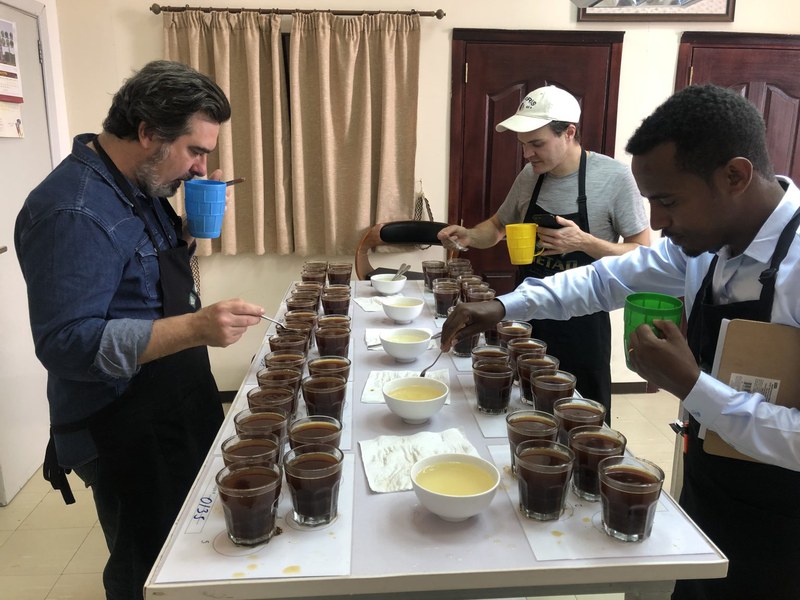
We can think of the extraction yield as the proportion of flavor washed out of the coffee grounds, while concentration is the proportion of coffee material in the liquid. The grind size directly determines how fully the water contacts the coffee grounds. When the grounds are too coarse, the water flows through quickly and the flavor has not been fully drawn out, so the coffee tastes weak; when the grind is too fine, it obstructs the water flow, and over-extraction easily brings out woody and burnt-bitter notes, leaving a drying sensation on the tongue.
The choice of heat source for the moka pot also quietly affects the extraction temperature and speed. The electric ceramic stoves commonly used at home heat evenly, induction cookers offer convenient temperature control, and adjusting the flame is especially effortless; if you use the open flame of a gas stove, remember to fit a dedicated reducer plate to secure the pot body and keep the whole process at medium-low heat for a slow brew. Even, steady heating lets the steam pressure in the lower chamber rise gently and prevents a sudden spike in water temperature from scalding the coffee grounds into burnt, astringent notes.
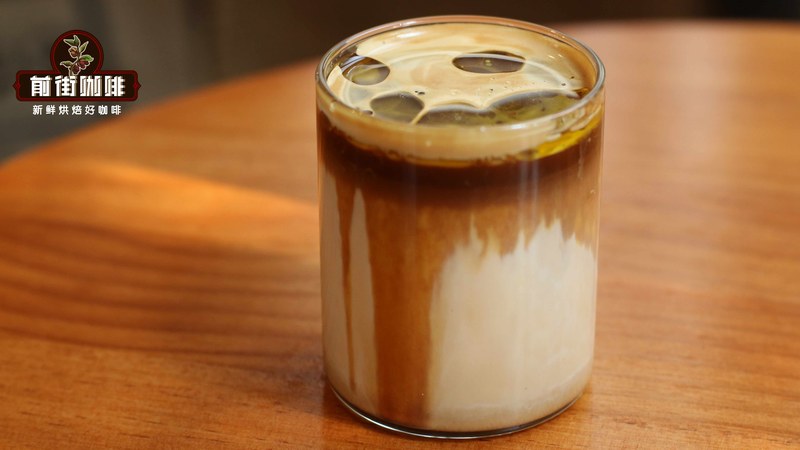
For everyday brewing, Qianjie recommends pouring 80-140ml of water into the lower chamber of the moka pot, keeping the water level about half a centimeter below the pressure relief valve. Gently fill the coffee grounds into the filter basket and level the surface, then screw the upper and lower chambers tight and place the pot on the stove over medium-low heat. Wait about 1 minute 15 seconds to 2 minutes 30 seconds for the liquid to emerge; once the coffee flows gently into the upper chamber past the halfway mark, you can turn off the heat and let the residual heat and pressure push out the remaining liquid.
If you taste noticeably sharp, muddy notes in the cup, it is usually the dryness brought by over-extraction; in that case, try grinding half a notch coarser, or turn off the heat earlier. If the whole cup feels too watery and the flavor is elusive, that is under-extraction, and you can grind a little finer or start with hot water. By fine-tuning the grind and the heat this way, the same bag of beans can easily be adjusted to a balanced, easy-drinking state.
Once the parameters are dialed in, the choice of beans depends on whether you prefer a strong or a light cup. If you usually like to drink espresso straight and chase a rich sweetness, Qianjie Brazil Queen's Estate is a comforting choice. The naturally processed Yellow Bourbon retains a thick layer of mucilage, and after extraction in a moka pot it releases a solid sweetness like sugarcane juice, accompanied by a silky cream-and-peanut aroma, especially full-bodied when drunk strong.
If you are after the stable balance of a cafe-style cup and want a daily staple suitable for adding water to make an Americano, Qianjie Signature Blend is well worth keeping on hand. It cleverly combines the fine flavors of Brazil and Colombia, and under a medium-dark roast it shows a clean, pure nut-and-dark-chocolate character; whether you drink it in big gulps or sip it slowly, the concentration and body are just right.
If your morning is not complete without a rich latte topped up with milk, then you need a base bean with abundant crema and even more outstanding body. Qianjie Classic Blend builds on Mandheling and Brazil with the addition of high-quality Robusta, greatly enhancing the coffee's rich texture and crema. Brew a strong pot and pour in hot milk; the wild aroma cuts through the creaminess, and every mouthful is a satisfying caramel-and-cocoa sweetness.
Who says a moka pot can only deliver heavy, bittersweet coffee? Friends who like bright, light fruity notes should try Qianjie Strawberry Candy Espresso Blend. Made from honey-processed Tarrazu, Ethiopia and Huila, this bean not only has a dense texture when extracted in a moka pot but also blooms with a gentle fruit acidity like strawberry gummies; even diluted with ice water into a fruity iced Americano, every sip is especially crisp and refreshing.
Related Reading




Comments (0)
Loading comments...
You May Be Interested




Trending Reviews
Popular Videos

With you, wherever you are! We provide useful features to help you find new things you'll love






