Source:Best Coffee > News Author:qjroot Published:2024-11-24 10:01:00
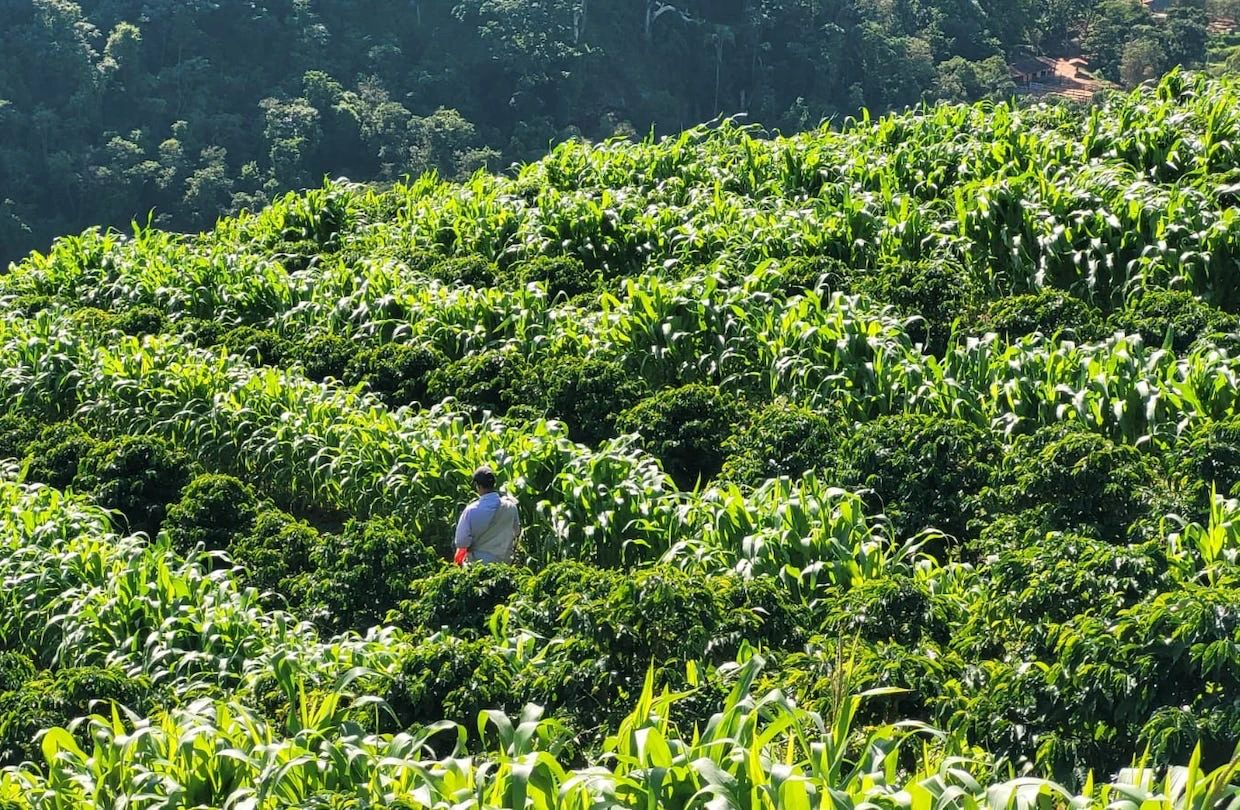
Brazil is the world's largest coffee-producing country. Its unique geography and climate conditions allowed its coffee-growing industry to rise rapidly. In the 19th century, coffee cultivation had spread across the entire country, and even now Brazil's coffee output still accounts for one third of the global total, earning it the title of "Coffee Kingdom".
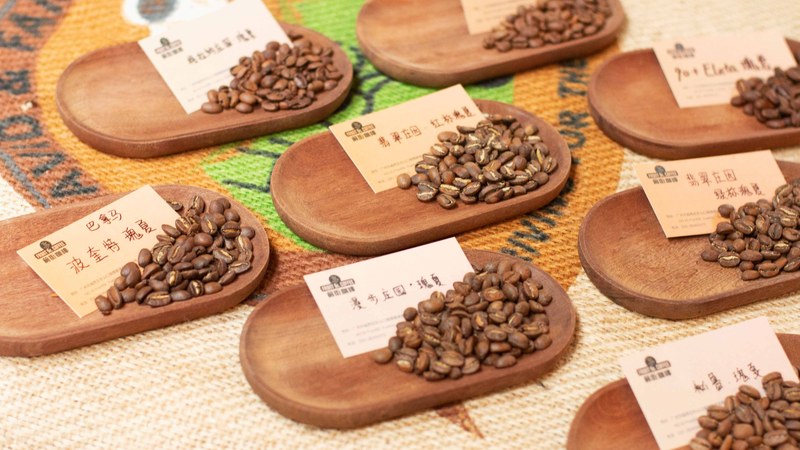
Brazilian coffee has long been loved for its full body, low acidity and nutty, cocoa aromas, with a relatively balanced overall flavor. Combined with its high value for money, Brazilian coffee often appears in espresso blends. In addition, FrontStreet Coffee currently offers the entry-level Brazil Cerrado coffee beans and the single-origin Brazil Queen's Estate coffee beans, both using Brazil's original Pulped Natural processing method.
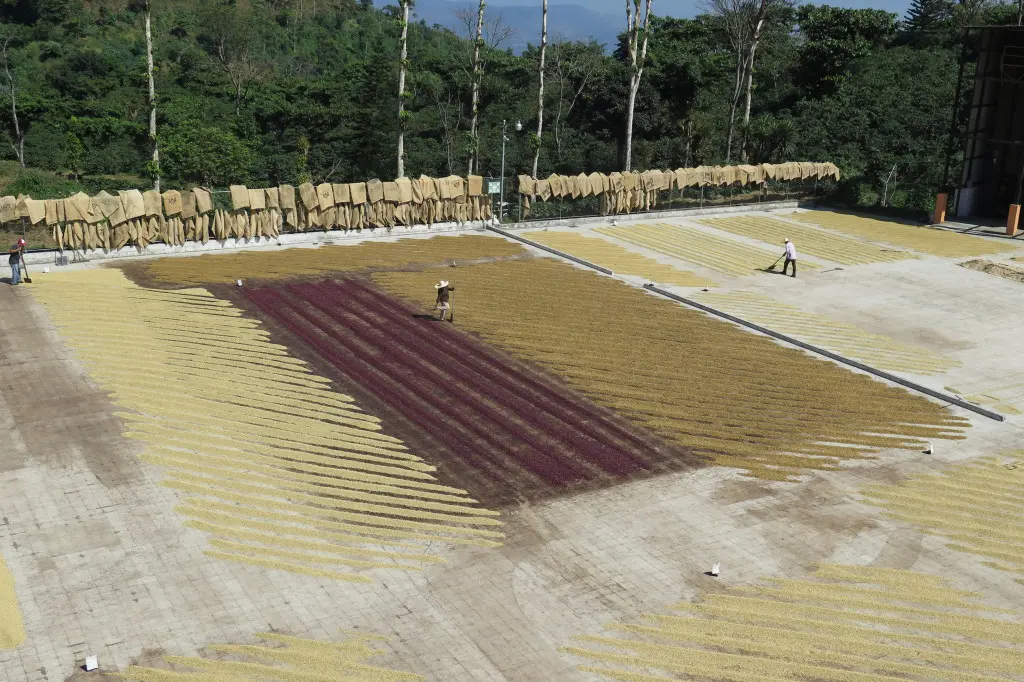
What is Brazilian Pulped Natural?
Pulped natural, also called pulped sun-dried, is a green bean processing method between washed and natural. The first half of the pulped natural process is similar to washed: the harvested coffee cherries are simply cleaned and floated, then the skin and pulp are removed by machine, but there is no subsequent tank fermentation stage as in washed processing, and the beans are dried directly in the sun. Compared with traditional natural processing, it adds one extra step of removing the pulp and skin.
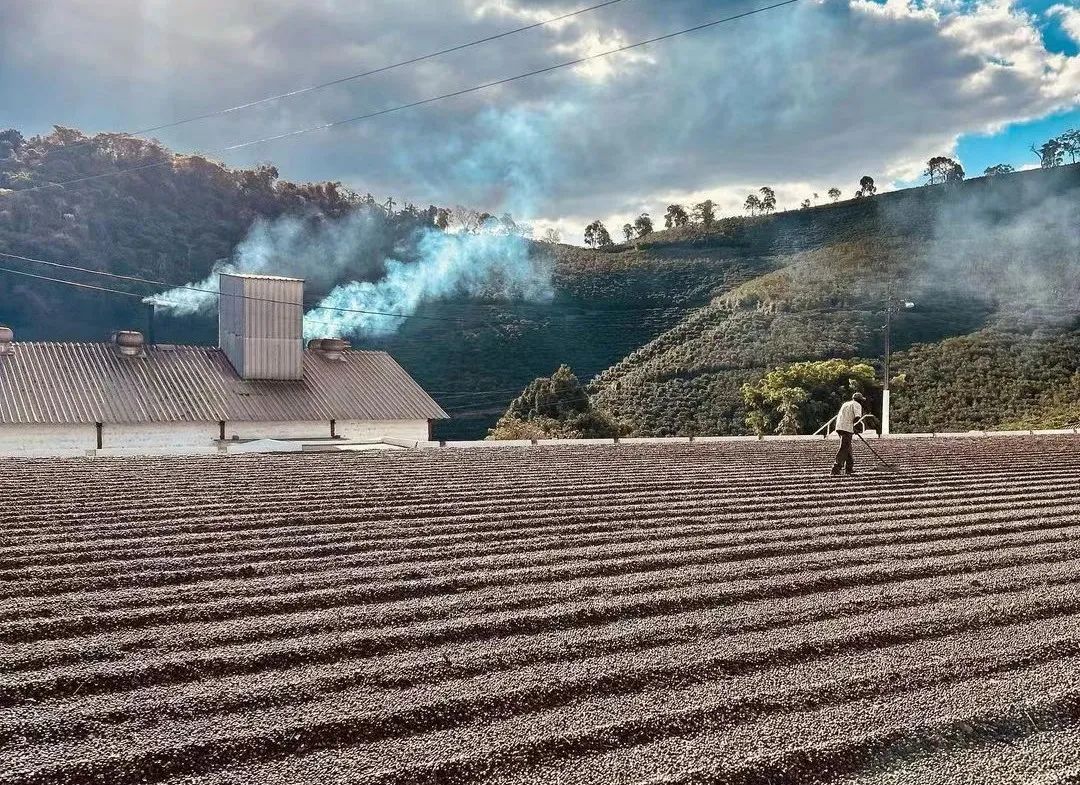
The biggest advantage of this method is that it reduces water use, allows more precise control of the sun-drying process, lowers the risk of over-fermentation, and removing the pulp and skin also shortens the sun-drying time, saving time and cost. Therefore, compared with the natural processing method Brazil most commonly used earlier, this method improves the cleanliness and ripeness of the coffee fruit and brings a more balanced and full-bodied mouthfeel. Of course, not all coffee regions in Brazil use this pulped natural method; some origins that do not pursue high efficiency still use traditional natural processing.
What are Brazil's specialty coffee regions?
Brazil is vast and richly endowed. Of its 26 states, 17 grow and produce coffee. The vast majority of Brazilian coffee is grown in the four states of Minas Gerais (MINAS GERAIS), Espirito Santo (ESPIRITO SANTO), Sao Paulo (SAO PAULO) and Parana (PARANA). Together, the four major regions account for more than 80% of Brazil's total coffee production, and both Arabica and Robusta coffee varieties are grown there.
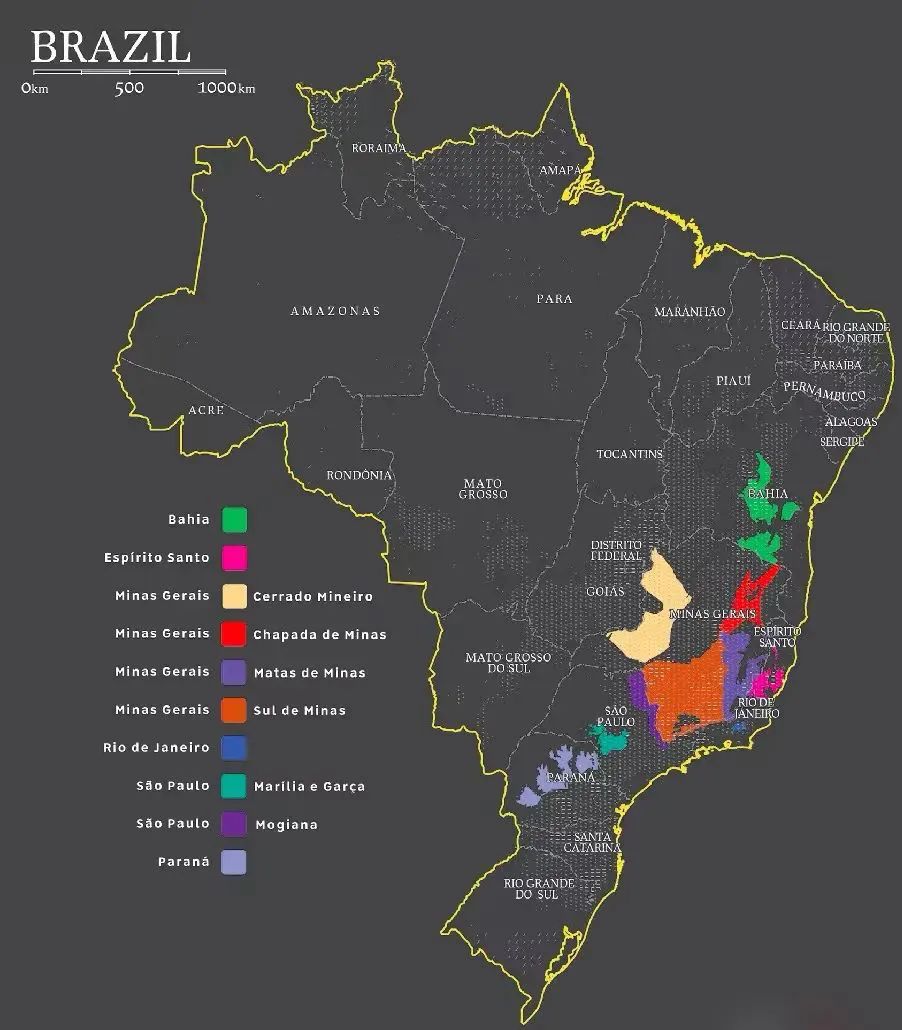
Best Coffee has learned that Brazil's specialty coffee is mainly concentrated in the state of Sao Paulo and Minas Gerais, with the state of Sao Paulo producing only Arabica beans, and the highest coffee-growing altitude in all of Brazil is in Sao Paulo's sub-region Mogiana, with an average altitude of 900-1100 m. This region, together with Minas Gerais' sub-regions Cerrado and Sul de Minas, forms Brazil's three most important coffee-producing regions.
Mogiana is located in the north of the state of Sao Paulo, adjacent to the Sul de Minas region. Its name comes from the famous Mogiana Railway here, Brazil's first railway, which greatly promoted the region's economic development and trade. The land here is rich in minerals, and the terrain is uneven and mostly mountainous, so unlike other low-altitude regions in Brazil that can use machinery for large-scale coffee harvesting, harvesting here is basically done by hand.
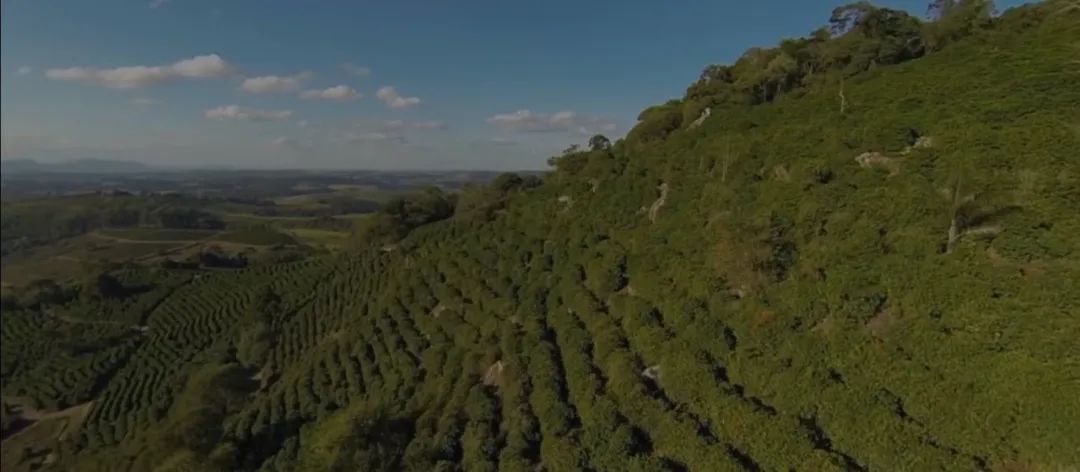
In this region, the better-known estate is Fazenda Rainha (also known as Queen Farm), which has a long history of coffee cultivation, grows mostly Yellow Bourbon (a Bourbon variety unique to the state of Sao Paulo in Brazil, whose ripe fruit is orange-yellow), and places great emphasis on environmental protection and coffee quality, so Fazenda Rainha frequently appears on Brazil's Cup of Excellence (COE) lists.
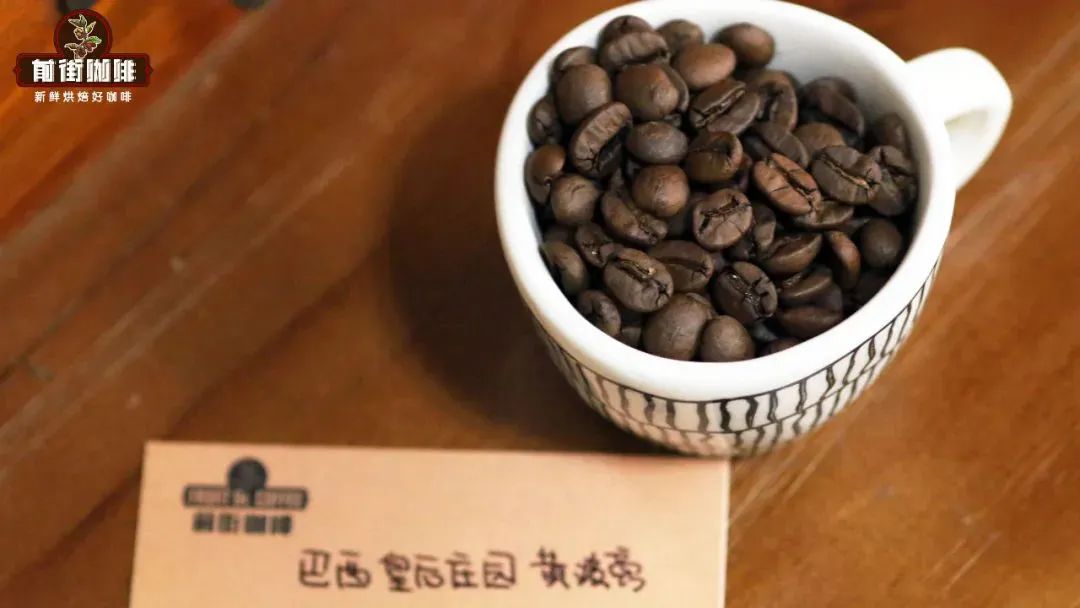
The Brazil Fazenda Rainha on the Best Coffee bean list is made from the Yellow Bourbon variety, also processed by the semi-washed method, with fruity sweetness on the palate, nutty flavors such as sugarcane, chocolate and peanut, a faint clean bitterness, and a smooth, delicate mouthfeel, making it a good choice for those who do not like acidity.
To learn more about coffee origins, please scan the QR code to follow: Kaping
Long-press the QR code to follow:

Related Reading

Comments (0)
Loading comments...
You May Be Interested

Trending Reviews
Popular Videos

With you, wherever you are! We provide useful features to help you find new things you'll love






